




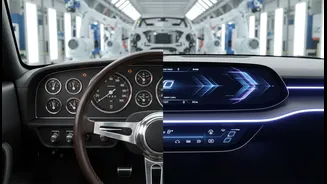




What is Actually Changing?
The government has released draft rules for the third phase of its Corporate Average Fuel Economy (CAFE) standards, set to take effect from April 2027. The biggest change is the strengthening of the 'fleet average' concept. Instead of every single car
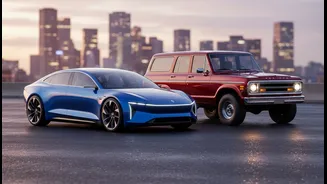
model needing to meet a specific emissions target, manufacturers will be judged on the average carbon dioxide emissions of all the cars they sell in a year. This means a company can sell some larger, less efficient SUVs, provided they also sell enough small, efficient hatchbacks or zero-emission electric vehicles (EVs) to bring their overall average down to the required level. The new CAFE-III norms will replace the current CAFE-II rules and will be implemented for a five-year period from fiscal year 2027-28 to 2031-32.
Why the Government is Making This Shift
The core idea behind the fleet-average system is to provide flexibility to automakers while still achieving national goals. India aims to reduce its reliance on imported crude oil, cut carbon emissions to meet its climate commitments, and encourage the adoption of cleaner vehicle technologies. Rather than dictating which specific technologies to use, the framework is technology-neutral. It allows manufacturers to choose their own path to compliance, whether through more efficient petrol engines, hybrids, EVs, or even vehicles powered by ethanol and compressed natural gas (CNG). This approach acknowledges that a one-size-fits-all rule can be difficult in a diverse market like India, where consumer needs range from small, affordable city cars to large family vehicles.
The Impact on Car Companies
For automakers, this change is a strategic game-changer. The new rules, particularly the stricter emission targets, will push them to invest more in fuel-efficient technologies. Companies with a diverse portfolio that includes EVs and hybrids will find it easier to meet the fleet average. For instance, the sale of one EV, which has zero tailpipe emissions, can help offset the sale of several higher-emission petrol or diesel cars. The draft norms introduce 'super credits' for clean vehicles, where an EV or a hydrogen-powered car counts for more than one vehicle in the calculation, further incentivising their production. Conversely, manufacturers heavily reliant on larger, fuel-intensive vehicles like SUVs may face a tougher challenge and could incur penalties if they fail to meet their targets.
A Big Push for Electric and Alternative Fuels
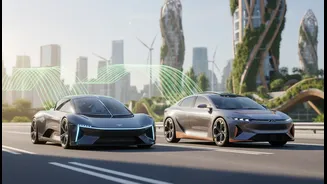
The CAFE-III framework is a clear signal of the government's intent to accelerate the transition to electric mobility. By giving significant weightage to EVs in the fleet calculation, the rules make it almost essential for manufacturers to have strong EV offerings. This is expected to increase the number of electric models available to consumers and make India's EV market more competitive. For the first time, the draft rules also propose 'Carbon Neutrality Factors' for fuels like ethanol and compressed biogas (CBG), officially recognizing their role in reducing emissions. This gives automakers another avenue for compliance and aligns the policy with India's broader push for biofuels.
What Does This Mean for You, the Car Buyer?
Ultimately, these new regulations will shape the cars available in showrooms. Buyers can expect to see a wider variety of fuel-efficient models, including more hybrids, EVs, and flex-fuel vehicles. In the short term, the cost of some cars might increase as manufacturers invest in new technologies to meet the stricter standards. However, these vehicles will also offer better mileage, leading to lower running costs and fuel savings over the life of the car. A recent report estimated that the new norms could lead to cumulative fuel cost savings of around Rs 38,000 crore for consumers between 2028 and 2032. The shift encourages innovation and will likely bring more advanced safety and efficiency features to the mass market.