




The Joy of a Simple Cutting
Why bother with cuttings? The answer is simple: more plants for free. Propagation allows you to multiply your favourite plants, share them with friends and family, and revive a plant that might be looking a bit leggy or sparse. Instead of buying a new
plant, you can simply clone the one you already love. This process works because many plants have the remarkable ability to regenerate an entire root system from a node on a stem or leaf. A node is a point on the stem where leaves, buds, and other stems originate. When placed in the right conditions, these nodes can produce new roots, effectively creating a brand-new, independent plant. It's a sustainable way to garden that connects you more deeply to the lifecycle of your plants.
Your Simple Propagation Toolkit
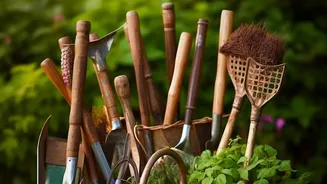
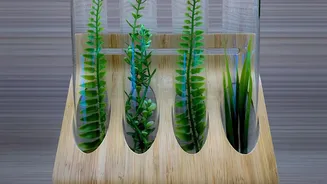
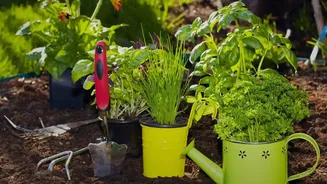
You don’t need a fancy laboratory to start propagating plants. In fact, you probably have everything you need at home already. Your basic toolkit should include a pair of clean, sharp scissors or pruning shears to ensure you make a clean cut without crushing the plant's stem. You will also need a vessel to hold your cuttings, such as a simple glass jar or bottle for water propagation. If you plan to root directly into soil, you'll need small pots with drainage holes and a well-draining potting mix. While not strictly necessary for many easy-to-grow plants, having some rooting hormone on hand can increase your success rate, especially with woodier cuttings like roses. This powder or gel encourages faster and more robust root development.
A Four-Step Guide to Success
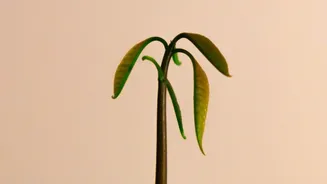
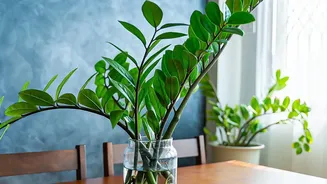
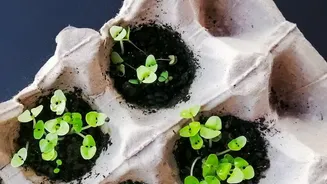
While specifics can vary slightly, a universal method works for most common houseplants. First, select a healthy, vigorous stem from the 'mother' plant. Look for new growth that is firm but not woody. Second, make your cut. Snip a 4-6 inch section just below a node. Third, prepare the cutting by carefully removing the leaves from the bottom half, leaving only two or three leaves at the top. This prevents the cutting from losing too much moisture through its leaves while it works on growing roots. Fourth, place the cutting in its new home. Submerge the bare nodes in a jar of water or plant them an inch or two deep in moist potting soil. Place it in a spot with bright, indirect sunlight and be patient. Roots can take anywhere from a few weeks to a couple of months to appear.
1. Money Plant (Pothos)
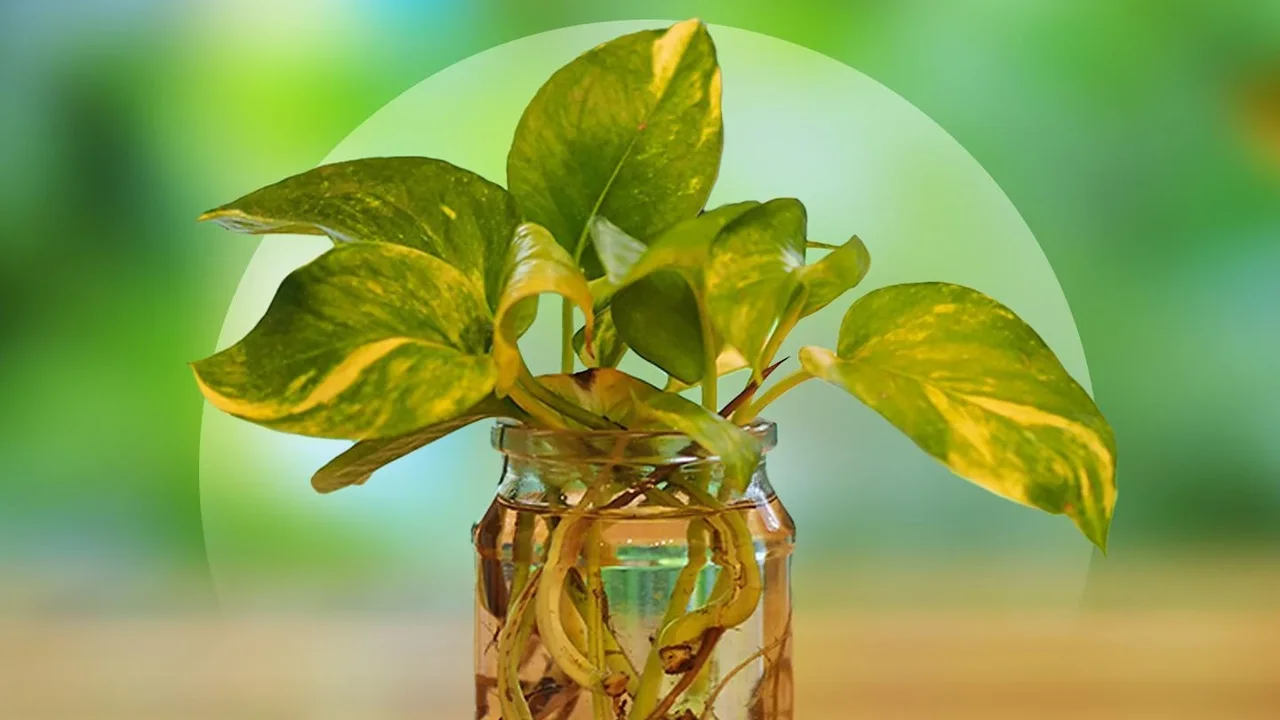
The Money Plant, or Pothos, is arguably the easiest plant to propagate, making it perfect for beginners. Its trailing vines are eager to root. Simply cut a piece of vine that includes at least two or three nodes. You can place this cutting in a jar of water and watch the roots sprout within a couple of weeks. Change the water weekly to keep it fresh. Once the roots are about two inches long, you can transfer the cutting to a pot with soil. For a fuller-looking plant, place several cuttings together in the same pot.
2. Snake Plant
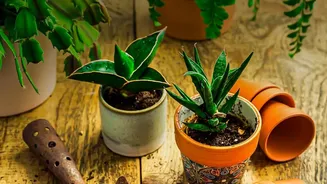
The resilient Snake Plant can be propagated from leaf cuttings. With a clean knife, you can cut a healthy leaf into several two-to-three-inch sections. To remember which end is the bottom, some gardeners cut a small 'V' shape into the bottom of each section. Let the cuttings dry for a day or two to form a callus, which helps prevent rot. Then, you can place them upright in a jar with an inch of water or stick them directly into moist soil. Roots will be slow to form, often taking a month or more, so patience is key.
3. Rose
Yes, you can grow your own beautiful roses from cuttings. The best time to take cuttings is from new growth that has recently flowered. Take a 6-8 inch cutting from a stem about the thickness of a pencil. Remove the lower leaves and the spent flower. Dip the bottom end in rooting hormone and plant it in a pot with moist soil, ensuring at least two nodes are buried. To create a humid environment that encourages rooting, you can cover the pot with a clear plastic bag or an overturned plastic bottle. Keep the soil moist, and you should feel resistance from new roots in about two months.
4. Hibiscus
For a splash of tropical colour, nothing beats the Hibiscus. This plant roots well from softwood cuttings taken in the spring or summer. Take a 4-6 inch cutting from a healthy branch, remove the lower leaves, and leave just a few at the top. You can root Hibiscus cuttings in a glass of water or in a pot of soil. If using soil, keeping the environment humid is helpful. Like with roses, a plastic cover can serve as a mini-greenhouse. New growth at the tip of the cutting is a great sign that roots are forming below.