


The National Push for E20 Fuel
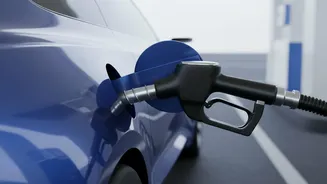
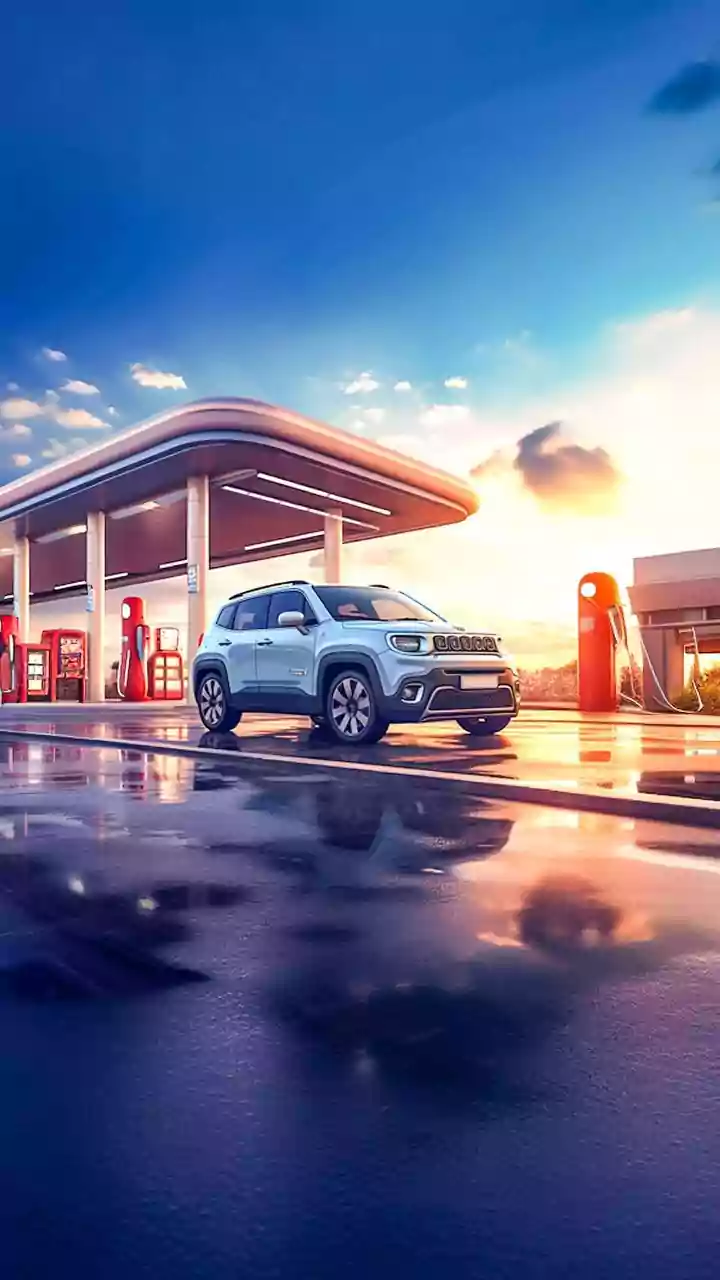
India's rapid transition to E20 petrol—a blend of 80% petrol and 20% ethanol—is a cornerstone of its national energy strategy. The government accelerated its timeline, achieving the E20 rollout five years ahead of its original 2030 target. The goals are
threefold: reduce the country's massive oil import bill, lower carbon emissions, and provide a stable, lucrative market for India's sugarcane and grain farmers who produce the ethanol. This shift, part of the Ethanol Blended Petrol (EBP) Programme that started in 2003, marks a significant step up from the previous E10 standard. However, the speed of this transition has left many consumers worried about the real-world impact on their vehicles.
The Compatibility Question
The core of the public's concern lies with vehicle compatibility. Ethanol is more corrosive than petrol and can absorb moisture from the air. This raises fears about its effect on older vehicles, specifically those not designed for high ethanol blends. Potential issues include the degradation of rubber and plastic components like fuel hoses, seals, and gaskets. While a study by the Automotive Research Association of India (ARAI) found E20 could cause deterioration in some rubber parts in older E10-compatible cars, it also noted no adverse impact on metallic components. Some motorists have anecdotally reported issues like stalling, fuel pump problems, and rough idling. The government has also acknowledged that older vehicles may see a minor drop in fuel efficiency, estimated at around 3-5%, due to ethanol's lower energy density.
The Government's Official Stance
In response to growing public anxiety, the government has been clear and consistent. In a statement to Parliament, Minister of State for Petroleum and Natural Gas Suresh Gopi asserted that there is no verified evidence of widespread engine failure or vehicle breakdowns attributable to E20 fuel. The government's position is that more than 23 crore vehicles, including a large number of older two-wheelers and cars not originally certified for E20, have been running on ethanol-blended fuels without proven systemic issues. Officials emphasize that the rollout was phased and based on extensive testing by bodies like ARAI and the Society of Indian Automobile Manufacturers (SIAM), which assessed everything from engine durability to material compatibility.
What Do Automakers Say?
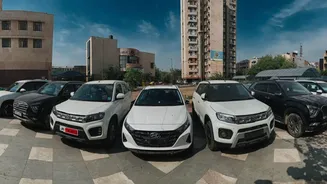
Leading automobile manufacturers have largely backed the government's stance, moving to reassure customers. All new petrol vehicles sold since April 2023 are required to be E20 compatible. Major players like Maruti Suzuki, Hyundai, Toyota, and Tata Motors have confirmed their modern vehicles are fully compliant. Some have gone further; Maruti Suzuki stated that after testing, it found no issues of concern even in its older, E10-certified cars running on E20. BMW India noted its cars have been ready for up to E25 blends for years, while Bajaj Auto said its motorcycles manufactured in the last decade are fully compatible with E20. These assurances, often delivered at joint press conferences with government officials, aim to counter the viral claims and build consumer confidence.
What Should Vehicle Owners Do?
For Indian drivers, the key is to be informed. The easiest way to confirm if your vehicle is E20 compatible is to check the owner's manual or a sticker on the fuel filler cap. For vehicles manufactured after April 2023, compatibility is mandated. Owners of older vehicles, especially those from before 2018, face a tougher situation. While the government and manufacturers report no widespread failures, the potential for long-term wear on certain parts remains a concern for some experts. For now, the government has stated there are no plans to reintroduce E10 or pure petrol nationwide, citing the logistical complexity of maintaining multiple fuel supply chains. This makes understanding your vehicle's specifications more important than ever.