




As winter approaches, all eyes turn to Nagaland for its most vibrant annual event. The Hornbill Festival is just weeks away, and preparations are in full swing for the ten-day cultural spectacle that brings the state's rich heritage to life.
The 'Festival of Festivals': A Cultural Mosaic
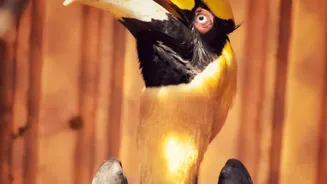
The Hornbill
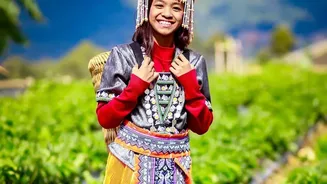
Festival, held every year from December 1 to 10, is a grand celebration of Nagaland's diverse tribal heritage. Started in 2000 by the state government, the event was conceived to foster inter-tribal interaction and preserve the unique traditions of the Naga people. Often called the 'Festival of Festivals', it consolidates the many individual tribal celebrations into one massive event at the Naga Heritage Village, Kisama, about 12 kilometres from Kohima. Named after the revered hornbill bird, a symbol of grandeur and respect in Naga folklore, the festival is a rare opportunity for visitors to witness the cultures of all 17 recognised tribes of Nagaland in one place.
What to Expect at Hornbill 2026
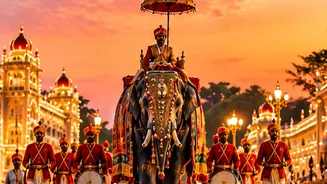
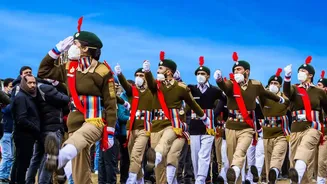
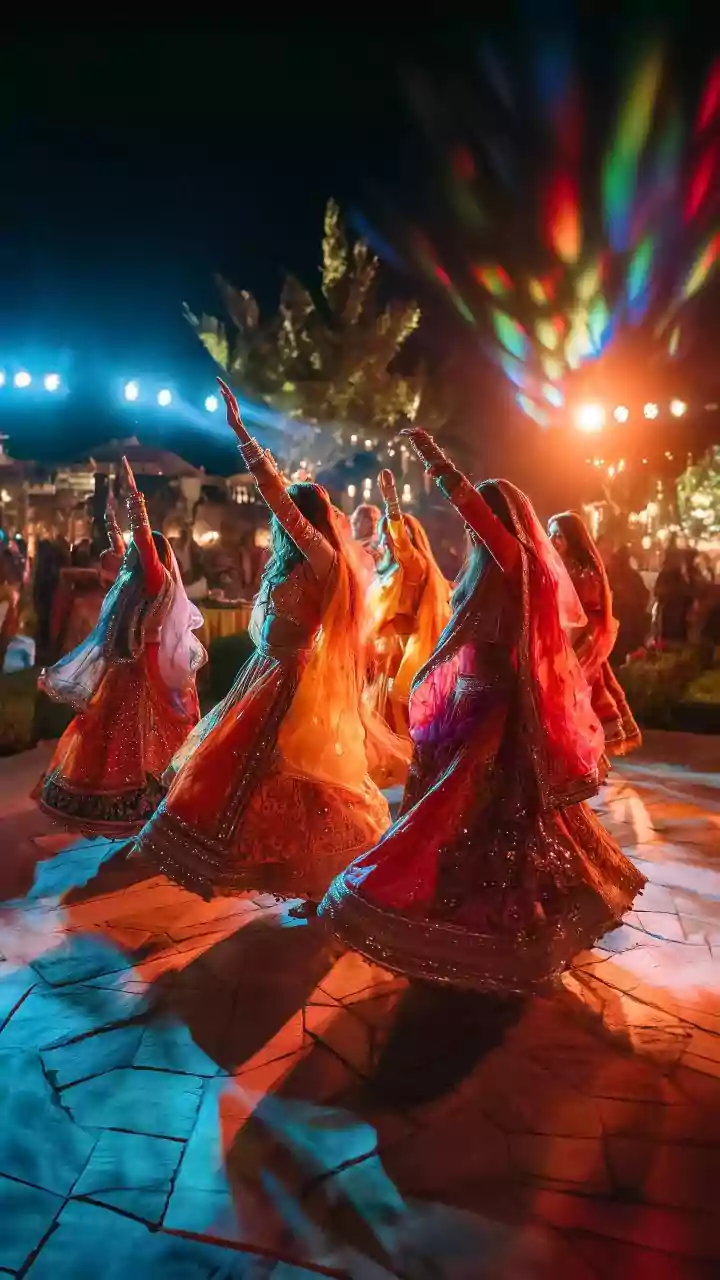
The 2026 edition promises a dazzling array of cultural showcases. The heart of the festival is the main arena, where troupes perform energetic war dances, soulful folk songs, and intricate rituals from morning until late afternoon. Beyond the main stage, the entire Kisama village becomes a living museum. Visitors can explore the morungs, or traditional youth dormitories, which are reconstructed for each tribe. Inside, elders share stories, artisans demonstrate their craft, and you can sample traditional rice beer. Expect a feast for the senses, with food stalls offering Naga delicacies like smoked pork and bamboo shoot preparations, alongside handicraft bazaars selling authentic shawls, beadwork, and wood carvings. This year, President Droupadi Murmu is expected to grace the opening day ceremony on December 1, which also marks Nagaland's Statehood Day.
Nagaland Tourism's Preparations
Ahead of the festival, Nagaland's Directorate of Tourism is coordinating extensively with tribal 'hohos' (apex tribal bodies) to ensure a smooth and successful event. In recent meetings, officials have focused on logistical arrangements, including the timely renovation of the tribal morungs, which are to be completed by mid-November. The department has also assured adequate water and power supply throughout the ten-day festivity and will continue its 'plastic-free zone' policy at Kisama. Nagaland's Tourism Minister, Temjen Imna Along, has mentioned that discussions are in the early stages for a potential public-private partnership (PPP) model for the Kisama Heritage Village to enhance its management, with thorough consultations planned with all stakeholders.
Beyond the Main Stage: Music and More
The Hornbill experience extends beyond the daytime cultural events. The Hornbill Music Festival is a major draw, featuring performances from local, national, and international rock bands. In Kohima town, a vibrant Night Carnival comes alive after sunset, with streets lined with food stalls and shops that stay open late into the evening. For the adventurous, there are indigenous games and sports competitions, including Naga wrestling, archery, and even chilli-eating contests that visitors are often invited to join.
Essential Travel and Planning Tips
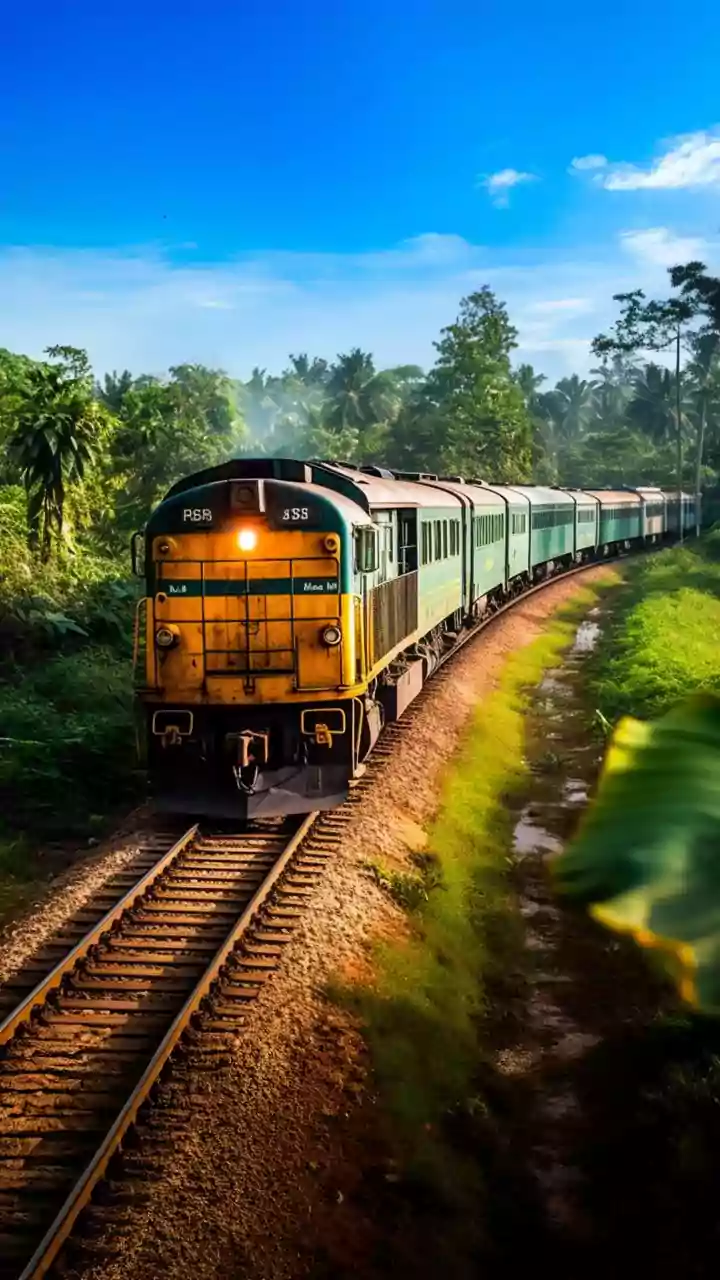
If you're planning a visit, booking accommodation well in advance is crucial, as hotels in Kohima and homestays near Kisama fill up quickly. The nearest airport and major railway station are in Dimapur, from where it's a 3-4 hour drive to Kohima. Indian tourists from outside Nagaland require an Inner Line Permit (ILP), which can be applied for online. Foreign nationals must check the latest Protected Area Permit (PAP) requirements. To fully experience the festival without feeling rushed, plan for at least two to three days at Kisama. Remember to carry warm clothing, as December nights in the hills of Nagaland can be quite cold.