


The Science of the Slurry
At its heart, a South Indian breakfast batter is a living ecosystem. A simple mix of ground rice and lentils, when fermented, becomes a powerhouse of flavour and texture. This process, driven by natural yeasts and bacteria, releases carbon dioxide, making
the batter light and airy. But the magic ingredient you control is water. The amount of water dictates the batter's viscosity, which in turn determines how it behaves on a hot surface. A thinner batter spreads wide and allows moisture to evaporate quickly, leading to crispness. A thicker batter holds its shape, trapping steam within its structure to create a soft, spongy texture. The grind itself also matters; a smoother grind is typical for dosa, while a slightly coarser texture can give idlis more body.
The Crisp Dosa: A Delicate Balance
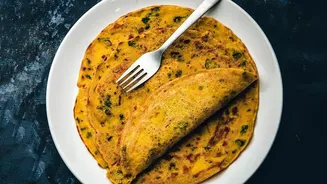
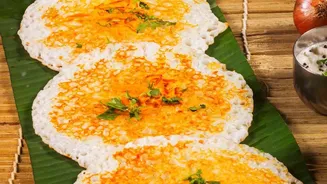
The goal for a classic dosa is that signature paper-thin, golden-brown crispness. To achieve this, your batter needs to be of a thin, pourable consistency, almost like heavy cream. When this thin batter hits a properly heated tawa (griddle), the water in it turns to steam with remarkable speed. This rapid evaporation is what creates the crispy, lacy structure. If the batter is too thick, it won't spread thin enough and will steam itself, resulting in a softer, more pancake-like texture. The technique is to pour a ladleful in the center and quickly spread it outwards in a spiral motion. This speed is crucial; it ensures the batter spreads evenly before it has a chance to cook and set in one spot. The type of rice used can also influence crispiness, with raw rice tending to produce a crispier result than parboiled rice.
The Fluffy Idli: Trapping the Steam
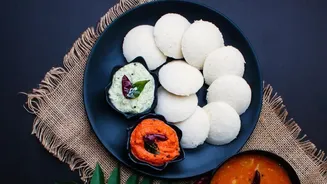
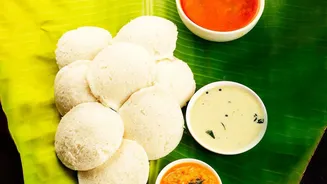
Unlike a dosa, an idli’s perfection is defined by its softness. It should be a spongy, pillowy steamed cake that readily soaks up sambar and chutney. This requires a completely different approach to batter consistency. Idli batter should be significantly thicker than dosa batter, closer to the consistency of a traditional cake batter. It should be thick enough to hold its shape when poured into the idli moulds. This thickness is vital because its job is to trap the air bubbles produced during fermentation and the steam generated during cooking. If the batter is too thin or runny, the idlis will come out flat and dense, as the structure won't be able to hold the steam. The fermentation makes the batter rise and become fluffy, which is essential for that characteristic soft and spongy texture.
The Uttapam: Happy in the Middle
The uttapam, often called an Indian pancake, occupies a delightful middle ground. It's neither as crisp as a dosa nor as spongy as an idli. It's soft and fluffy in the center with a satisfyingly crisp base. This texture is achieved with a batter that is thicker than dosa batter but often slightly thinner than what you'd use for idlis. Many kitchens use the same base batter for all three, adjusting the water content as needed. For uttapam, the batter is poured onto the tawa and spread only slightly, or not at all, maintaining its thickness. Toppings like onions and tomatoes are pressed into the surface, and it's cooked slower than a dosa, often covered, to ensure the thick center cooks through. This slower cooking and thicker consistency result in a tender, pancake-like bite.
Tips for Perfecting Your Batter
Mastering consistency is a hands-on skill. A good test for idli batter is that it should be of a thick, pouring consistency, falling in ribbons from a spoon. For dosa, it should flow more freely. If your batter is too thick for dosas, gently mix in a tablespoon of water at a time until it's right. If it becomes too thin for idlis, you can add a small amount of rice flour or fine semolina (rava) to thicken it. Remember to handle fermented batter gently; vigorous stirring can knock out the air bubbles you worked so hard to create, especially for idlis. And always make sure your pan temperature is correct—too hot and the dosa batter will stick and not spread; too cool and it will never get crispy.