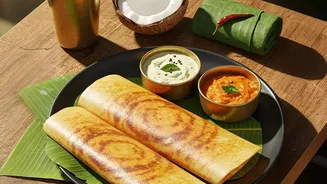




The humble dosa, a cornerstone of South Indian breakfast, gets a powerful upgrade with multigrain flour. Swapping traditional rice for a blend of nutrient-dense grains transforms this classic dish into a modern, health-forward meal.
Why Go Multigrain?
A standard rice-based
dosa is delicious, but it is primarily made of refined carbohydrates. A multigrain dosa, on the other hand, is a nutritional powerhouse. By incorporating millets like ragi (finger millet), jowar (sorghum), and bajra (pearl millet), you create a breakfast that is significantly richer in protein, dietary fibre, and essential minerals. Ragi is an excellent source of calcium, while jowar and bajra provide iron, magnesium, and antioxidants that support everything from bone health to metabolism. This blend of complex carbohydrates provides sustained energy, keeping you full and focused without the sharp blood sugar spikes associated with refined grains.
Crafting the Perfect Batter
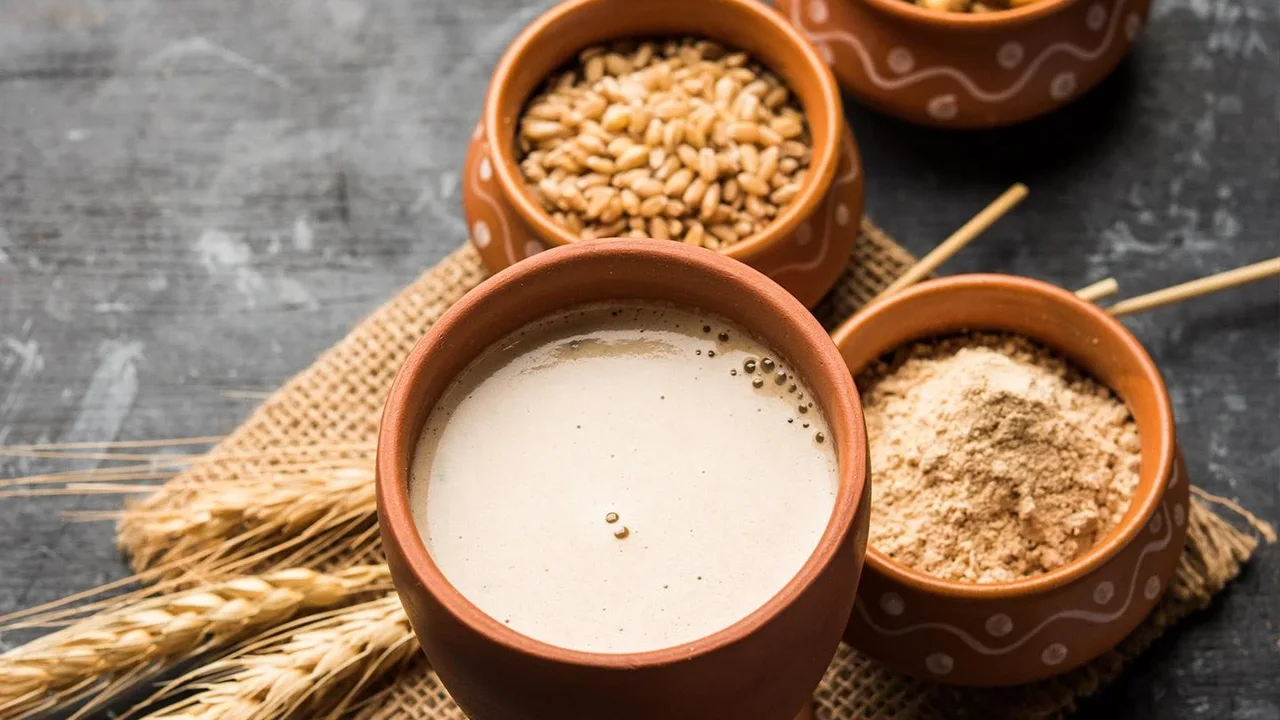
You have two main paths to a multigrain dosa: using a pre-made multigrain atta or creating your own blend from whole grains. While instant versions using store-bought flour are quick, soaking and grinding your own grains often yields a superior flavour and texture. A popular and effective combination involves equal parts ragi, jowar, and bajra, completely replacing the rice found in traditional recipes. To this, you add urad dal (split black gram) and a teaspoon of fenugreek (methi) seeds, which aid in fermentation and flavour. The key is to soak the millets and the dal separately for at least six to eight hours. After soaking, grind them into a smooth, thick paste, adding water as needed. For the best fermentation, which makes the dosa light and digestible, mix the batter with your hands and leave it in a warm place overnight.
Tips for a Flawless, Crispy Dosa
Achieving that perfect, crispy-yet-soft texture is an art. First, ensure your batter is well-fermented; it should have visibly risen and appear airy. Before cooking, add salt to your desired portion of batter, not to the entire batch, as salt can inhibit fermentation if added too early. The tawa (griddle) is your next critical tool. A well-seasoned cast-iron tawa is ideal for a crisp finish. Heat the tawa on high, then reduce the flame to low just before pouring the batter. Pour a ladleful of batter into the centre and quickly spread it outwards in concentric circles. Once spread, increase the heat to medium-high. Drizzle a little oil or ghee around the edges, and cook until the underside is golden brown and the edges begin to lift. There's no need to flip a thin dosa.
Creative and Nutritious Variations
Your multigrain dosa is a versatile canvas. To boost its nutritional value further, consider adding finely grated vegetables like carrots, beetroot, or spinach directly into the batter. For an extra protein kick, add a tablespoon of ground flaxseed or oats flour to your grain mix. The fillings also offer endless possibilities beyond the classic potato masala. Try a filling of crumbled paneer with spices, mixed sautéed vegetables, or even a simple spread of spicy chutney. These additions not only enhance the flavour but also contribute more vitamins and fibre to your meal, making it even more balanced and satisfying.