





The Details of the New Recall
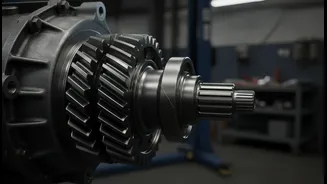
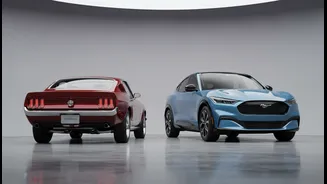
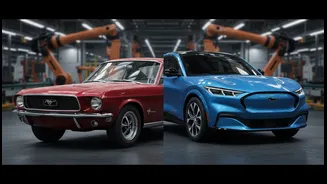
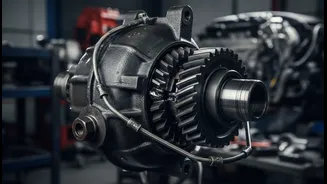
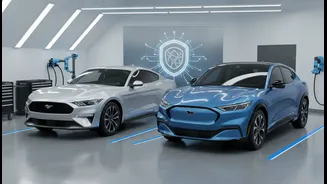
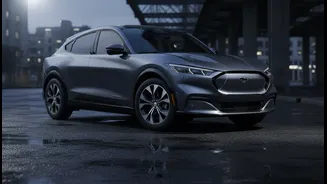
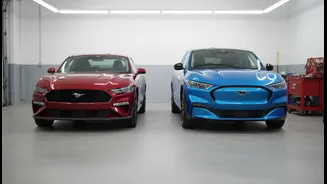
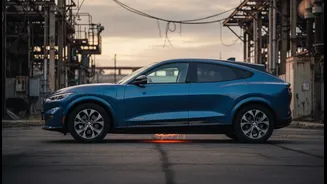
Ford has announced a recall for nearly 43,000 Mustang Mach-E electric SUVs from the 2021 to 2023 model years. The issue centers on a critical component in rear-wheel-drive models: the rear differential pinion shaft. According to documents filed with safety
regulators, this shaft can bend or fracture, which could lead to a sudden and complete loss of power while driving. The problem could also prevent the vehicle from being securely placed in 'Park', potentially leading to it rolling away if the parking brake isn't engaged.
A Question of Mechanical Durability
What makes this recall particularly noteworthy is its mechanical nature. Electric vehicles are often promoted as having simpler powertrains with fewer moving parts than traditional internal combustion engine (ICE) vehicles, suggesting they should be more reliable. However, this recall involves a fundamental drivetrain component responsible for transferring power to the wheels. The issue is not a software glitch that can be fixed with an over-the-air update, but a potential hardware failure that gets to the heart of the car's mechanical integrity. Ford has stated that the root cause is still under investigation, but it involves potential fatigue failure of the metal shaft.
What is Ford's Solution?
Ford plans to notify affected owners starting around mid-July 2026. However, a complete remedy won't be available until late December 2026, when dealers will have the necessary parts. The fix involves inspecting the rear differential and, if necessary, repairing or replacing the entire assembly with a unit that has a reinforced pinion shaft. All repairs will be done free of charge. In the meantime, owners will receive interim letters warning them of the safety risk. Ford has noted that it is not aware of any accidents or injuries related to this issue so far.
Broader Impact on EV Trust
While recalls are common across the auto industry for both EV and ICE vehicles, issues with EVs tend to attract greater scrutiny. This is especially true as a wider range of consumers, many of whom are not early adopters, begin to consider purchasing an electric car. A recent study noted that EV owners already experience recalls more than twice as often as owners of gasoline-powered cars, and satisfaction with how those recalls are handled is lower. An issue like a fracturing differential can amplify skepticism and feed a narrative that the new technology, while promising, may not yet be as robust and reliable as the familiar technology it aims to replace.
The Indian Context
For the Indian market, where EV adoption is still in a crucial growth phase, news of such a significant recall for a high-profile global model like the Mach-E can have a ripple effect. Building consumer trust is paramount. Potential buyers in India are carefully weighing the benefits of EVs against concerns about charging infrastructure, range anxiety, and, crucially, long-term reliability and maintenance costs. A major mechanical failure on an established brand's flagship EV could make some buyers hesitant, reinforcing the perception that EVs are a new and potentially risky investment. Automakers will need to be transparent and proactive in addressing these concerns to maintain momentum in the market.