




Chai and Pakora: The Unofficial Uniform of the Monsoon
Across the length and breadth of India, the combination of hot, spiced tea and crispy fried fritters is a non-negotiable monsoon ritual. This pairing is more than just a snack; it's a cultural phenomenon, a comforting reflex to the cool, damp weather.
Whether it's onion bhaji, potato pakoras, or paneer fritters, these deep-fried delights, made from a gram flour batter, offer a satisfying crunch and warmth that counters the chill. The science is simple: fried, calorie-dense foods provide an energy boost and trigger a dopamine release, lifting moods on gloomy days. Culturally, this combination has been cemented by family traditions and popular media, making it the definitive taste of a rainy day.
Bhutta: The Smoky Roadside Ritual
The smoky aroma of corn on the cob roasting over hot coals is an inseparable part of the Indian monsoon streetscape. Known as Bhutta, this humble snack is a seasonal delight, as corn is freshly harvested during this time. Traditionally, the roasted cob is rubbed with a mixture of lemon juice, salt, and chilli powder, creating a perfect medley of tangy, spicy, and smoky flavours. It’s a simple, healthy, and deeply nostalgic snack that many associate with childhood memories of watching the rain from a roadside stall.
Khichuri: Bengal's Soulful Embrace
In Bengal, a rainy afternoon calls for a comforting bowl of Khichuri. This one-pot meal of rice and roasted moong dal is a versatile dish, ranging from a simple meal for the unwell to a rich offering during festivals. The rainy-day version is typically a soupy, aromatic preparation, often made with fragrant Gobindobhog rice and tempered with spices. It’s frequently served with a side of fried accompaniments like Beguni (batter-fried eggplant slices) or other vegetable fritters (bhaja), creating a meal that is both nourishing and deeply satisfying.
Ghevar: Rajasthan's Sweet Monsoon Disc
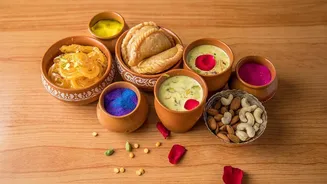
While many monsoon cravings lean savoury, Rajasthan welcomes the rains with a spectacular sweet: Ghevar. This disc-shaped, honeycomb-like dessert is made from a batter of flour and ghee, fried to a crisp and then soaked in sugar syrup. Ghevar is strongly associated with the monsoon month of Sawan and the festivals of Teej and Raksha Bandhan. The humidity in the air during the monsoon is believed to be ideal for achieving its unique crispy-yet-soft texture. Often topped with rabri (thickened sweet milk) and nuts, it’s a rich, celebratory treat.
Pazham Pori: Kerala's Golden Delight
Travel south to Kerala, and the quintessential monsoon snack is Pazham Pori. These are sweet fritters made from ripe plantains, known locally as Nendram Pazham. The banana slices are dipped in a simple batter of flour, a pinch of turmeric for colour, and sometimes a little sugar, then deep-fried until golden and crisp. The result is a snack that’s crunchy on the outside and soft and sweet on the inside. Paired with a cup of hot tea, it's a beloved 'naalumani palaharam' (4 o'clock snack) that makes a rainy evening perfect.
Mirchi Bajji: Hyderabad's Fiery Favourite
Hyderabad meets the monsoon with a fiery kick in the form of Mirchi Bajji. These are large, less spicy green chillies that are stuffed, battered, and fried. The stuffing is often a tangy mixture of tamarind pulp and spices. Once fried, the bajjis are sometimes cut open and filled with chopped onions and a sprinkle of chaat masala, creating a 'cut mirchi' chaat. Enjoyed on street corners, often with a cup of rich Irani chai, this snack provides a burst of heat and flavour that stands up to the downpour.
Litti Chokha: Bihar's Earthy and Rustic Meal
From the state of Bihar comes a complete meal that is especially comforting during the rains: Litti Chokha. Litti are whole wheat dough balls stuffed with a savoury filling of Sattu (roasted gram flour) and spices. Traditionally, they are roasted over a fire, which gives them a smoky flavour. They are served dunked in ghee alongside Chokha, a rustic mash of roasted vegetables like eggplant, potato, and tomato, flavoured with raw mustard oil, onions, and garlic. It’s a hearty, wholesome dish with deep, earthy flavours.
Thukpa: Warmth from the Himalayas
In the Himalayan regions of India, like Sikkim and Ladakh, a cold, rainy day calls for a steaming bowl of Thukpa. This Tibetan-origin noodle soup is a complete meal in a bowl, featuring a flavourful broth, noodles, vegetables, and sometimes chicken or other protein. The broth is often seasoned with local spices like timur (Sichuan pepper), ginger, and garlic. Thukpa is designed to provide warmth and sustenance, making it the perfect antidote to the damp chill of a mountain monsoon.
Aloo Bonda: The South Indian Potato Fritter
Aloo Bonda, also known as Mysore Bonda in some parts of Karnataka, is a popular South Indian monsoon snack. It consists of a spiced mashed potato filling that is shaped into balls, dipped in a gram flour batter, and deep-fried until golden. The outside is crisp, while the inside is soft and flavourful. It is a close cousin to the Maharashtrian Batata Vada. Often served with coconut chutney and a hot cup of filter coffee, it's a simple yet incredibly satisfying treat on a wet day.
Samosa: The Evergreen Triangular Treat
No list of Indian rainy day foods would be complete without the iconic samosa. This triangular pastry, filled with a savoury mixture of spiced potatoes and peas, is a beloved snack year-round but gains special significance during the monsoon. The feeling of breaking open a hot, crispy samosa while the rain pours outside is a cherished experience. Paired with tangy tamarind or fresh mint chutney, it remains an undisputed king of comfort snacks, available and adored everywhere from bustling street stalls to home kitchens.