




The Problem with Chunky Fillings
The primary culprit behind a torn paratha is often the texture of the filling. When you chop or roughly mash vegetables like cauliflower, potatoes, or radish, you are left with uneven, chunky pieces. As you roll the dough, the sharp or hard edges of these
chunks press against the thin layer of atta, acting like tiny blades that poke through and cause rips. No matter how soft your dough is, it stands little chance against a lumpy interior. This is especially true as you apply pressure with the rolling pin, which forces these larger pieces to break through the delicate dough wall, letting the precious filling escape onto your rolling board.
Grating Creates a Smooth, Uniform Paste
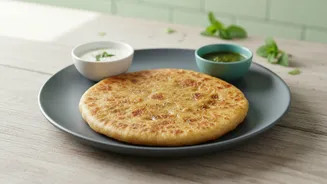
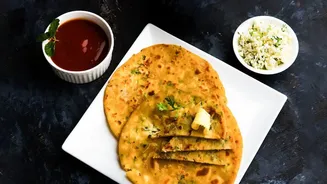
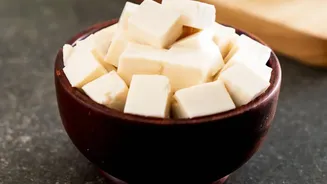
This is where the grater becomes your best friend. By grating your filling ingredients—whether it's boiled potatoes, raw cauliflower, paneer, or radish—you create fine, uniformly sized particles. These tiny pieces blend together into a cohesive, smooth mass. Instead of fighting against individual chunks, the dough encases a consistent paste that spreads evenly as you roll. A grated filling distributes the pressure uniformly across the surface of the dough, allowing it to stretch without tearing. Many chefs and experienced home cooks recommend grating even boiled potatoes, once cooled, to ensure there are absolutely no lumps that could compromise the paratha's integrity.
Mastering Moisture Control
Another major challenge with stuffed parathas is moisture. Vegetables like radish (mooli) and cauliflower (gobi) have a very high water content. When you salt a chopped filling, this water leaches out and creates a soggy mess that can turn your dough sticky and impossible to seal. Grating provides the perfect solution. Once grated, you can easily squeeze out all the excess water from the vegetables. A common technique is to salt the grated vegetable, let it sit for about 15-20 minutes, and then squeeze it firmly in a muslin cloth or with your hands. This results in a much drier filling that won’t weaken the dough from the inside, ensuring your paratha stays intact and cooks up crisp, not steamed.
Better Flavour and Texture in Every Bite
Beyond preventing tears, grating also improves the overall eating experience. The fine texture means the filling integrates more seamlessly with the dough, so you get a perfect marriage of flavours in every bite rather than pockets of filling separated by plain dough. Furthermore, the increased surface area of grated ingredients allows them to absorb masalas more effectively. Spices like garam masala, amchur (dry mango powder), and chilli powder coat every single particle, resulting in a more intensely and evenly flavoured paratha. The final product not only looks better but has a superior texture and a more vibrant taste throughout.
Tips for Perfect Grated Fillings
To make the most of this technique, keep a few things in mind. First, always ensure boiled ingredients like potatoes are completely cool before you grate them; warm potatoes can become starchy and sticky. For watery vegetables like radish or cabbage, the 'salt and squeeze' method is non-negotiable. Don't be afraid to add a binding agent to your grated filling if it still feels a little loose. A tablespoon of roasted besan (gram flour) or some crumbled paneer can help absorb any remaining moisture and hold the filling together beautifully. Finally, remember not to overstuff the paratha. Even with a perfect filling, too much pressure from the inside can cause issues.