


The Fibre Face-Off
Dietary fibre is crucial for good digestion, helping you feel full and maintaining a healthy gut. In this category, beetroot takes a clear lead. A 100-gram serving of raw beetroot contains about 2.8 grams of dietary fibre. In contrast, the same amount
of raw radish offers around 1.6 grams. While both contribute to your daily fibre needs, beetroot provides significantly more. If improving your digestive health or increasing satiety is your primary goal, beetroot is the stronger choice. This higher fibre content also means beetroot's natural sugars are absorbed more slowly.
Vitamin C for Immunity
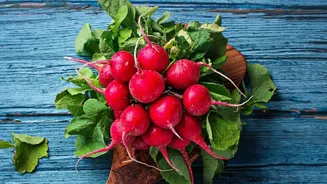
When it comes to the immune-boosting power of Vitamin C, the tables turn dramatically in favour of the radish. A 100-gram portion of raw radish delivers a robust 14.8 mg of Vitamin C. Beetroot, on the other hand, contains a much more modest 4.9 mg per 100 grams. This makes radish the clear winner for anyone looking to up their intake of this vital antioxidant, which is essential for skin health, protecting cells from damage, and supporting the body's natural defences. If you're feeling under the weather or simply want to bolster your immunity, reaching for a crunchy radish salad might be more beneficial.
The Natural Nitrate Knockout
Natural nitrates are compounds found in vegetables that the body converts into nitric oxide. This molecule is a hot topic in health circles because it helps relax blood vessels, which can improve blood flow, lower blood pressure, and even enhance athletic performance. Both vegetables are good sources of natural nitrates, but beetroot is widely recognised as a nitrate powerhouse. Studies have specifically highlighted beetroot juice for its ability to increase nitric oxide availability in the body. While radishes also contain nitrates that contribute to better blood flow, beetroot's concentration is generally considered higher and it is more frequently studied for its performance-enhancing effects. For athletes or those focused on cardiovascular health, beetroot has the edge.
A Broader Nutritional Snapshot
Beyond these three components, their overall nutritional profiles differ. Radishes are significantly lower in calories, with about 16 calories per 100 grams compared to beetroot's 43. This makes radishes a great option for weight management. Beetroot, however, is richer in several other important nutrients, including folate (a B vitamin crucial for cell growth), iron, and potassium. Radishes offer more calcium than beetroots. Ultimately, beetroot is more nutrient-dense overall, packing more vitamins and minerals per calorie, with the notable exception of Vitamin C.
The Verdict: Which One for Your Plate?
So, which vegetable should you choose? The answer truly depends on your personal health objectives. If you need a low-calorie crunch, a big dose of Vitamin C, and a good source of calcium, radish is your go-to. Its peppery flavour is perfect raw in salads and raitas. If you're looking to boost your fibre intake, improve athletic stamina with natural nitrates, and get more folate and iron, then the earthy, sweet beetroot is the winner. It can be enjoyed roasted, boiled, or juiced. Both vegetables offer unique benefits and have a place in a balanced diet.