







The Art of Aimless Wandering
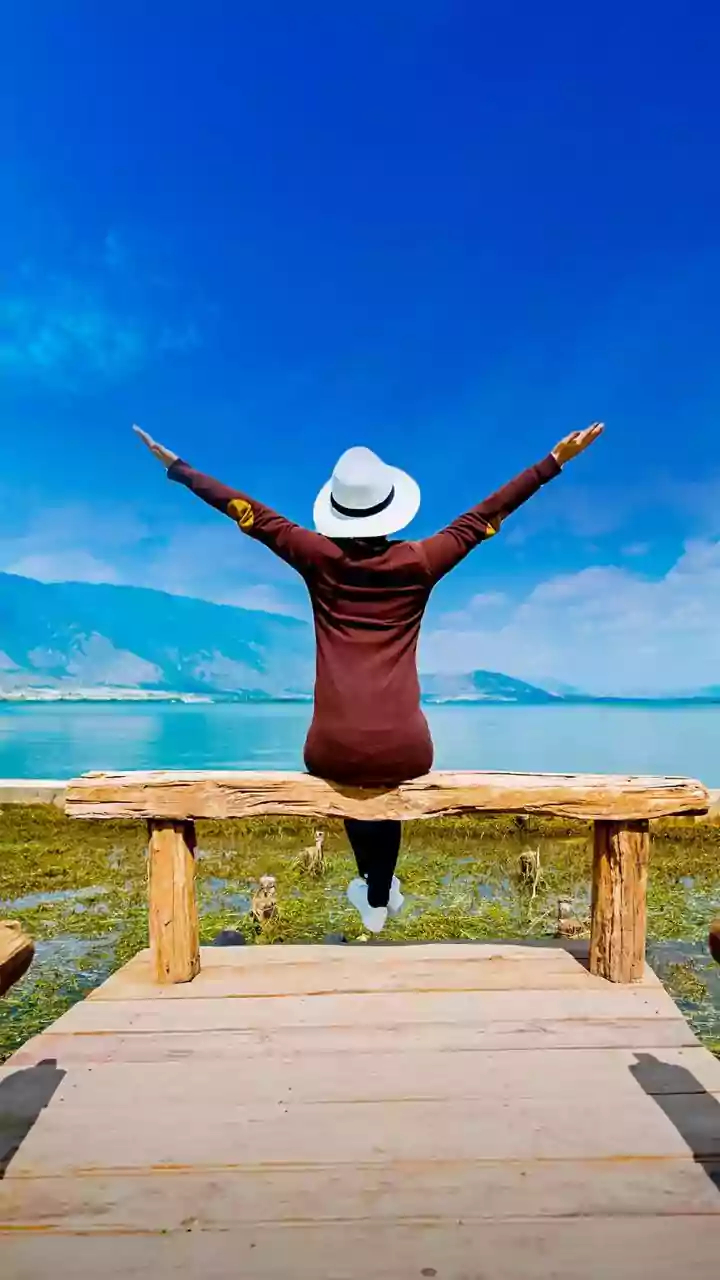
Purpose-free travel isn’t about being lazy; it’s about being open. It means swapping a rigid, minute-by-minute itinerary for a sense of curiosity and a willingness to be spontaneous. Instead of a list of must-see landmarks, your only goal is to explore,
discover, and let the destination reveal itself. Think of it as the difference between a guided tour and a solo ramble through an unknown neighbourhood. One is efficient and predictable; the other is rich with the potential for serendipity. This approach is emerging as a powerful antidote to the pressures of modern life, where every moment, even leisure, is often expected to be productive. Travel experts note that this trend is less about a specific destination and more about a mindset. It's about prioritising a feeling or a state of mind—like rest or connection—over the prestige of a location.
The Brain on Spontaneity
The latest evidence from neuroscience provides a compelling case for leaving your schedule behind. Your brain thrives on novelty. When you encounter new sights, sounds, and challenges, it stimulates neuroplasticity—the brain's ability to form new neural connections. This process is like a workout for your mind, enhancing cognitive flexibility, creativity, and problem-solving skills. Navigating an unfamiliar city or trying to communicate without a shared language forces your brain to adapt and learn, keeping it sharp. Furthermore, novelty triggers the release of dopamine, a neurotransmitter associated with pleasure, motivation, and learning. This dopamine rush not only makes the experience more enjoyable but also signals to the brain that the moment is important, helping to create vivid, long-lasting memories.
An Antidote to Burnout
The pressure to perform doesn't always stop when we clock out. This 'productivity-first' mindset can turn vacations into another source of stress. Purpose-free travel directly counters this by forcing you to let go of control. Studies and psychological experts suggest that taking a break from routines significantly reduces levels of cortisol, the body's primary stress hormone. By stepping away from the need to manage every detail, you allow your mind to relax and recharge. This mental reset can lead to a greater sense of well-being that lasts for weeks after the trip concludes. In a world where many feel overwhelmed by daily demands, the simple act of being present and unburdened by a schedule can be a profound form of self-care. It decreases the risk of burnout by allowing you to genuinely disconnect and focus on your own wellness.
How to Embrace Unplanned Adventures
Letting go of a detailed plan can feel daunting, but you don’t have to abandon structure entirely. Start small. You could book your first night’s accommodation and leave the rest of the trip open. Or, dedicate a full day to simply wandering without a map. Use public transportation to get a feel for a place; some research shows that using public transit can increase incidental physical activity, adding a small health benefit to your exploration. Another approach is to set a loose intention rather than a strict goal. For instance, instead of planning to visit five specific cafes, make it your mission to simply find a great cup of coffee by asking locals for recommendations. Engaging with people you meet can lead to unexpected discoveries and create more meaningful connections. The key is to trade expectations for experiences, allowing yourself the freedom to be happily sidetracked.