






An Ambitious New Frontier
India is in one of the most ambitious phases of its space journey. The Indian Space Research Organisation (ISRO) is working on several high-stakes missions that are crucial for national prestige and scientific advancement. The flagship Gaganyaan programme
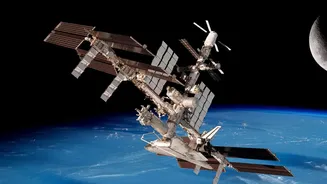
aims to send Indian astronauts into orbit, a goal that has seen its timeline shift to 2027. Beyond that, the agenda includes developing a new space station, the Bharatiya Antariksh Station, by 2035, sending an Indian to the Moon by 2040, a second Mars mission, and a mission to Venus. These projects require not just existing expertise but a massive leap in technological capability, from human-rated launch vehicles to advanced life support systems.
A Widening Manpower Gap
Beneath the surface of these grand plans lies a stark reality. The Department of Space (DoS) is facing its most significant manpower shortage in at least 25 years. Recent data from 2025-26 shows that nearly three out of every ten sanctioned posts are vacant, a gap that disproportionately affects the scientists, engineers, and technical specialists who are the lifeblood of these missions. At the end of the 2025-26 period, only 14,637 of 20,269 sanctioned posts were filled, leaving over 5,600 vacancies. This staffing level, around 72%, has steadily worsened from nearly 86% in 2019-20, even as the mission pipeline has become more demanding. The current workforce is now smaller than it was two decades ago, a worrying trend as the complexity of missions skyrockets.
The Private Sector Pull
A major factor contributing to this talent crunch is the explosive growth of India's private space sector. Since the sector was opened to private participation in 2020, over 400 space startups have emerged. These dynamic new companies, often offering higher salaries, stock options, and faster career growth, are competing directly with ISRO for the nation's best and brightest aerospace talent. Reports indicate that over 100 ISRO scientists, some from key projects like Gaganyaan, have resigned in recent months, with many likely moving to the burgeoning private industry. This internal competition creates a dual challenge: while a robust private ecosystem is a long-term goal, in the short term it strains the resources of the national agency leading the charge. The government has even tightened exit rules for personnel on critical projects to stem the flow of resignations and prevent disruptions.
A Deeper Skill Deficit
The problem isn't just about numbers; it's also about specific skills. India produces around 1.5 million engineering graduates annually, but studies show that only a small fraction are employable in the high-precision aerospace sector without significant retraining. There is a critical shortage of expertise in specialized fields like propulsion, avionics, satellite systems engineering, robotics, and space-grade materials science. This structural disconnect between university curricula and industry needs means that even when new talent is hired, there is a significant lag in making them project-ready. This underlying skills gap affects both ISRO and private companies, threatening to slow the entire sector's momentum.
The Ripple Effect on Timelines
A stretched and shrinking workforce directly translates to mission risk. Complex projects like Gaganyaan have already faced multiple delays, moving from an initial 2022 target to the current 2027 projection for a crewed launch. Each delay has a cascading effect, pushing back subsequent missions like the Bharatiya Antariksh Station. While ISRO leadership maintains that programmes are on track, the combination of staff shortages, a brain drain to the private sector, and existing technical hurdles creates immense pressure. Without sufficient manpower, the pace of testing, validation, and integration slows down, increasing the likelihood of further postponements for India's journey to the stars.