






A Different Kind of Bloom
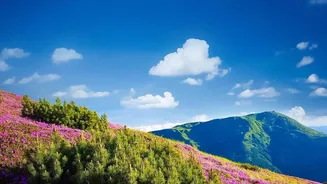
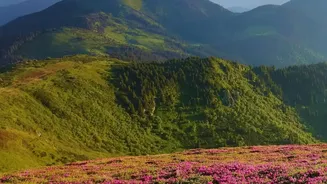
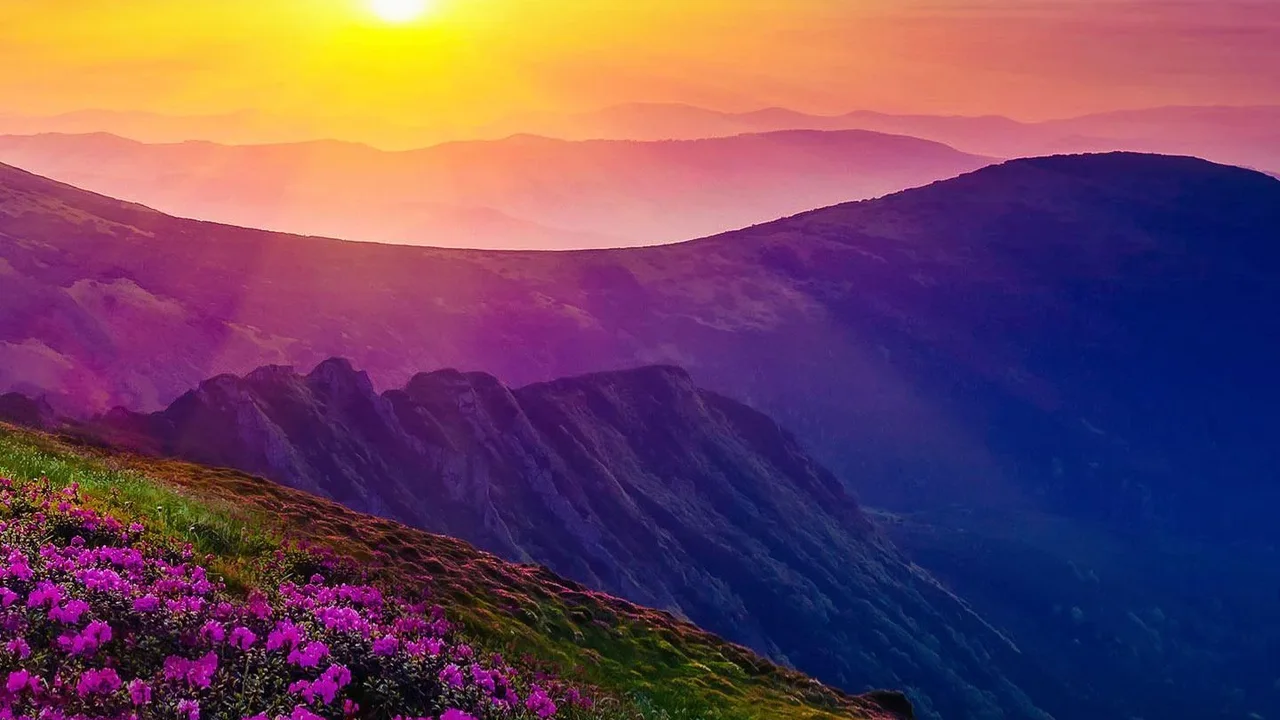
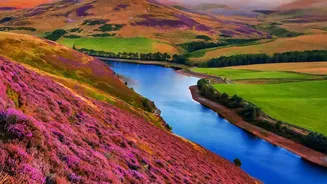
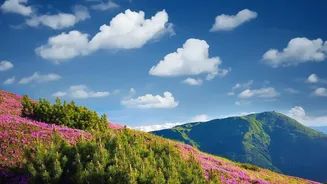
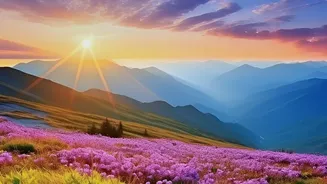
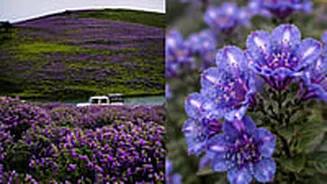
This year's magnificent bloom of the Neelakurinji (Strobilanthes kunthiana) is a special occurrence that has caught some by surprise. While the most famous mass flowering at Eravikulam National Park last happened in 2018 and is next expected in 2030,
a different population of the same flower is following its own 12-year cycle. The current spectacle, which began in August and is expected to peak through September and October, is concentrated in areas like the Chokramudi hills and the Mattupetty-Korandakkad region. This population last flowered in 2014, making 2026 its scheduled moment to shine. For travellers, this offers an unexpected opportunity to witness the rare phenomenon without waiting until the end of the decade.
Learning from the Past
The 2018 bloom at Eravikulam National Park was a lesson in crowd management. It drew an estimated eight lakh visitors, leading to significant pressure on the region's infrastructure and fragile ecosystem. The overwhelming tourist influx resulted in traffic bottlenecks, long queues, and concerns about environmental damage, including plastic waste and tourists straying into protected grasslands. Authorities recognised that for future blooms to be sustainable, a more structured approach was essential. The experience highlighted the need for better regulation to protect both the rare flowers and the visitor experience, prompting a rethink of how to handle such a massive natural event.
A More Regulated Viewing Experience
For the 2026 season, authorities are implementing several changes to prevent a repeat of past chaos. Visitor access to key areas like Chokramudi is now regulated, with the season officially inaugurated on August 24th. Instead of allowing private vehicles up to the viewing points, visitors may need to park in Munnar town and use special KSRTC shuttle buses. The Idukki district administration is also planning online visitor slots to manage the flow of tourists. Entry fees have been established, and there are strict prohibitions on activities like using drones for photography to protect the wildlife habitat. These measures aim to create a more organised and less disruptive experience for everyone.
Conservation Takes Centre Stage
This year, the focus is squarely on protecting the vulnerable Neelakurinji habitat. The flower has been classified as 'Vulnerable' on the IUCN Red List due to threats from urbanisation and habitat loss. In response, forest officials have issued stern warnings. Anyone caught plucking, damaging, or uprooting the flowers faces hefty fines of up to ₹25,000 and even potential imprisonment. Visitors are urged to stay on designated trails, avoid leaving plastic waste, and admire the flowers from a distance. The goal is to ensure that the ecological cycle, which culminates in this once-in-a-dozen-year flowering, can continue for generations to come.
Where to See the Blooms and How to Plan
The main viewing areas for the 2026 bloom are Chokramudi, Mattupetty, and Korandakkad. Eravikulam National Park, though home to the endangered Nilgiri Tahr, is not the centre of this particular flowering cycle. The bloom is expected to be at its peak between September and October. If you plan to visit, booking accommodation and transport well in advance is crucial, as demand is high. Pack warm clothing for chilly mornings, comfortable shoes for walking, and a reusable water bottle to help minimise waste. To ensure a smooth visit, check the latest official updates on ticketing, which may include online booking portals or even a WhatsApp-based system to avoid long queues.