







Meet the Intruders: Common Pantry Pests
The first step in winning any battle is knowing your enemy. In Indian kitchens, the most frequent unwelcome guests are weevils, flour beetles, and Indian meal moths. Weevils are tiny beetles, often with a distinct snout, that lay their eggs inside grains
of rice or wheat. Flour beetles are small, reddish-brown insects that, as their name suggests, thrive in flour, cereals, and other milled products, often leaving behind an unpleasant odour. Indian meal moths are another common culprit; while the adult moths are harmless, their larvae spin webs and feed on everything from dried fruits and nuts to spices and grains. These pests don't just appear out of thin air. Most infestations start when you unknowingly bring home packaged foods that already contain eggs or larvae.
The Invitation: How Pests Find Their Way In
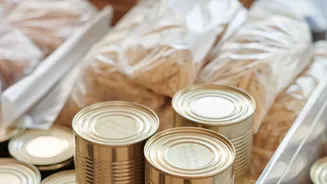
Pests are drawn to your pantry for a few simple reasons: food, moisture, and shelter. Crumbs and food spills on shelves act as a buffet, attracting insects and encouraging them to stick around. Forgotten packets of spices or half-used bags of dal tucked away in the back of a cupboard become perfect breeding grounds. Even the original paper, cardboard, or thin plastic packaging of many food products is no match for a determined pest, which can chew through it to get to the contents. High humidity, especially during monsoon season, creates an ideal environment for pests like cockroaches and beetles to thrive and multiply. Essentially, a cluttered and unsealed pantry is an open invitation for an infestation.
Your First Line of Defence: Airtight Containers
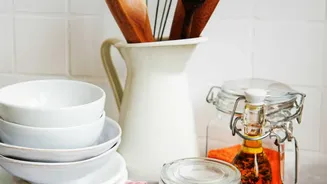
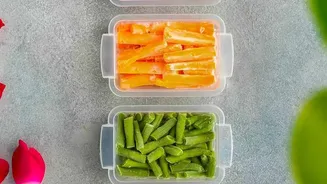
The single most effective way to prevent pantry pests is to upgrade your storage. Transfer all dry goods—like flour, rice, lentils, sugar, and spices—from their original packaging into airtight containers immediately after purchase. High-quality plastic, glass, or metal containers create an impenetrable barrier that pests cannot chew through. This not only protects your food from invaders but also seals in freshness and locks out moisture, which is a key attractant for many insects. By sealing your food, you also contain its aroma, preventing pests from sniffing out their next meal in your kitchen. It’s a simple change that transforms your pantry from a vulnerable target into a secure fortress.
The Power of a Clean Sweep
A clean pantry is a pest-free pantry. Make it a habit to regularly wipe down your shelves to remove any crumbs, spills, or dust that could attract insects. A weekly clean-up can make a huge difference. Once a month, take the time for a deeper clean. Empty the shelves completely, vacuum out all the corners and crevices to remove hidden crumbs and potential eggs, and then wash the surfaces. A simple solution of white vinegar and water works well for wiping down shelves, as the vinegar can help remove the scent trails that ants use to navigate. Ensure the shelves are completely dry before putting everything back. This regular maintenance removes food sources and disrupts the pest life cycle.
Natural Deterrents from Your Masala Dabba
Many common ingredients in Indian kitchens double as natural pest repellents. Bay leaves (tej patta) are known to repel weevils, moths, and cockroaches; simply place a few dried leaves in your containers of flour and rice, and on pantry shelves. Cloves (laung) are effective against ants; you can place them in corners or even stick them into a lemon half to deter flies. The strong scents of cinnamon and neem leaves can also help keep bugs at bay. Sprinkling these spices or placing leaves in strategic locations can add another layer of chemical-free protection to your kitchen.
Damage Control: When You Find an Infestation
If you do discover pests, act quickly. First, identify and discard any and all infested food items. Be ruthless—if one bag is contaminated, its neighbours are likely at risk too. Do not compost infested items; seal them in a bag and take the trash out immediately. For unopened packages you suspect might be compromised, placing them in the freezer for at least four days can kill any eggs or larvae. After removing the food, empty the pantry entirely and perform a thorough cleaning. Vacuum every corner and crevice to remove stray insects and eggs, then wash all surfaces with hot, soapy water followed by a vinegar-water solution. Only restock the pantry once it is completely clean and dry.