

Understanding the Colour Change
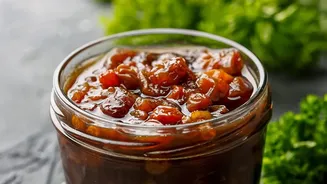
The primary reason your fresh, vibrant green chutney turns dark is a process called oxidation. When the delicate leaves of herbs like coriander and mint are chopped or blended, their cell walls break down, releasing enzymes. When these enzymes are exposed
to air, they cause the chlorophyll—the pigment that makes the herbs green—to degrade, resulting in a brownish, less appealing colour. The heat generated by the blender blades can also accelerate this process, further dulling the final product.
Technique 1: Keep It Cold
One of the most effective ways to combat oxidation is to lower the temperature during blending. Using a few ice cubes or ice-cold water when you grind the chutney is a game-changing trick used by many chefs. The cold temperature slows down the enzymatic reaction that causes browning and counteracts the heat from the blender's motor. This simple step helps preserve the chlorophyll, keeping the chutney's bright green hue intact from the get-go. For best results, also refrigerate the chutney immediately after making it.
Technique 2: The Power of Acidity
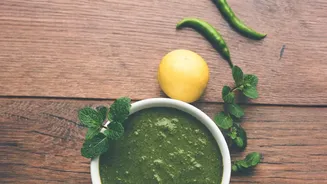
Acid is another powerful tool in your arsenal against discolouration. Ingredients like lemon juice, lime juice, or even vinegar help preserve the green colour by lowering the chutney's pH level. This acidic environment makes it difficult for the browning enzymes to function effectively. Adding a generous squeeze of lemon juice not only brightens the chutney's flavour with a pleasant tang but also acts as a natural preservative, extending its shelf life and freshness. Some recipes even suggest using amchoor (dry mango powder) for a similar tangy and preservative effect.
Technique 3: A Quick Blanch
For those who want to go the extra mile, blanching the herbs is a near-foolproof method. This involves briefly immersing the coriander and mint leaves in boiling water for just 15-30 seconds, then immediately plunging them into an ice bath to stop the cooking process. This quick heat treatment deactivates the oxidative enzymes responsible for browning. While it might slightly mellow the herbs' flavour, the result is a stunningly stable and vibrant green that holds for much longer, making it perfect for preparing chutney in advance.
Smart Ingredient Choices
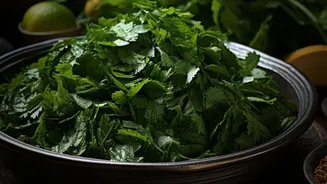
The ingredients you choose also play a significant role. Always opt for the freshest, brightest green coriander and mint leaves available. Avoid using thick, tough stems, which can be less vibrant and more bitter. Some recipes for hotel-style chutney incorporate a small amount of roasted gram dal (pottukadalai), peanuts, or even coconut to add body and thickness, which can also influence the final colour and texture. A pinch of sugar is another common addition, not just for balancing flavour but also to help in preservation.
Proper Storage for Lasting Colour
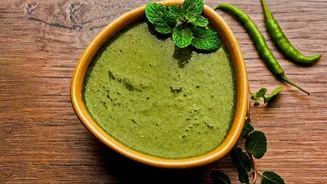
Once you've made your beautiful green chutney, storing it correctly is crucial. Pour it into a sterilised, airtight glass jar to minimise contact with air. Some experts recommend pouring a thin layer of oil on top of the chutney before sealing the lid; this creates an effective barrier against oxygen, preventing oxidation. For longer-term storage, freezing the chutney in an ice cube tray is an excellent option. Simply pop out a cube or two and let it thaw in the refrigerator whenever you need it.