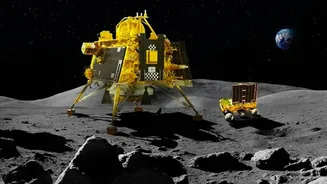

NASA is planning humanity's return to the Moon, and this time, it intends to stay. But building a permanent lunar outpost is a colossal task. In a bold move, the space agency is turning to the next generation for fresh ideas.
The $1 Million Moon Base Challenge
NASA has officially launched
the '$1 million Moon Base Challenge', inviting student teams from high schools and post-secondary institutions across the United States to help design critical elements of a future lunar settlement. Announced in early November 2026, this initiative is a direct call to the Artemis Generation to contribute to the next giant leap in space exploration. The goal is to tap into the creativity and ingenuity of young minds to solve the complex problems associated with establishing a sustained human presence on the Moon. NASA Administrator Jared Isaacman emphasized that students don't need to wait until after graduation to make a difference, stating that 'Curiosity, creativity, and the willingness to tackle hard problems' are the exact qualities needed for this ambitious next step.
Six Pillars of Lunar Living
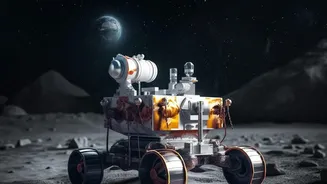
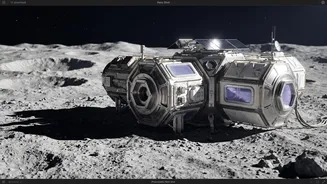
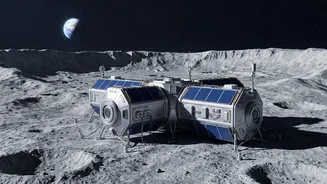
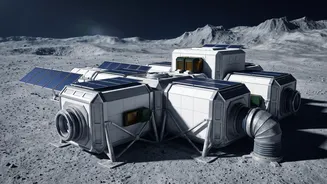
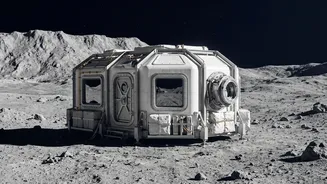
The challenge is structured around six core categories, each representing a major hurdle that must be overcome to live and work on the Moon. Teams can choose to develop concepts for power generation and storage, a crucial need in an environment with extreme temperature swings and long periods of darkness. They can also focus on habitat construction, life-support systems for breathable air and clean water, or surface mobility to transport astronauts and cargo across the rugged lunar terrain. The final two categories are communications networks to connect the Moon base with Earth and astronaut safety, which involves protecting crews from hazards like radiation and lunar dust. These focus areas are not just theoretical exercises; they are practical problems that NASA engineers and scientists are actively working to solve.
Who Can Participate and How?
The competition is open to teams from U.S. high schools and post-secondary schools, including technical and vocational institutions. NASA has stressed that prior specialized engineering experience is not a requirement, opening the door to a wide range of students with diverse academic backgrounds. Interested teams must register through the NASA STEM Gateway portal by January 25, 2027. The competition will unfold in multiple phases, starting with teams developing an initial concept paper. Throughout the process, participants will gain access to live webinars with NASA experts, giving them direct insight from the front lines of space exploration. This structure is designed to mimic the professional workflow of the aerospace industry, giving students hands-on experience with tasks like trade studies and stakeholder briefings.
More Than a Contest
While the prize money is a significant incentive, the Moon Base Challenge represents something much larger. It's part of a broader NASA strategy to cultivate the future aerospace workforce and directly engage the Artemis Generation. Similar initiatives, like the Breakthrough, Innovative, and Game-Changing (BIG) Idea Challenge and the Moon to Mars eXploration Systems and Habitation (M2M X-Hab) Challenge, have a history of providing students with invaluable handson research and design experience. Many past participants in these programs have gone on to careers within the aerospace industry, including at NASA itself. By crowdsourcing solutions for its most ambitious goals, NASA is not only accelerating technological development but also investing in the people who will one day lead missions to the Moon, Mars, and beyond.