








The dream of owning a home in India is timeless, but the reality in 2026 is a complex equation. For many, it boils down to a fundamental conflict: do you choose a spacious home far from the city centre or a compact one in the heart of the action?
The Great Urban Squeeze
In India's
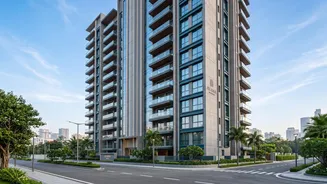
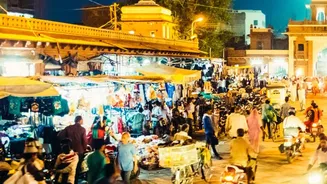
major metropolitan areas, the pressure on space is immense. Cities like Mumbai, Bengaluru, and Delhi are witnessing relentless price appreciation. According to a Q1 2026 report, average housing prices in Bengaluru surged by 24% year-on-year, while the Mumbai Metropolitan Region (MMR) saw a 20% jump. This 'premiumisation' of the market means that homes in prime urban locations are not only more expensive but often smaller. For many first-time homebuyers, the dream of a city-centre address now comes with the reality of a smaller floor plan, where every square foot is a luxury. The choice is often between a 2BHK in a central suburb for the price of a larger 3BHK or even a villa in a peripheral area. This forces a direct confrontation with the question: what is more valuable, location or living space?
The Allure of the Periphery
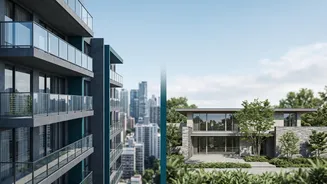
In response to the urban squeeze, a growing number of buyers are looking outwards. The suburbs and peripheral corridors of major cities are no longer seen as remote outposts but as viable, and often preferable, alternatives. The primary draw is undeniable: more space for your money. For the same budget that might secure a compact apartment in the city, a buyer could get a significantly larger home with amenities like a garden or a dedicated home office in the suburbs. This trend is particularly strong among families and those looking to upgrade. Reports from 2026 show a rising preference for 3BHK and even 4BHK configurations, a demand that is increasingly met in these emerging areas. The promise of a better lifestyle, cleaner air, and a reprieve from the relentless pace of the city core is a powerful motivator driving this residential migration.
Work From Home Rewrites the Rules
The post-pandemic normalisation of remote and hybrid work has been a game-changer for the real estate market. 'Convenience' was once almost exclusively defined by the daily commute to a central business district. Today, that definition has expanded. With many professionals no longer needing to be in the office five days a week, the appeal of living in a crowded, expensive city centre has diminished for some. This has empowered homebuyers to prioritise space and lifestyle over proximity to their workplace. The ability to work from a comfortable, dedicated space at home has made larger properties in peripheral locations far more attractive, accelerating the trend of urban decentralisation. Companies and governments are also investing in the digital infrastructure of smaller towns, making remote work a more seamless reality and further boosting their residential appeal.
Infrastructure Is Closing the Gap
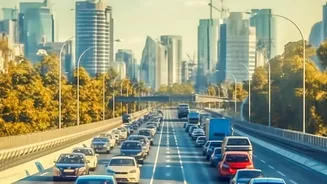
Perhaps the most critical factor enabling the shift to the suburbs is the rapid expansion of urban infrastructure. What was once a deal-breaking commute is now becoming more manageable thanks to new metro lines, expressways, and sea links. In Mumbai, for instance, projects like the Trans Harbour Link and new metro lines are drastically reducing travel times between the core city and suburban nodes like Panvel and Thane. Similarly, in Bengaluru, the Peripheral Ring Road and metro expansions are integrating areas like Sarjapur and Whitefield into the broader city network. This improved connectivity is a powerful multiplier for property values and residential demand in these once-peripheral areas. As the convenience gap narrows, the tradeoff becomes less about isolation versus connection and more about a nuanced choice between different, but equally connected, lifestyles.