








A New Chapter in Indian Space History
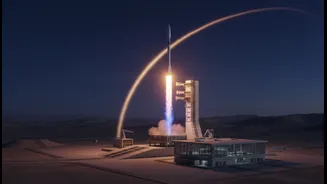
On July 18, 2026, Skyroot Aerospace’s Vikram-1 rocket successfully lifted off from the Satish Dhawan Space Centre, marking India’s first-ever private orbital rocket launch. The mission, named 'Aagaman' (Sanskrit for 'Arrival'), placed its payloads into
a stable orbit roughly 15 minutes after launch, a landmark achievement that made India only the third country, after the US and China, with a private orbital launch capability. Developed by the Hyderabad-based startup Skyroot Aerospace, Vikram-1 is a four-stage rocket designed to launch small satellites, weighing up to about 350 kg, into Low Earth Orbit. The rocket itself is a feat of modern engineering, featuring a carbon-composite body, 3D-printed engines, and a combination of solid and liquid propulsion stages. This launch was not just a technological demonstration; it was the culmination of space sector reforms initiated after 2020 to encourage private participation and turn India into a global hub for space commerce.
The People Behind the Console
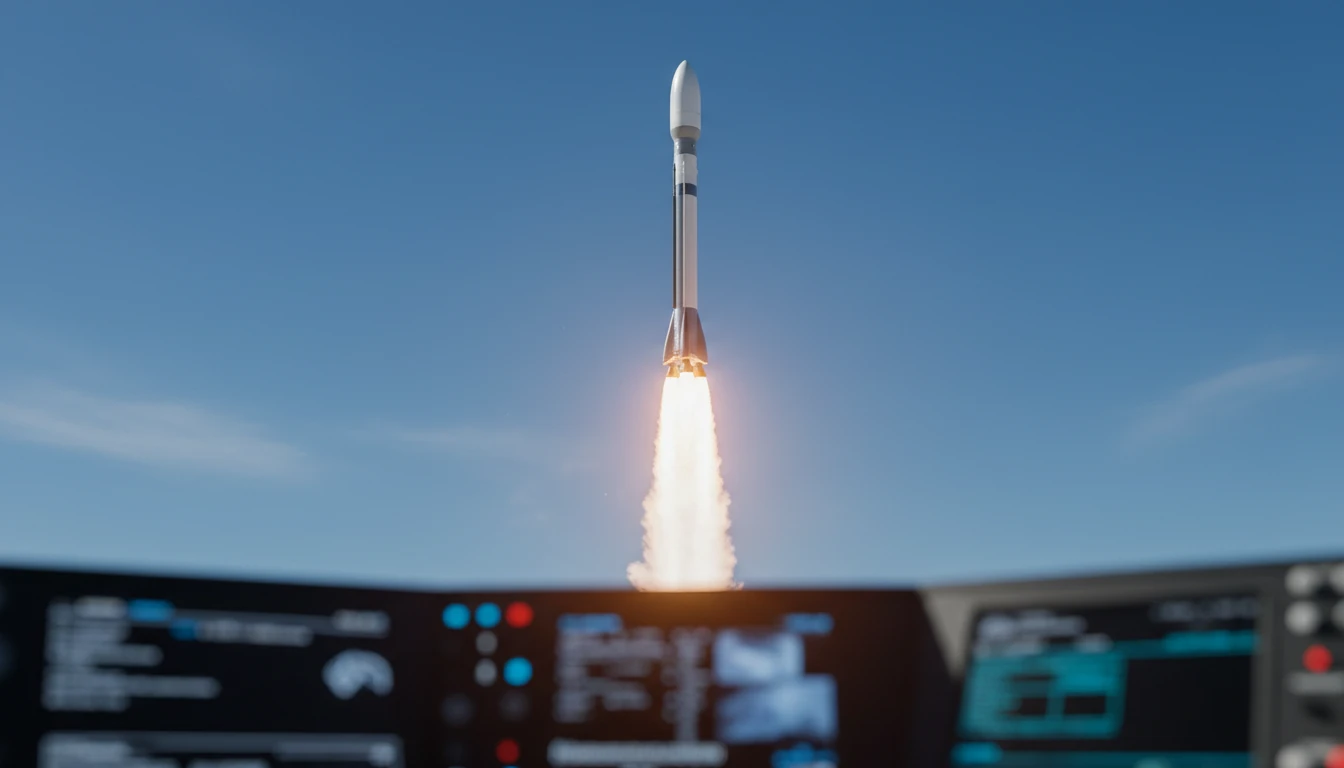
While the rocket is the star, the success of any mission depends on a team of highly skilled professionals in the mission operations control centre. This is the nerve centre where engineers and specialists monitor the vehicle's trajectory, analyse telemetry data in real-time, and ensure every stage performs exactly as planned. For Vikram-1, this control room wasn’t filled with ISRO scientists, but with employees of a private company. This shift is profound. For decades, a career in India's space sector meant one thing: securing a coveted position at the Indian Space Research Organisation (ISRO). But companies like Skyroot Aerospace are changing that paradigm. They are building teams for roles that were once exclusively in the government domain: mission directors, launch vehicle operators, propulsion engineers, avionics specialists, and quality assurance managers. These jobs require a deep understanding of complex systems, from aerodynamics and propulsion to software and communications, all working in perfect synchronisation to guide a multi-million-dollar asset into orbit.
A Different Kind of Career Orbit
Working for a space startup offers a different career trajectory than the traditional government path. While ISRO provides immense prestige and stability, private companies like Skyroot, Agnikul Cosmos, and others offer a fast-paced, agile environment. These startups are attracting talent by providing opportunities for faster growth, broader responsibilities, and, in some cases, equity in the company. The talent pool is also diversifying. While aerospace engineers remain crucial, private space firms are actively recruiting from adjacent industries like automotive, electronics, and software. They need industrial engineers to optimise manufacturing, software developers for control systems and data analysis, and materials scientists to work with advanced composites. This cross-industry hiring is creating new pathways for professionals who may not have a traditional aerospace background but possess critical skills in high-precision manufacturing and systems engineering.
The Growing Space Economy
The success of Vikram-1 is a catalyst for a much larger economic ecosystem. India's space economy, currently valued at around $8 billion, is projected to grow to $44 billion by 2033. This growth is being driven by the hundreds of new space startups registered under IN-SPACe, the regulatory body created to foster private enterprise in space. This expansion creates a ripple effect, generating jobs far beyond the rocket companies themselves. It creates demand for component manufacturers, software-as-a-service (SaaS) platforms for satellite data, ground station operators, and firms specialising in data analytics. According to ISRO's chairman, India is now home to around 400 space startups, which are creating significant job opportunities that were unimaginable a decade ago. The government's policy is to have ISRO focus on advanced research and deep-space missions, while private industry takes over more routine services like small satellite launches, creating a vibrant, dual-track space program.