
A Perfect Union of Bright and Rich
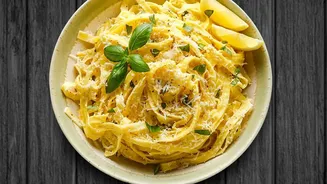
At first glance, lemon and cream might seem like an odd couple. The high acidity of lemon can be tricky with dairy. But in this pasta dish, they create a perfect harmony. The secret lies in the fat content of heavy cream, which is robust enough to welcome
the lemon's tang without curdling, especially when the lemon juice is added at the end of the cooking process. The result is a sauce that’s luxuriously rich but feels surprisingly light and zesty, cutting through the richness that can sometimes make creamy pastas feel heavy. It’s a culinary balancing act that transforms a few simple ingredients into something truly special.
It All Starts with Quality Ingredients
This dish is a testament to the idea that simple can be spectacular, but only when the ingredients are top-notch. For the best flavor, use fresh lemons—you’ll need both the zest and the juice. The zest, added early, infuses the sauce with aromatic citrus oils, while the juice, whisked in at the end, provides that signature bright kick. Freshly minced garlic is also non-negotiable; its pungent, savory flavor is the perfect counterpoint to the lemon. And of course, the pasta itself matters. A shape with ridges or curves, like rigatoni or fusilli, is excellent for catching every drop of the silky sauce.
The Secret to Unbelievable Creaminess
The magic of this dish lies in its texture, and achieving that velvety smoothness is easier than you think. Heavy cream is the most common base, providing a thick and luscious foundation. However, the true game-changer is a humble ingredient: starchy pasta water. Just before draining your pasta, reserve a cup of the cloudy cooking water. The starches released by the pasta act as a natural emulsifier and thickener. As you finish the pasta in the sauce, adding splashes of this water helps the sauce cling perfectly to every noodle, creating a glossy, cohesive, and incredibly creamy finish without becoming watery or heavy. For an even richer sauce, many recipes call for finishing with butter and finely grated Parmesan cheese off the heat, which melt to create an even more decadent consistency.
Building Layers of Flavor
A truly great sauce is built in layers. It often begins by gently sautéing aromatics like garlic or shallots in butter or olive oil until fragrant but not browned. This initial step coaxes out sweetness and depth. Some recipes suggest deglazing the pan with a splash of dry white wine after the garlic is cooked, allowing it to reduce and add a complex backbone before the cream is introduced. The cream is then simmered gently—never boiled—to allow it to thicken naturally. Seasoning is key throughout, but the final, crucial step is adding the fresh lemon juice and Parmesan cheese just before serving. This ensures the flavors remain distinct and vibrant.
The Essential Fresh Garnish
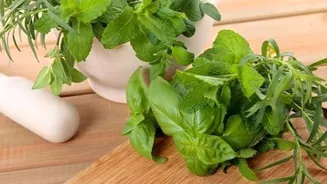
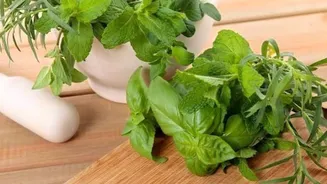
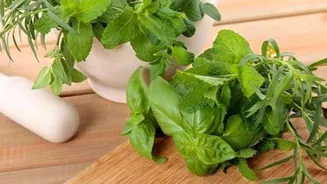
A dish this fresh deserves a finish to match. A generous scattering of freshly chopped basil is the classic choice, and for good reason. Its sweet, peppery notes are a perfect match for lemon and garlic, adding a burst of color and aroma that elevates the entire experience. If you don't have basil, fresh parsley is another excellent option, offering a clean, green flavor that complements the sauce beautifully. This final touch isn't just for looks; it provides a fresh contrast that cuts through the richness of the cream and makes the whole dish sing. It’s the final flourish that turns a great meal into an unforgettable one.