







The Final Lap Begins
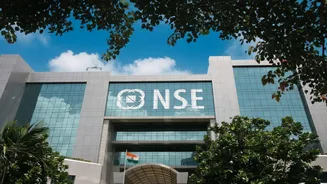
The long-awaited initial public offering (IPO) for the National Stock Exchange of India seems to be entering its final phase. According to multiple reports, the exchange is preparing to kick off international and domestic roadshows as early as mid-July.
These meetings with institutional investors across global financial hubs like London, New York, Singapore, and Hong Kong are a crucial precursor to any major listing. A roadshow is essentially a sales pitch, where the company's management presents its financial health, business model, and growth prospects to large investors to gauge interest and build demand. This process is vital for determining the final offer price and ensuring a successful launch, which is tentatively scheduled for September 2026.
A Landmark Market Event
The scale of the NSE's public offering is immense, positioning it as a landmark event for Indian capital markets. The IPO is expected to be valued at over ₹5 lakh crore, with an issue size of around ₹30,000 crore (approximately $3 billion). If successful, it could surpass the record set by Hyundai India's IPO in 2024 to become the country's largest-ever public listing. The offering is structured as a complete Offer for Sale (OFS), meaning the exchange itself isn't raising new capital. Instead, existing shareholders—a list that includes major players like State Bank of India, other banks, insurance companies, and global investment funds—will be selling a collective stake of around 6%. Notably, LIC, the exchange's largest single shareholder, plans to retain its entire stake.
A Decade of Delays and Drama
The journey to this IPO has been anything but smooth. The NSE first filed its draft prospectus back in 2016, but the plan was derailed by a significant governance crisis known as the co-location scam. Allegations emerged that the exchange had provided preferential access to its trading systems for certain high-frequency traders, allowing them to get price data milliseconds ahead of the broader market. This triggered a multi-year investigation by the market regulator, the Securities and Exchange Board of India (SEBI), leading to hefty penalties, a temporary ban on accessing the capital markets, and a major overhaul of the exchange's leadership and governance structures. The regulatory scrutiny and legal battles effectively put the blockbuster IPO on ice for nearly a decade.
Why the Green Light Now?
The revival of the IPO plan in 2026 is the culmination of years of corrective measures and regulatory negotiations. The NSE has worked extensively to strengthen its compliance and governance frameworks to regain the regulator's confidence. A pivotal moment came on February 6, 2026, when the NSE's board approved the IPO proposal after receiving a crucial no-objection certificate (NOC) from SEBI. This clearance signalled that the regulator was finally satisfied with the steps taken to address the legacy issues. Furthermore, the exchange has been working towards settling the outstanding legal cases related to the co-location affair, clearing the final hurdles for the listing to proceed.
What Investors Should Watch Next
With roadshows imminent, the next few months will be critical. The feedback from large institutional investors will help the consortium of nearly 20 investment banks managing the deal to finalize the IPO's price band. Following the roadshows, the exchange will allocate shares to anchor investors before opening the issue to the public. For retail investors, the listing of India's largest and most dominant stock exchange—which handles over 90% of the country's cash market turnover and is the world's largest derivatives exchange by volume—presents a unique opportunity to own a piece of the core infrastructure of India's financial system. However, the final launch and its success will still depend on prevailing market conditions and investor appetite at the time of the offering.