



The Dark Side of a Dream Encounter
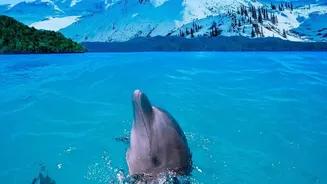
Dolphin watching is a massive global industry, bringing joy to millions and income to coastal communities. However, the very thing that makes it popular—the desire for a close-up view—can cause significant harm. Studies show that the presence of tourist
boats can disrupt dolphins' natural behaviours. For instance, a recent study on Indian Ocean humpback dolphins off Goa’s coast found that when tourist boats were present, the animals spent less time socialising and foraging for food. This disruption to feeding, resting, and nursing can have long-term consequences for their health, reproductive success, and survival. In some areas, an informal "no dolphin, no payment" policy has even led to operators chasing dolphins to guarantee a sighting, causing immense stress to the animals.
Why Speed and Sound Matter
High boat speeds and loud engine noises are two of the biggest threats. Fast-moving boats can lead to physical injuries or even death from collisions and propeller strikes. But the invisible threat of underwater noise is just as damaging. Dolphins rely on sound to navigate, find food, communicate, and detect predators. The noise from boat engines, especially the high-frequency sounds from speedboats, can mask these vital signals. This forces dolphins to change their vocal patterns to be heard, expending extra energy and causing stress. Imagine trying to have a conversation next to a loud construction site; this is the reality for dolphins surrounded by noisy, fast-moving vessels. Slower speeds not only reduce the risk of collision but also lower engine noise, creating a less stressful environment for the animals.
The Mark of a Trained Professional
A responsible tour starts with a responsible operator. Trained guides are more than just boat drivers; they are interpreters of the marine world. They understand dolphin behaviour and can spot signs of distress, such as rapid changes in direction or longer dive times. A professional will know to approach a pod slowly from the side, never head-on or from behind, and will travel parallel to the animals without boxing them in or separating mothers from their calves. They respect distance guidelines—often maintaining at least 50-100 metres—and will limit viewing times to around 30 minutes to minimize disturbance. Importantly, they will never chase, herd, or encircle dolphins. Their goal is to facilitate a respectful observation, not force an interaction.
How to Choose an Ethical Dolphin Tour
As a tourist, your choices have power. You can support responsible practices by looking for a few key indicators. First, research the operator beforehand. Do they advertise their commitment to wildlife-viewing guidelines? Look for certifications from conservation organisations. A reputable operator will never guarantee a sighting, as they know dolphins are wild animals with their own agendas. Some may even offer a free future trip if no dolphins are seen, showing they prioritise animal welfare over a quick profit. Small group sizes are generally better, as fewer boats cause less stress. The best tours often provide an educational component, teaching you about the dolphins and their habitat, making the experience richer and more meaningful.
Your Role on the Water
Once on the boat, your behaviour also matters. Keep your voice down and avoid making sudden loud noises that could startle the animals. Resist the temptation to touch or feed the dolphins; feeding them is harmful and illegal in many places, as it disrupts their natural hunting behaviours. Trust your guide's expertise. They know how to position the boat for a great view without causing harm. By being a patient and respectful observer, you allow for a more natural and rewarding encounter. The dolphins themselves will dictate the interaction, and if they are curious, they may approach the boat on their own terms.