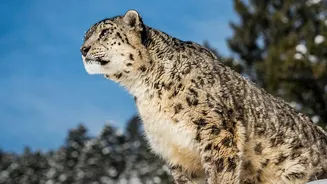





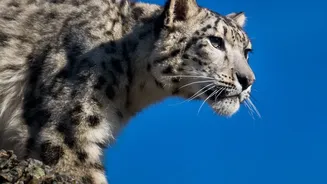
The Rush for the 'Ghost of the Mountain'
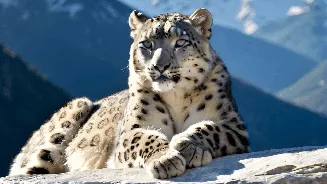
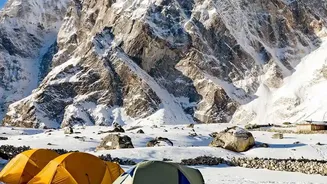
For years, snow leopard tourism, particularly in regions like Ladakh and Himachal's Spiti Valley, has been a growing industry, though largely informal. Drawn by the allure of the elusive predator known as the 'Ghost of the Mountain', tourists have flocked
to these remote areas, creating a vital source of income for local communities. This boom has been driven by local guides, homestay owners, and small operators who have turned the presence of the cat from a threat to livestock into a valuable asset. However, this unregulated growth comes with risks: potential disturbance to the fragile high-altitude ecosystem, overcrowding, and the danger of illegal off-roading. The need for a more structured approach has become increasingly clear to balance the economic benefits with the long-term well-being of the snow leopards and their habitat.
Ladakh's New Blueprint for Eco-Tourism
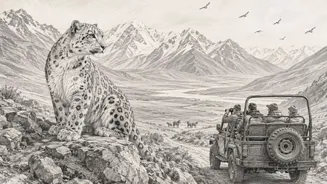
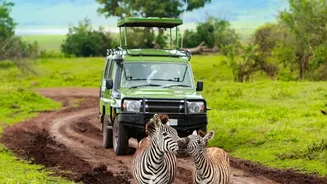
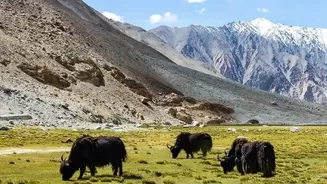
In a significant move, authorities in Ladakh have approved a new initiative to formalise this sector. In August 2026, the newly formed Snow Leopard and High-Altitude Nature (SHAN) Conservation Society greenlit a project to launch India's first high-altitude wildlife safari. The plan involves creating guided jeep safaris along specific snow leopard and birdwatching trails. The goal is to channel tourism into a more controlled and sustainable model, similar to established national parks like Kaziranga or Ranthambore. By using trained local drivers and guides in designated vehicles, the project aims to curb illegal off-roading that disturbs wildlife and to enhance the overall visitor experience. Ladakh is home to an estimated 477 of India's 718 snow leopards, making it a critical landscape for the species' survival.
Benefits for Communities and Conservation
The core of this new project is community partnership. The initiative seeks to make local communities equal partners in both conservation and the economic benefits that arise from it. The plan includes training 20 local youths in birdwatching and guide skills, establishing birdwatching hides, and creating wildlife clubs in 50 schools to foster a new generation of conservationists. Furthermore, the project aims to support women artisans in creating wildlife-themed souvenirs and to develop a robust waste management system with hundreds of new bins across dozens of villages. By formalising the industry, the project intends to ensure that revenue generated from tourism directly supports local livelihoods and conservation efforts, making the snow leopard worth more alive than dead to the people who share its habitat.
Navigating the Path Forward
While the project holds immense promise, its success will depend on careful implementation. The challenges are significant in such a remote and ecologically sensitive region. Key to the plan's success is identifying official safari routes within protected areas like Hemis National Park and the Karakoram Wildlife Sanctuary. Enforcement of rules will be crucial to prevent the very problems of disturbance and habitat damage that the project aims to solve. There is also the broader challenge of managing tourist expectations; snow leopard sightings are never guaranteed and often require long waits in harsh conditions at high altitudes. Tour operators and guides will need to continue educating visitors, expanding the focus beyond just the snow leopard to encompass the entire unique ecosystem, its culture, and its history.