

The Science of Sun Protection
Commercial sunscreens provide protection that is measured and verified. The Sun Protection Factor (SPF) on a label tells you how well the product protects against UVB rays, the primary cause of sunburn. A 'broad-spectrum' label confirms it also protects against UVA
rays, which contribute to premature aging and skin cancer. These ratings aren't guesses; they are the result of rigorous, standardized testing on human volunteers in laboratory settings to ensure the product performs as claimed. Homemade recipes, often found on social media, have not undergone this mandatory testing, making any claims about their effectiveness purely speculative and unreliable.
The Challenge of Even Dispersion
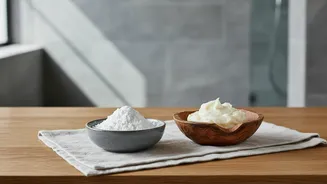
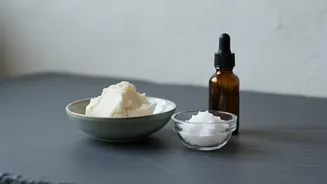
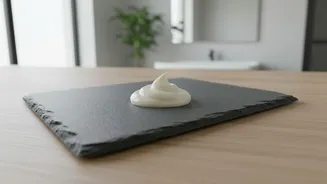
One of the biggest hurdles in sunscreen formulation is achieving an even distribution of UV-blocking ingredients. Most DIY recipes use mineral filters like zinc oxide or titanium dioxide. In a commercial lab, manufacturers use high-shear mixers and specialized equipment to ensure these mineral particles are uniformly dispersed throughout the cream or lotion. Without this, the particles tend to clump together, even if the clumps are invisible to the naked eye. An uneven mixture means you'll have patches of unprotected skin, even if you apply the product liberally. It's like having a shield full of holes—you might feel covered, but you are still vulnerable to UV radiation.
Stability and Preservation Problems
A sunscreen needs to remain effective from the moment it's bottled to when it's applied to your skin, even after being exposed to heat and sunlight. Commercial formulations contain stabilizers and preservatives to prevent the active ingredients from degrading and to stop the growth of harmful bacteria and fungi. Many DIY recipes, especially those promoting an 'all-natural' approach, omit these crucial components. A homemade product can separate or become contaminated over time, rendering it not only ineffective but potentially irritating or harmful to the skin. This lack of stability means a cream that seemed fine one week could offer zero protection the next.
The Myth of Natural Oils
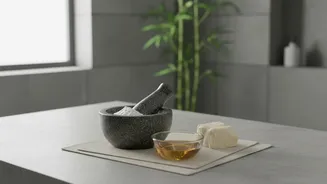
Many online recipes suggest that natural oils like coconut, carrot seed, or raspberry seed oil provide significant sun protection. This is a dangerous misconception. While some plant oils may have antioxidant properties, their inherent SPF value is negligible, often estimated to be between 1 and 8, which is far below the minimum SPF 30 recommended by dermatologists. Relying on these oils for sun protection provides a false sense of security and can lead to significant sun damage. Some dermatologists warn that applying oils to the skin in the sun can even enhance UV penetration, doing more harm than good.
The Expert Consensus Is Clear
Dermatologists and skin cancer organizations are united in their advice: do not rely on homemade sunscreen. The American Academy of Dermatology explicitly warns that these products are not proven effective and leave users vulnerable to sunburn, premature skin aging, and skin cancer. The risks associated with an untested, unstable, and unreliable product far outweigh any perceived benefits of making it yourself. While a DIY project can be fun for many things, sun protection isn't one of them. The cost of a failed DIY project could be a severe sunburn or, worse, an increased lifetime risk of skin cancer.