


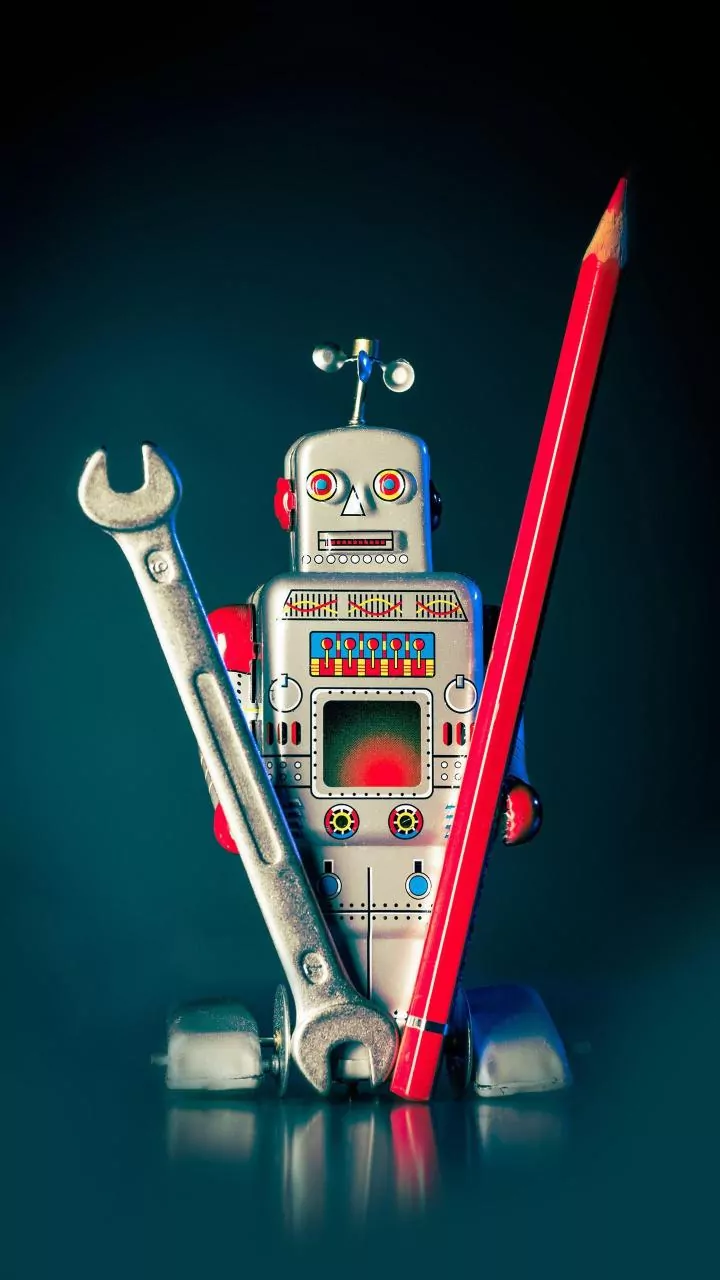





More Than Just Child's Play
The term 'kidult' describes adults who purchase toys, games, and collectibles for their own enjoyment, not for children. This trend is a significant economic force, primarily driven by Millennials and Gen Z. According to a recent Harris Poll, 80% of adults have
done something playful for their own enjoyment in the past year, with that number climbing to 94% for Gen Z. This isn't just about revisiting old memories; it's a multi-billion dollar market. In 2023, the 18+ segment accounted for roughly $6.7 billion in toy sales in the U.S., an 8% increase from the previous year. Brands like LEGO, Mattel, and Funko are leaning in, with LEGO reporting that adults now make up 25% of its sales and launching an 'Adults Welcome' category.
The Powerful Pull of Nostalgia
So, what’s driving this phenomenon? The primary engine is nostalgia. Collecting allows adults to reconnect with positive childhood memories, offering an escape from modern pressures. Many collectors seek out toys they had, or wished they had, as children. This emotional connection is a powerful motivator. In one survey, 66% of Gen Z and Millennial kidults called the practice a main form of self-care, with many saying it makes them feel more hopeful when the world feels heavy. This search for comfort and joy has created a thriving ecosystem where physical items serve as tangible links to a simpler past.
When Passion Meets Price Hikes
While the hobby brings joy, it also comes with increasingly adult-sized price tags. The cost of high-end collectibles has surged, with it becoming common for single figures to cost hundreds of dollars. This inflation is driven by several factors: limited editions, convention exclusives, and a booming secondary market where resellers flip items for a significant markup. The 'thrill of the hunt' for a rare item is a core part of the experience, but it also fuels intense competition and drives prices higher. Scarcity, whether real or manufactured, is a key determinant of value. An item with a limited production run can quickly become a high-demand 'grail' piece, commanding prices far beyond its original retail cost.
The Collector's Dilemma: Hobby or Investment?
The rising costs have blurred the line between hobby and investment. Some collectors see their purchases as a potential financial asset, hoping their rare finds will appreciate over time. And in some cases, they do. A sealed, retired LEGO set can increase in value by 10-15% annually, and a rare vintage Star Wars figure once sold for over $185,000. However, treating collectibles as a reliable investment is risky. The market is volatile and dependent on trends. The recent financial troubles of Funko serve as a cautionary tale. Overproduction saturated the market, causing the resale value of most common Funko Pop figures to plummet and forcing the company to dispose of millions of dollars in unsold inventory. For every high-value success story, there are countless items that lose value the moment they leave the store shelf.
Navigating the Financial Pressures
The high stakes are forcing collectors to become more financially disciplined. Many now use spreadsheets and budgeting apps to track their spending and avoid overextending themselves on what is, for most, a discretionary expense. The distinction between 'can't afford' and 'too expensive' is crucial. A collector might spend the same amount of money on five cheaper figures as they would on one premium item. This is a conscious decision about value, not necessarily an issue of affordability. However, the pressure to keep up with new releases and secure must-have items can lead to financial stress. The joy of the hobby is at risk when the cost becomes a source of anxiety rather than a manageable expense for a beloved pastime.