



Tokyo's Tremendous Risk
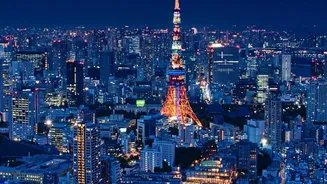
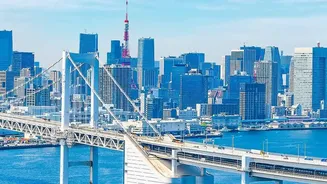
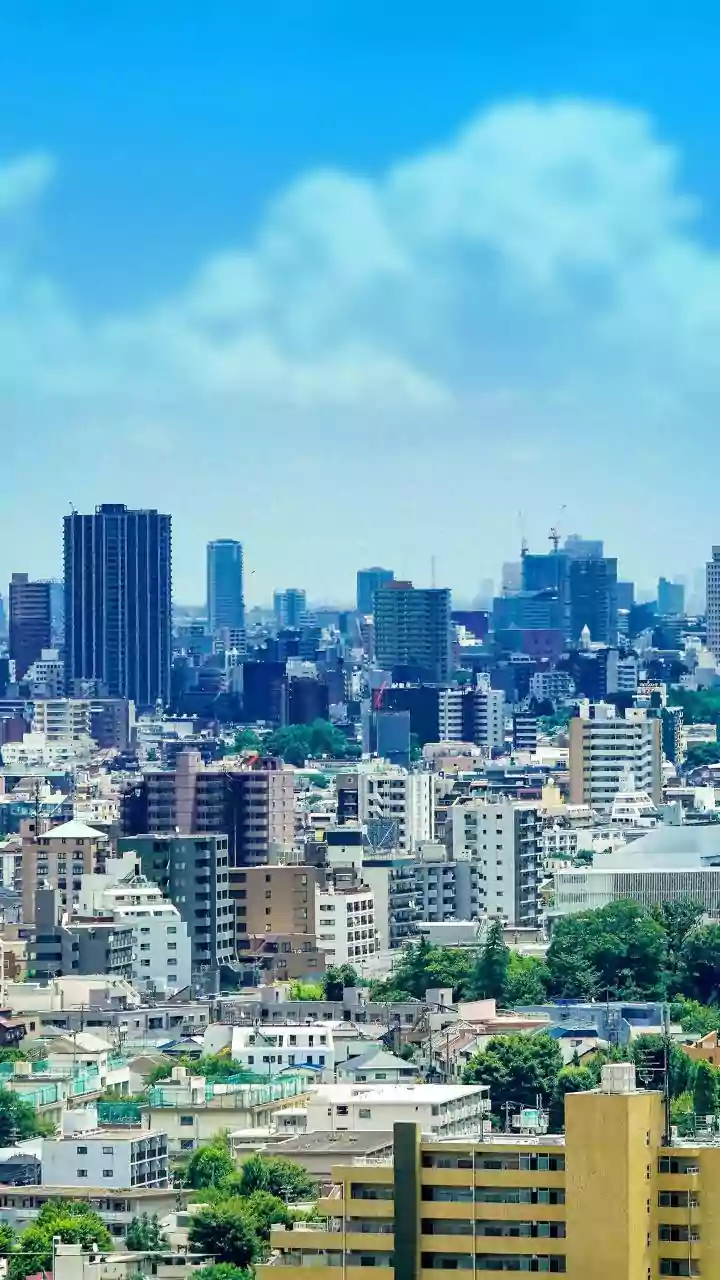
Japan sits on the Pacific Ring of Fire, making it one of the most seismically active countries in the world. The concentration of its political, economic, and cultural life in one megacity, Tokyo, presents a significant vulnerability. The Japanese government
estimates there is a 70% probability of a magnitude-7 class earthquake striking the Tokyo metropolitan area within the next 30 years. Such a disaster could instantly incapacitate the nation's entire administrative and financial core, including the Prime Minister's office, government ministries, and the stock exchange, potentially triggering a global economic crisis. This existential threat is the primary driver behind the urgent search for a backup capital, a city that can ensure the continuity of government if Tokyo is paralyzed.
The Compelling Case for Osaka
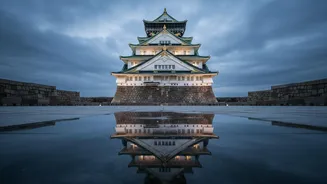
Located about 400 kilometers from Tokyo, Osaka has long been promoted as the most logical choice for a secondary capital. As Japan's third-largest city, it already possesses much of the necessary infrastructure. It is an economic powerhouse in its own right, with a GDP second only to Tokyo's, robust transportation links like the Kansai International Airport and Shinkansen bullet train network, and a wealth of universities and research institutes. Proponents argue that establishing Osaka as a backup would not only enhance disaster resilience but also help correct the over-concentration of economic and political power in Tokyo, fostering more balanced national growth. This vision sees Osaka becoming a twin hub, capable of supporting Japan's needs both in crisis and in daily life.
A Move Mired in Politics
Despite the logical arguments, the push for Osaka is deeply entangled in politics. The recent bill promoting the creation of a sub-capital, which passed in July 2026, was championed by the Japan Innovation Party (JIP), a political force with its stronghold in Osaka. This has led many opposition lawmakers to criticize the legislation as the "Osaka Special Treatment Act," arguing it is designed to funnel investment and benefits to the JIP's home base. The bill passed by a very narrow margin in the upper house, signaling significant political resistance. This political dimension complicates what should be a straightforward national security decision, turning it into a contentious partisan issue.
The Practical and Financial Hurdles
Beyond politics, the practical and financial challenges are immense. The cost of creating a fully functional backup capital has not been officially estimated, but it would be astronomical. This involves more than just a title; it would require building duplicate government facilities, secure data centers, and infrastructure capable of supporting a relocated administration. Furthermore, there is debate over whether such a massive investment is the most effective approach. Some argue a more decentralized, digital-first continuity plan would be more cost-effective. There are also economic realities to consider. For over 40 years, Osaka has seen a net outflow of companies, many of them relocating to Tokyo. Critics question whether a government designation alone can reverse this powerful economic trend. While cities like Fukuoka, Nagoya, and Sapporo have also expressed interest, they face similar hurdles in competing with Tokyo's gravitational pull.