




A Feathered Delegation Arrives
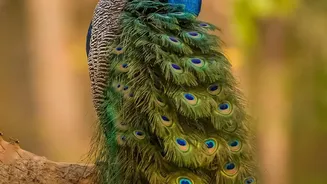
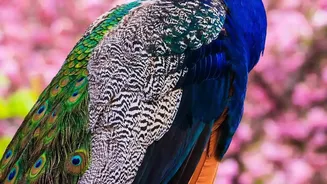
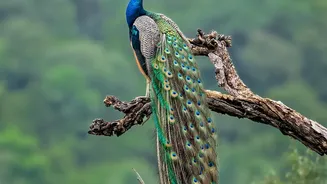
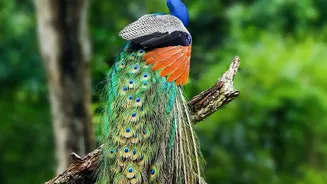
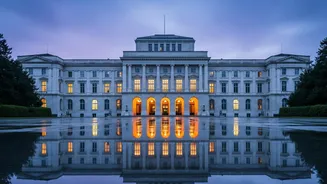
In early August 2026, the UN's European headquarters at the Palais des Nations in Geneva welcomed five new residents. This was not a group of diplomats, but a muster of young Indian peacocks, a formal gift from the Government of India. The new arrivals
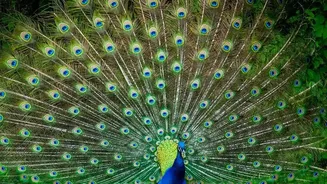
consist of four vibrant blue peacocks and one rare, striking white male. The colours were a deliberate choice, with UN Geneva Director-General Tatiana Valovaya noting they reflect the "typical United Nations colours: blue and white". The peacocks were presented by India's Permanent Representative, Ambassador Arindam Bagchi, in a special ceremony that celebrated the deep ties between India and the UN. For now, the birds are settling into a specially prepared aviary to acclimate to their new environment before they are allowed to roam freely across the expansive Ariana Park that houses the UN complex.
Reviving a Historic Tradition
This gift is more than just a beautiful addition to the scenery; it's the revival of a cherished tradition. Peacocks have graced the grounds of Ariana Park for over a century, a legacy that predates both the United Nations and its predecessor, the League of Nations. The tradition began when the original owner of the estate, Gustave Revilliod, bequeathed the land to the city of Geneva in 1890 with the condition that peacocks could always roam freely there. India first cemented its connection to this legacy in 1981, when then-Prime Minister Indira Gandhi gifted a breeding pair of Indian peafowl from the Delhi Zoo. For decades, their descendants were a familiar sight, but over time their numbers dwindled. This new gift of five young males ensures that the historic and beloved tradition will continue for a new generation.
A Symbol of Indian Heritage
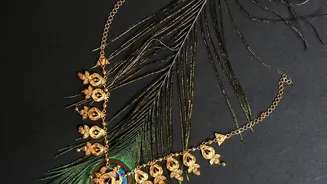
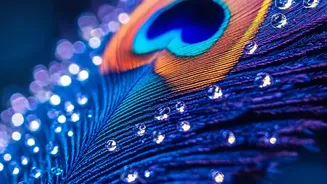
For India, the peacock, or Mayura, is not just any bird; it is the national bird, designated in 1963. It is a creature woven deeply into the country's cultural, religious, and artistic fabric. In Hinduism, the peacock is associated with several deities, including Lord Krishna, who wears its feather in his crown, and Kartikeya, the god of war, who uses it as his vehicle. It symbolizes beauty, grace, prosperity, and even eternal time. Keeping peacock feathers at home is believed to bring good luck and ward off negative energy. This deep-rooted significance makes the presence of these birds at the UN a powerful form of cultural diplomacy, representing India's rich biodiversity and heritage on a global stage.
Feathered Ambassadors of Peace
The peacocks of the Palais des Nations have long been seen as unofficial ambassadors. In 1954, during the height of the Cold War, a peacock famously climbed onto a Soviet delegation's car, delighting photographers and earning the nickname "the Geneva dove" in the press. Today, these birds continue to offer a touch of natural serenity amidst the high-stakes world of international relations. Cared for by the park's gardeners and overseen by the director of the Geneva Bioparc, the birds live in what is described as a "dream habitat" with old trees, lawns, and gardens. The arrival of this new group, transported with care in a modified ambulance, underscores a commitment to both diplomatic tradition and environmental stewardship. The Indian mission stated the gesture represents the country's "enduring commitment to the conservation of biodiversity."