







A New Chapter in Space History
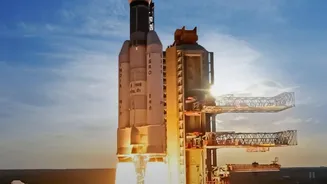
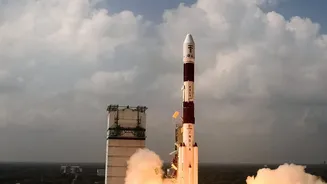
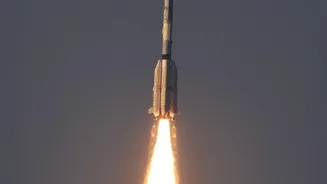
On a Saturday morning in mid-July, the Vikram-1 rocket thundered off the launch pad at the Satish Dhawan Space Centre in Sriharikota. The mission, aptly named 'Aagaman' or 'arrival', successfully placed multiple small satellites into a low Earth orbit
some 450 kilometres above the planet. This was not just another launch; it was a historic moment. With this single flight, Hyderabad-based Skyroot Aerospace became India’s first private company to design, build, and launch a rocket into orbit. More impressively, they joined a very exclusive global club of private companies that achieved this feat on their very first attempt, making India the third nation with private orbital launch capability, after the US and China.
The Dream of Two Ex-ISRO Scientists
The architects of this success are Pawan Kumar Chandana and Naga Bharath Daka, two former scientists from the Indian Space Research Organisation (ISRO). Having worked on some of India's most prestigious rocket programs, they shared a vision that went beyond their secure government jobs. In 2018, long before government reforms officially opened the space sector, they left ISRO to found Skyroot Aerospace. Their goal was ambitious yet simple: to make space accessible, affordable, and on-demand, much like booking a flight. Chandana, the company's CEO, and Daka, its COO, combined their technical expertise to build a company from the ground up, one that would eventually grow to over 1,000 employees.
Fueling the Rocket, One Rupee at a Time
Building rockets is incredibly capital-intensive, and the path from a drawing board to a launch pad is paved with financial challenges. With no experience in fundraising, Chandana famously started by Googling 'what is a term sheet' and sending cold messages on LinkedIn. Their journey began with an early seed investment from Myntra founder Mukesh Bansal in 2018. This was followed by a series of funding rounds, attracting strategic investors like GIC, Singapore's sovereign wealth fund, and early Google investor Ram Shriram. By May 2026, the company had raised significant capital, achieving a valuation that made it India's first space-tech unicorn. This financial backing was crucial, validating their high-risk, long-gestation venture and providing the fuel to turn their engineering dreams into reality.
Why This Launch Matters for India
Skyroot's success is more than just a corporate milestone; it's a pivotal moment for India's entire economy. For years, the Indian space economy, valued at around $9 billion, has been dominated by downstream applications like satellite services. The 'upstream' sector of building and launching rockets was largely a government monopoly. Vikram-1's launch shatters that paradigm. It signals to global investors that India's private space industry is not a high-risk gamble but a competitive and bankable sector. This breakthrough is expected to accelerate the entire ecosystem, empowering dozens of other startups working on satellites, propulsion systems, and data technologies, creating jobs and fostering innovation.
What's Next on the Horizon?
The Aagaman mission was a test flight, a crucial data-gathering exercise to prepare for commercial operations. The company is already well-funded for the next two years and plans a series of launches to establish reliability before scaling up. The ultimate goal is to increase launch frequency significantly, with the CEO expressing an ambition to eventually launch one rocket per month. The Vikram-1 is just the beginning. Skyroot is also developing the Vikram-II, a more powerful rocket featuring an advanced cryogenic engine, slated for 2027. This will allow them to carry heavier payloads, further strengthening India's position in the multi-billion dollar global small satellite launch market.