



The Perennial Problem of Peak Travel
Travel between major Indian cities is a constant tug-of-war between supply and demand. Routes like Mumbai-Pune, Delhi-Jaipur, and Bengaluru-Chennai are lifelines for business commuters, students, and families. Yet, securing a confirmed seat, especially
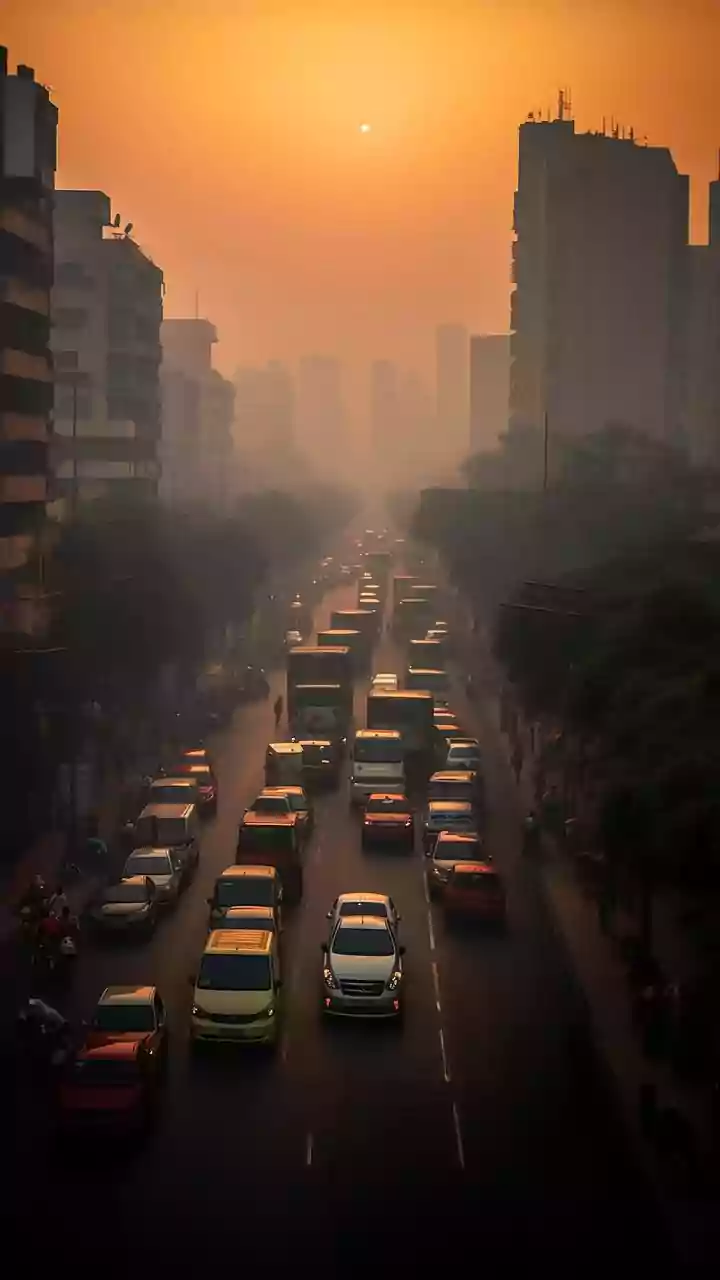
during festivals or long weekends, can feel like winning a lottery. The system is strained, with booking websites crashing under pressure and waitlisted tickets causing widespread anxiety. This isn't just an inconvenience; it's a systemic challenge. According to official data, automated bots often account for a huge percentage of online booking requests, making it even harder for genuine passengers to get through. The result is a travel ecosystem where demand consistently outstrips the available capacity on regular services, forcing many to turn to more expensive or less convenient road travel. The Mumbai-Pune corridor, for instance, remains one of the country's busiest, with a significant number of travellers opting for road transport despite the availability of trains.
Enter the Festival Special
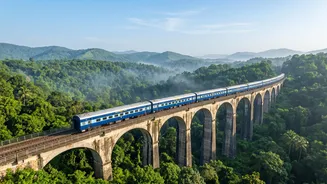
Into this congested landscape, Indian Railways periodically introduces 'special' trains. These are not part of the regular timetable but are deployed to handle anticipated surges in traffic, such as during the summer holidays or major festivals like Diwali and Ganesh Chaturthi. For instance, to manage the recent festive rush, hundreds of special train trips were announced across the country, offering tens of thousands of additional berths on critical routes. These services are often planned months in advance and are a massive logistical exercise, aimed at providing relief to millions. They might feature different coach compositions or run on slightly altered schedules, but their primary goal is simple: add capacity where it's needed most. These are not just token gestures; in 2025, the railways operated over 43,000 special trips to manage peak demand. While they ease the immediate pressure, their true significance often goes unnoticed.
More Than Just an Extra Train
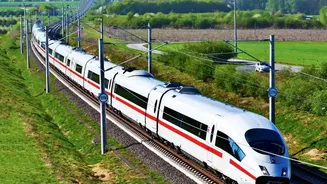
A temporary special service, particularly a premium one like a Vande Bharat Express, does more than just transport people. It acts as a real-world, large-scale experiment. When a special train on a route like Mumbai-Pune shows high occupancy rates, it provides invaluable data. It signals a clear, unmet demand not just for more seats, but for a certain quality of service—speed, comfort, and reliability—that passengers are willing to pay for. The success of Vande Bharat trains nationwide has already shown this, with some services reducing travel times by 40-50%. These temporary runs test the operational feasibility of new services without the commitment of a permanent schedule. They reveal passenger preferences and willingness to pay, helping railways officials build a business case for future investments. High demand for a temporary special can justify adding permanent coaches to existing trains or, more importantly, introducing new, faster services on that corridor.
A Blueprint for Future Connectivity?
The lessons learned from these temporary services should not be temporary themselves. They offer a blueprint for smarter, more responsive public transport planning. If a special Vande Bharat sleeper service between two cities proves overwhelmingly popular during a one-month run, it's a strong indicator that a permanent overnight service could be commercially viable and a huge win for passengers. This approach allows for dynamic, data-driven decision-making. Instead of relying solely on historical data and static surveys, transport authorities can use these limited-run services as agile pilot programs. They can test new pricing models, service timings, and train types in a low-risk environment. For passengers who constantly demand better connectivity, such as hourly services on the Pune-Mumbai route, the success of a temporary special provides concrete evidence to support their calls for permanent upgrades. It shifts the conversation from "we need more trains" to "this specific type of train, at this time, is what the public wants and will use."