






From Tourist to Participant
For years, a successful holiday was often measured by a checklist of landmarks visited. But a new travel philosophy is taking hold, one that prioritises active participation over passive observation. Experiential travel, as it's known, is about immersing
yourself in a destination's culture, history, and daily life. It’s the difference between seeing a photo of a vineyard and actually spending a week learning the art of winemaking from a local family. This trend, driven by a desire for authenticity and personal growth, is reshaping how we plan our getaways, with travellers increasingly building trips around what they want to feel and learn, not just what they want to see.
The Rise of the 'Skilliday'
One of the most concrete manifestations of this trend is the ‘skilliday’—a holiday designed around learning something new. Recent studies show a remarkable surge in travellers, particularly younger generations like Gen Z and Millennials, booking trips to acquire new abilities. The options are endless: culinary workshops with local chefs in Rajasthan, pottery classes in the Himalayan foothills, or learning to surf on the coasts of Goa. According to a 2026 Mastercard survey, over half of travellers feel a trip is more meaningful when they learn something new, and many see a new skill as a more valuable memento than a traditional souvenir. This indicates a profound shift where the journey becomes an opportunity for enrichment that lasts long after returning home.
Journeys for the Mind and Soul
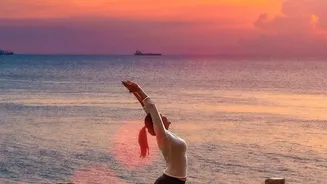
Wellness is no longer a simple add-on; it's becoming the central purpose of travel for many. Indian travellers are increasingly prioritising fitness, sleep, and stress relief over conventional sightseeing. This has given rise to transformative travel centred on mental and spiritual well-being. Think of silent retreats in Bhutan, yoga and Ayurveda-focused journeys in Kerala, or digital detoxes in secluded nature resorts. These trips are designed to help people disconnect from the noise of daily life and reconnect with themselves. By 2027, this focus on holistic well-being is expected to be a major driver, with travellers seeking environments that support rest and personal recalibration throughout their entire stay.
Music, Culture, and 'Gig-Tripping'
A powerful and growing form of experiential travel is 'gig-tripping', where entire holidays are planned around attending a concert or music festival. This trend, amplified by the massive global tours of artists like Taylor Swift, has seen fans travel internationally for the chance to see their favourite acts, often combining the show with a city break. This is especially popular among Gen Z and Millennial travellers, with some reports showing that as many as 75% of Gen Z travellers plan trips for festivals and gigs. This phenomenon highlights a desire to be part of a larger cultural moment, transforming a single event into a multi-day, immersive travel experience.
Connecting with Communities
The search for authenticity is also leading travellers toward community-based tourism, which is projected to become a multi-trillion dollar market by the early 2030s. This model focuses on the active involvement of local communities in managing tourism, ensuring that the economic benefits stay local. For the traveller, it offers a genuine glimpse into a different way of life, far from the crowded tourist hubs. This can involve staying in locally-run inns, participating in long-term community projects, or learning about heritage crafts directly from artisans. This approach not only provides a more meaningful connection for the visitor but also fosters sustainable development and cultural preservation for the host community.