


An Ambitious Goal
The tourism target for Phu Quoc is nothing short of audacious. For 2026, the island aims to welcome 8.5 million tourists, including two million international visitors. This goal was set at the beginning of the year after a booming 2025 that saw 8.3 million arrivals,
surpassing initial targets. The rapid pace is already evident. In the first seven months of 2026 alone, the island welcomed an estimated 6.8 million visitors, achieving nearly 69% of its annual target ahead of schedule. This included a massive 53% year-on-year jump in international arrivals, which topped 1.5 million in the same period.
The Engine of Unprecedented Growth
This explosive growth isn't accidental; it's fueled by what one industry executive described to Fortune magazine as a pace of infrastructure investment “not seen in any other country, even in the Middle East.”. The upcoming APEC 2027 summit, which Phu Quoc will host, has acted as a powerful catalyst, fast-tracking 21 key infrastructure projects. These include a significant expansion of Phu Quoc International Airport, upgrades to major arterial roads, and even the development of a new light rail system. This is coupled with a uniquely favorable 30-day visa exemption policy for all international visitors, a rare advantage that significantly lowers the barrier to entry for global tourists.
Beyond the Beach: A New Tourism Ecosystem
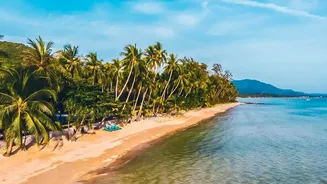
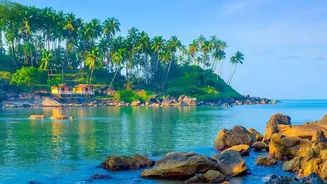
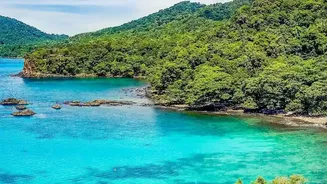
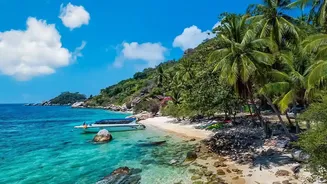
While pristine beaches like Bai Kem and Bai Sao remain a core attraction, Phu Quoc is rapidly diversifying its offerings to build a complete tourism ecosystem. Large-scale private investment from giants like Sun Group and Vingroup has introduced a new dimension of entertainment and luxury. Visitors now have access to sprawling theme parks and wildlife safaris like VinWonders and Safari Phu Quoc, a record-breaking cable car system connecting to Hon Thom island, and a vibrant social scene in the newly developed Sunset Town, which features nightly fireworks shows. This strategy aims to do more than just attract visitors; it seeks to enhance their experience, extend their length of stay, and ultimately increase spending.
The Challenge of Sustainable Development
Such rapid development does not come without its challenges. The surge in visitor numbers, especially during peak periods, has already led to sold-out hotels and strained services, highlighting potential infrastructure bottlenecks. More critically, long-term sustainability is a major concern. Planners are aiming for a multi-center development model designed to protect the island's natural assets, with over 64% of its total area slated to remain forested. The strategy involves preserving traditional fishing villages and pepper farms, integrating local communities into the tourism economy, and implementing crucial projects like modern wastewater and garbage treatment plants to manage the environmental impact. Balancing the economic boom with the preservation of the very beauty that draws visitors in the first place remains the island's most critical test.