



Judge the Fruit by Its Weight
The most immediate advice is to trust your hands. A ripe, succulent lychee will feel surprisingly heavy for its size. This density is a clear indicator of high water content, which translates to the juicy, flavour-packed flesh the fruit is famous for.
When you hold a lychee, it should feel plump and substantial. If it feels light, hollow, or airy, it has likely begun to dehydrate. This is a common issue with older fruit, as the skin is porous and loses moisture over time. A lightweight lychee will have a smaller, sometimes shrunken fruit inside with a disappointing texture and lack of sweetness. So, when presented with a pile of lychees, pick a few up and compare them. The heavier ones are almost always the better choice.
Look for Vibrant Colour
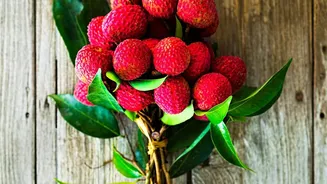
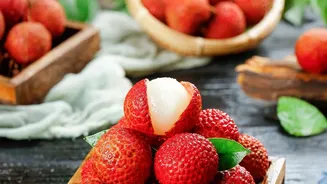
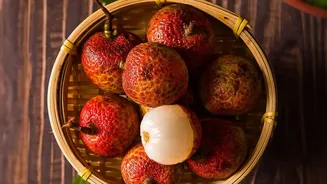
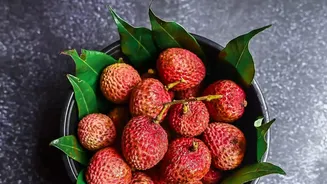
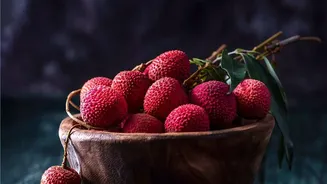
A lychee’s skin is a fantastic visual guide to its ripeness. For most common varieties, you should look for a vibrant, rich colour, which is typically a bright pink or deep red. Some varieties may have yellowish or orange hues, but the key is a bright, uniform colour. Avoid lychees that are still green, as this means they are unripe and will have a bitter or astringent taste. It’s important to know that lychees are non-climacteric, meaning they do not continue to ripen after being picked from the tree. Therefore, the fruit you buy is as ripe as it’s going to get. On the other end of the spectrum, steer clear of lychees with dull, dark brown patches or completely brown skin, as this indicates they are overripe and may have started to spoil.
The Importance of a Gentle Squeeze
Once a lychee has passed the weight and colour test, give it a gentle press. A perfectly ripe fruit will have a firm shell that gives just a little under pressure, similar to a ripe avocado or a grape. It should feel springy, not rock-hard or mushy. If the fruit is extremely hard, it's likely underripe. If it’s overly soft, squishy, or if your finger leaves a significant indentation, the fruit is overripe and the flesh inside will likely be mushy and may even be fermenting. Also, check for cracked or leaking skins, which are clear signs that the fruit is past its prime and should be avoided.
Follow the Fragrance
Don’t underestimate the power of your nose. A ripe, fresh lychee exudes a delicate and distinct floral fragrance, often with sweet, honey-like undertones. This sweet, aromatic scent is a tell-tale sign of the delicious flavour waiting inside. If you pick up a lychee and it has little to no smell, it may be old or was picked before it was fully mature. An even bigger red flag is a sour, acidic, or fermented aroma, similar to vinegar. This indicates that the fruit has spoiled and should definitely be discarded.
Storing Your Lychees Correctly
Once you’ve brought your perfect lychees home, proper storage is essential to maintain their freshness. If you plan to eat them within a day or two, they can be kept at room temperature. For longer storage, the refrigerator is your best option. Place the unpeeled lychees in a plastic bag or a sealed container; adding a paper towel can help absorb excess moisture and prevent them from becoming soggy. Stored this way, they can last for up to two weeks. The skin might start to turn brown in the cool, dry air of the fridge, but this is usually just a cosmetic change, and the flesh inside should remain juicy and flavourful. For long-term storage, you can freeze lychees whole or peeled, where they will last for months and can be enjoyed like a mini sorbet.