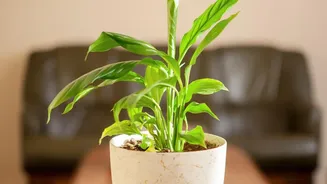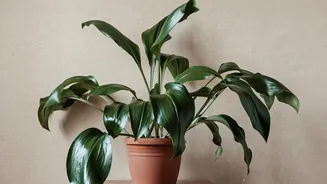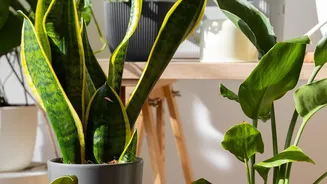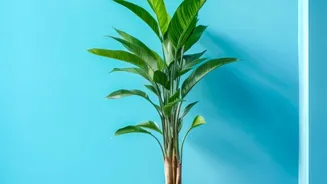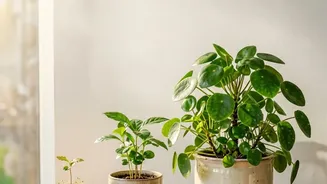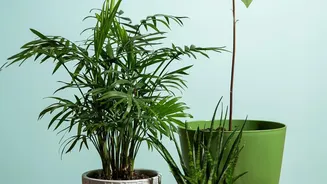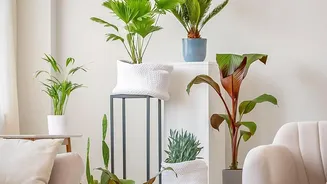







That lush monstera in the corner and the string of pearls cascading down your bookshelf do more than just look good; they make your home feel alive. Many of us brought plants indoors believing they are tiny, natural air purifiers. But is that true?
The Myth's Origin: A Famous NASA Study
The
belief that houseplants are air-purifying powerhouses largely stems from a 1989 NASA study. Researchers were looking for ways to clean the air in sealed environments like space stations. They placed common houseplants in small, sealed chambers and found that plants like peace lilies and snake plants could remove volatile organic compounds (VOCs) such as benzene and formaldehyde. The study was groundbreaking and suggested plants could be a natural solution to indoor air pollution. For decades, this idea became common knowledge, shaping how we see our leafy friends.
Reality Check: Your Living Room Isn't a Space Station
Unfortunately, the conditions of that NASA experiment don't match the reality of a typical home. The plants were in small, airtight containers, unlike our large, airy (and often drafty) rooms. More recent studies have put the original findings into perspective. A 2019 review concluded that while plants do remove pollutants, their effect in a normal home is minimal. Researchers calculated it would take anywhere from 10 to 1,000 plants per square metre of floor space to match the air-cleaning power of a building's ventilation system or simply opening a few windows. The rate at which plants clean the air is far too slow to make a noticeable difference in a dynamic home environment where pollutants are constantly being introduced and air is circulating.
The Real, Proven Benefits of Indoor Plants
So, if they're not scrubbing your air clean, what good are they? Plenty. The psychological benefits of indoor plants are well-documented and significant. Studies have shown that being around greenery can reduce stress, lower anxiety, and improve your mood. One study found that interacting with plants can reduce physiological and psychological stress by suppressing the body's 'fight-or-flight' response. Caring for plants can also provide a sense of purpose and accomplishment. They can even boost focus and productivity, making them a great addition to a home office. This connection to nature, sometimes called biophilia, is a powerful tool for well-being.
What Actually Cleans Your Air: Ventilation
If plants aren't the answer to indoor air pollution, what is? The single most effective strategy is proper ventilation. Ventilation is simply the process of exchanging stale indoor air with fresh outdoor air. This dilutes and removes pollutants that build up inside, from cooking fumes and cleaning product chemicals (VOCs) to dust and allergens. Without good ventilation, indoor air can become more polluted than outdoor air, leading to everything from headaches and fatigue to triggering asthma and allergies. Keeping the air moving prevents the buildup of moisture that leads to mould and mildew, protecting not only your health but also the structure of your home.
Simple Steps for Fresher, Healthier Air
Improving your home's air quality doesn't have to be complicated. The easiest step is to open your windows regularly to let fresh air circulate, even for just a few minutes a day. Use exhaust fans in your kitchen when cooking and in your bathroom during and after showers to remove moisture and contaminants at the source. Regularly clean and dust surfaces, and vacuum with a HEPA filter to trap fine particles. When painting or buying new furniture, look for low - VOC or zero - VOC products to reduce off - gassing. For those with significant allergies or in areas with poor outdoor air quality, a mechanical air purifier with a HEPA filter can be a worthwhile investment.