






When thousands of flights across the US were grounded on November 13, a single piece of misbehaving hardware was blamed. It's a simple explanation. But aviation and technology experts warn this narrative masks a more troubling reality.
The Day the Skies Stood Still
On the afternoon
of Friday, November 13, 2026, the US Federal Aviation Administration (FAA) took the rare step of issuing a nationwide ground stop for all departing domestic flights. For more than four hours, the system that manages the world's busiest airspace was paralyzed, causing thousands of cancellations and delays that rippled across the country for days. The official cause pointed to a telecommunications failure, but the simplicity of that answer has left many experts unsatisfied, pointing instead to deeper, more systemic issues.
The Official Story: A Faulty Router
The FAA's preliminary investigation pointed the finger at a contractor, L3Harris, which was performing routine maintenance at a facility in Arkansas. This work included replacing old copper wiring with modern fiber-optic lines and installing a new router. According to officials, this new equipment began flooding the network with data, sending about 1,000 connection attempts every few seconds, which overwhelmed older, legacy systems. This destabilized communications and radar feeds at 17 of the nation's 22 high-altitude air traffic control centers. The simple explanation was that a hardware upgrade went wrong, causing an overload. No cyberattack was suspected.
Why Experts Are Skeptical
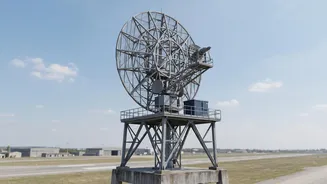
While few dispute that a network flood occurred, many experts argue that blaming a single router is a dangerously simplistic take. The bigger question they're asking is: why was a system responsible for national security and daily commerce so fragile? For years, government watchdogs and aviation analysts have warned that the FAA's infrastructure is dangerously outdated, relying on a patchwork of technology from the 1970s and 1980s. Some systems were reportedly still using floppy disks until recently. Critics point to chronic underinvestment and a slow, complex modernization process that has been plagued by delays for decades. The November 13 incident, they argue, wasn't a freak accident but an inevitable symptom of trying to graft new technology onto a crumbling, decades-old foundation.
A Brittle System of Systems
The US air traffic control network is not a single entity but a complex 'system of systems'. This web of interconnected hardware and software, some of which is no longer manufactured, has to work flawlessly together. The recent failure highlights a lack of resilience and robust backup capabilities. Experts suggest that a single point of failure—like one misconfigured router—should never be capable of bringing down the entire national airspace. The fact that it did suggests a fundamental design flaw and a failure to adequately assess the risks of modernization projects. A Government Accountability Office (GAO) report from September 2024 noted that 37% of FAA's air traffic control systems were deemed 'unsustainable'. This incident was a stress test the system was bound to fail.
Beyond a Quick Fix: A Call for Overhaul
In the aftermath, officials called for billions more in funding to accelerate modernization, with some estimates reaching $50 billion. However, some experts argue that more money alone won't solve the problem without institutional reform. They point to countries like Canada, which privatized its air navigation system in the 1990s, allowing it to be more agile in adopting new technology without being subject to the whims of government budgets. The challenge is immense: overhauling a critical, 24/7 system without causing further disruptions is incredibly difficult. But the consensus among critics is that simply patching the latest hole is no longer enough. The November 13 ground stop was a stark warning that the entire foundation needs to be rebuilt.