


The New Space Race Needs A New Playbook
The second edition of the International Conference on Spacecraft Mission Operations (SMOPS-2026), held in Bengaluru, brought together a global consortium of space agencies, including ISRO, NASA, and ESA, along with private industry leaders and startups.
While the topics were diverse, a central theme emerged: the current model of hands-on, human-intensive mission control is becoming unsustainable. With the explosive growth of satellite mega-constellations, ambitious plans for lunar bases, and eventual crewed missions to Mars, the sheer volume and complexity of operations are reaching a breaking point. Space is becoming more crowded and contested, demanding faster, more efficient, and more resilient operational frameworks. The practical lesson is that automation isn't a luxury; it's a necessity.
What is Automated Mission Control?
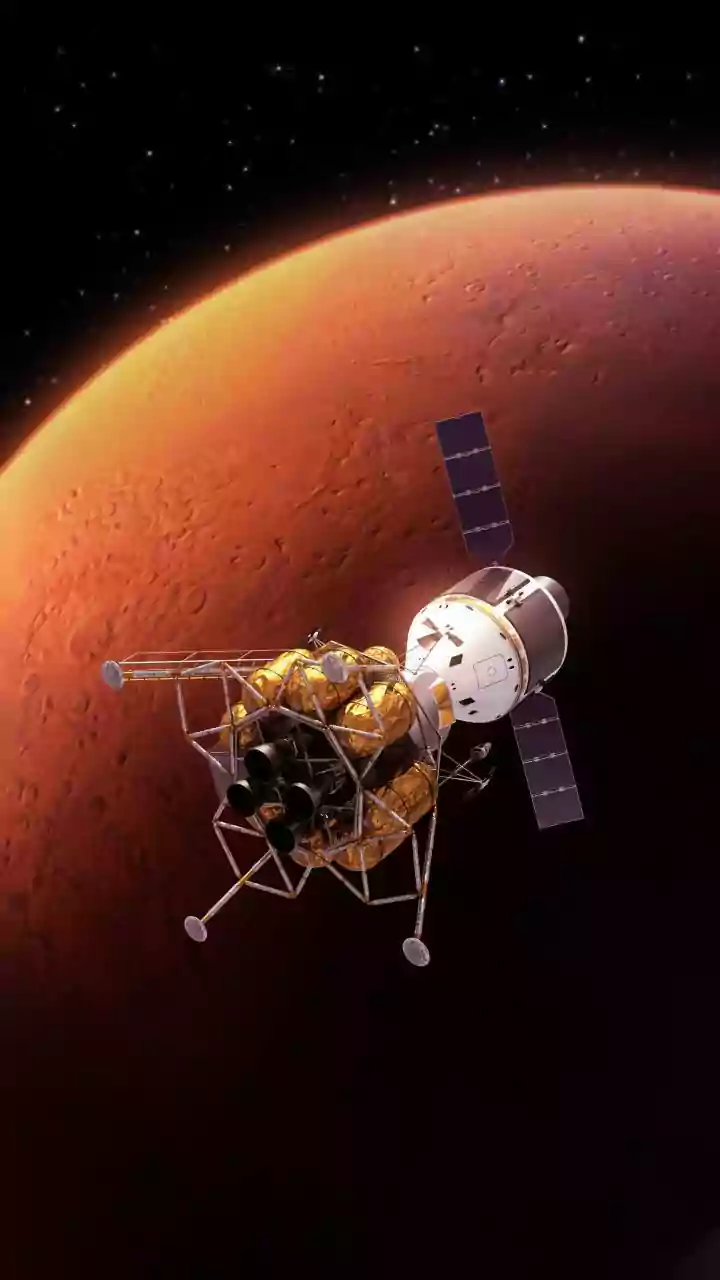
Automated mission control leverages artificial intelligence (AI) and machine learning (ML) to handle the routine, and increasingly complex, tasks of operating spacecraft. Think of it as upgrading from a manual car to a high-end self-driving vehicle. Instead of teams of human operators monitoring data streams 24/7, AI-driven systems can autonomously check a spacecraft's health, manage its systems, and even make real-time decisions without human intervention. This is particularly crucial for deep-space missions where communication delays can be minutes or even hours long, making real-time ground control impossible. An AI on board a Mars rover can navigate treacherous terrain or analyze a rock sample on its own, rather than waiting for instructions from Earth.
The Practical Benefits: More Science, Less Cost
The push towards automation, a key discussion at SMOPS-2026, is driven by clear benefits. Firstly, it drastically reduces operational costs. Fewer ground staff and more efficient use of resources mean that space missions can be run for a fraction of the traditional price. Secondly, it increases mission efficiency and scientific return. Automated systems can analyze vast amounts of data far faster than humans, identifying potential scientific targets or system anomalies in real-time. This allows spacecraft to do more science and explore more dynamically. Finally, it enables scalability. Managing a constellation of thousands of satellites, like those planned for global internet coverage, is simply not feasible with human operators alone. Automation is the only way to manage such a complex, interconnected network.
Challenges on the Final Frontier
However, handing the keys over to AI is not without its challenges. One of the biggest hurdles is trust. Space missions are high-stakes, multi-billion dollar endeavors. Mission planners need to be absolutely certain that an AI will perform reliably under all conditions, especially unexpected ones. There's no room for a 'blue screen of death' when you're trying to land on Mars. Another significant issue is cybersecurity. An AI-controlled spacecraft could be a tempting target for malicious actors, and securing these complex systems from being compromised is a top priority. Furthermore, developing AI models that can operate on the low-power, radiation-hardened processors used in space is a significant technical challenge compared to the powerful servers available on Earth.
Why This Matters for India
The insights from SMOPS-2026, held right in India's technology hub, are particularly relevant for the nation's burgeoning space ambitions. As ISRO embarks on complex projects like the Gaganyaan human spaceflight program, lunar exploration, and interplanetary missions, the need for smart, autonomous systems is paramount. Adopting AI-driven mission control can help ISRO manage its growing fleet of satellites more efficiently, enhance the capabilities of its future missions, and provide a competitive edge to the thriving ecosystem of Indian space startups. The conference highlighted the importance of global collaboration in this field, and India is well-positioned to be a key player in developing the next generation of mission operation technologies.