





Choose Healthier Fats
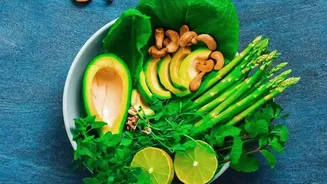
One of the simplest swaps is changing the fats you cook with. Instead of butter or lard, which are high in saturated fats, try using unsaturated vegetable oils like olive or avocado oil. These contain heart-healthy fats that can help support better cholesterol
levels. This simple change can lower your daily fat intake and support a healthier weight. You can also make swaps in dairy by choosing semi-skimmed milk or low-fat yogurts over their full-fat counterparts for cooking.
Embrace Herbs and Spices
A heavy hand with the salt shaker can contribute to health issues. A great way to reduce sodium is to explore the world of herbs, spices, and other flavourings. Instead of adding salt during cooking, experiment with garlic, ginger, turmeric, basil, or oregano to enhance the natural taste of your food. A squeeze of lemon juice or a splash of vinegar can also brighten up a dish and reduce the need for salt, and your tastebuds will adapt to the lower salt levels surprisingly quickly.
Upgrade Your Cooking Methods
How you cook is just as important as what you cook. Deep-frying adds significant fat and calories to your food. Consider healthier cooking methods like baking, grilling, steaming, broiling, or air frying. These techniques often require less oil and can still produce delicious, crispy results. For example, try baking sweet potatoes instead of frying them, or grilling meats instead of pan-frying them in butter. Removing the skin from poultry before cooking is another easy way to reduce fat.
Sneak in More Vegetables
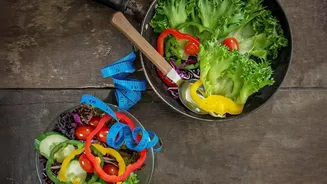
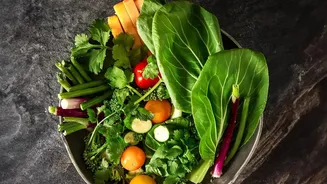
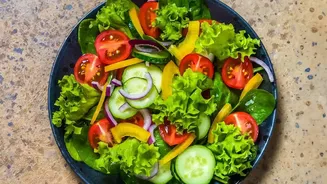
Increasing your vegetable intake is a cornerstone of healthy eating, and it's easier than you might think. You can 'sneak' vegetables into many dishes. Try adding a handful of spinach to your morning eggs, shredded zucchini or carrots into pasta sauces and meatloaf, or riced cauliflower to your sloppy joes. Bulking out stews and curries with extra vegetables or pulses like beans and lentils not only adds nutrients and fibre but also helps you feel fuller for longer.
Go for Whole Grains
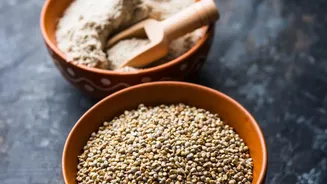
Swapping refined grains for whole grains is a powerful change that boosts your intake of fibre, vitamins, and minerals. Instead of white bread, pasta, or rice, opt for their whole-wheat or brown rice alternatives. You can start by mixing half white and half brown rice together, gradually increasing the whole grain portion. Cooking grains like quinoa or barley in a low-sodium broth can also add extra flavour without the salt.
Be Mindful of Portions
Even healthy food can contribute to weight gain if eaten in large quantities. Being mindful of portion sizes is a key habit. One simple trick is to use smaller plates, which can make a normal-sized portion appear more satisfying. It's also helpful to fill half your plate with fruits and vegetables first, which are typically lower in calories and higher in nutrients. This strategy helps ensure you're getting a balanced meal without overeating.
Rethink Your Mealtime Drink
What you drink with your meals also plays a role in your overall health. Sugary drinks like sodas, sweetened iced teas, and energy drinks can add a lot of calories and sugar to your diet without providing any real nutritional benefits. Swapping out a single can of cola can save you around 140 calories and nearly 40 grams of sugar. Opt for water, perhaps with a squeeze of lemon or lime, or unsweetened tea to stay hydrated without the extra sugar.