




Witness Serenity at the Golden Temple
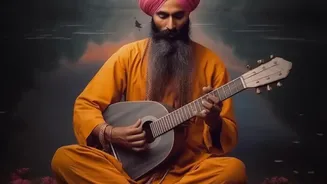
The heart of Amritsar, the Golden Temple, or Sri Harmandir Sahib, is a place of profound peace. While beautiful at any hour, visiting during the pre-dawn Amrit Vela (Hour of Nectar) or for the nightly Palki Sahib ceremony offers a truly spiritual experience.
The temple, floating in the holy sarovar, radiates a calm that transcends religion, welcoming all with open arms. The continuous recitation of Gurbani (hymns) provides a soothing soundtrack to this unforgettable encounter with faith and humility.
Serve and Eat at Guru Ka Langar
Within the Golden Temple complex lies the world's largest community kitchen, serving free meals to an estimated 100,000 people daily. Participating in the langar is a lesson in equality and selfless service. Sit on the floor alongside people from all walks of life and savour the simple, wholesome vegetarian meal. Better yet, volunteer to chop vegetables, wash dishes, or serve food. This act of 'seva' (service) embodies the core Sikh principle of oneness and is a powerful cultural immersion.
Feel the Energy at the Wagah Border
A short drive from the city, the Attari-Wagah border hosts a daily 'Beating Retreat' ceremony at sunset. It's a spectacle of organised theatricality, as soldiers from the Indian Border Security Force and Pakistan Rangers engage in a high-kicking, foot-stomping drill before lowering their respective flags. The atmosphere is electric, filled with patriotic songs and cheers from the packed stadiums on both sides, offering a unique glimpse into the complex relationship and shared heritage of the two nations.
Reflect on History at Jallianwala Bagh
A few steps from the Golden Temple is Jallianwala Bagh, a public garden that bears the scars of a tragic past. It is the site of the 1919 massacre where British troops fired upon a peaceful gathering. Today, it stands as a solemn memorial. The bullet marks preserved on the walls and the Martyrs' Well, where many jumped to their death, are powerful and sobering reminders of India's struggle for freedom, making a visit here a deeply moving historical lesson.
Understand the Pain of Partition
The Partition Museum, the world's first museum dedicated to the 1947 Partition of India, is an essential visit. Located in the historic Town Hall, it uses personal artefacts, oral histories from survivors, letters, and photographs to narrate the heart-wrenching story of the largest mass migration in human history. It's an emotionally impactful experience that provides crucial context for understanding the history and psyche of modern-day Punjab and the subcontinent.
Embark on a Culinary Food Trail
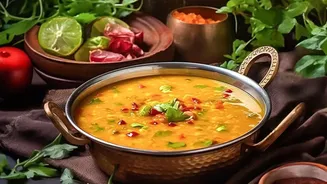
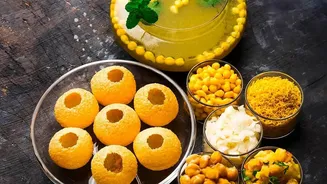
To understand Amritsar's culture is to taste its food. The city is a paradise for food lovers. Go on a street food tour and move beyond the obvious. Sample fluffy Amritsari kulchas straight from a tandoor, sip on a tall glass of creamy lassi from Ahuja Milk Bhandar, and try the legendary dal makhani at Kesar da Dhaba. Each bite tells a story of tradition and the city's love for rich, hearty flavours.
Get Lost in the Old City Bazaars
The narrow lanes of the old city around the Golden Temple are a sensory explosion. Explore Hall Bazaar, Kapda Bazaar, and Guru Bazaar, each teeming with life. Here you'll find everything from shimmering fabrics and traditional juttis (footwear) to aromatic spices and intricate jewellery. It's not just a shopping trip; it's a chance to witness daily life, engage with local artisans, and absorb the chaotic charm of a centuries-old marketplace.
Experience Rural Life on a Village Tour
Escape the city's hustle for a day and visit a traditional Punjabi village. Several tours offer an authentic glimpse into agrarian life. You can ride a tractor through mustard fields, try your hand at milking a cow, learn to cook on a traditional hearth, and share a home-cooked meal with a local family. This experience provides a heartfelt connection to the region's agricultural roots and renowned hospitality.
Discover the Art of Phulkari
Phulkari, meaning 'flower work', is Punjab's traditional embroidery, a riot of colour on fabric. This art form, traditionally practiced by women, is integral to Punjabi culture. Visit local markets like Katra Jaimal Singh Market or cultural villages like Sadda Pind to see artisans at work and purchase authentic Phulkari dupattas, jackets, or textiles. It's a way to take home a piece of Punjab's vibrant artistic heritage.
Witness the Sikh Martial Art of Gatka
Gatka is the traditional martial art of the Sikhs, a dynamic and skillful display of swordsmanship and stick-fighting. While performances can be seen during festivals like Holla Mohalla, you can also find demonstrations or workshops in the city. Watching the practitioners, or 'Nihangs', perform this graceful yet powerful art is a fascinating insight into the martial history and warrior spirit that is part of the Sikh heritage. In recent years, young prodigies from Amritsar have even gained international recognition for their skill.