


From Niche Drink to Household Name
Not long ago, matcha was a rare find on Indian menus, a specialty item in third-wave coffee shops in major metros like Delhi, which still leads in local searches. However, a significant shift is underway. According to Google Trends data from August 2026,
searches for “how to make matcha” have skyrocketed by 1,300% in India over the last year. General queries like “what is matcha” also rose by 50%, showing a foundational curiosity about this unique beverage. This growing interest suggests that matcha is transitioning from a niche café trend to a mainstream household staple, with consumers keen to understand it, use it, and make it a part of their daily wellness rituals.
What Exactly Is This Green Powder?
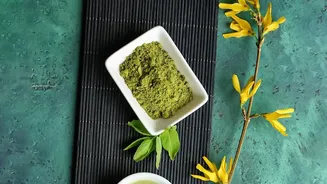
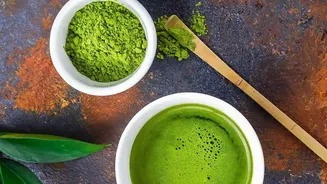
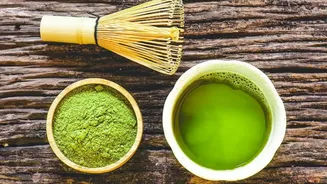
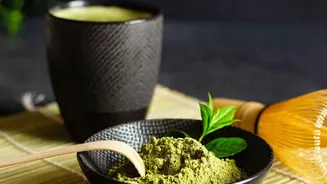
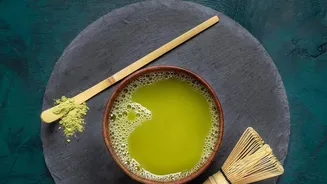
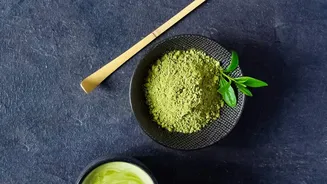
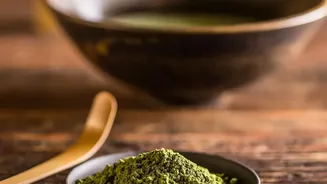
Unlike traditional green tea where you steep and discard the leaves, matcha is the whole tea leaf, stone-ground into a fine, silky powder. The tea plants are shaded for about three weeks before harvest, which boosts their chlorophyll and L-theanine content. This process gives matcha its brilliant green colour and its unique flavour profile, which is often described as umami-rich, grassy, and subtly sweet with a smooth finish. When you drink a bowl of matcha, you are consuming the entire leaf, which is why it's considered to be more concentrated in antioxidants and other beneficial compounds compared to its steeped counterpart.
The Wellness Factor Driving Curiosity
A major driver of matcha's popularity is its association with health and wellness. Search interest in “matcha health” has climbed 1,000% in India, while “matcha protein” has jumped by an astonishing 2,500%. Matcha is packed with antioxidants called catechins, particularly EGCG (epigallocatechin gallate), which are known for their anti-inflammatory properties and ability to protect cells from damage. It also contains L-theanine, an amino acid that promotes a state of 'calm alertness,' providing sustained energy without the jittery side effects often associated with coffee. This unique combination of benefits has made it a popular alternative for those looking to boost their focus and metabolism while managing stress.
Beyond the Cafe: Making It at Home
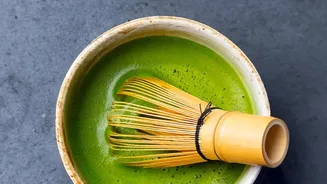
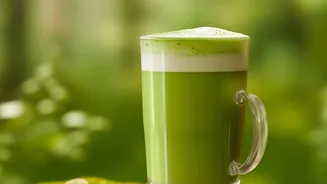
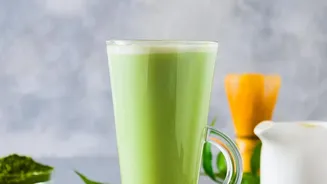
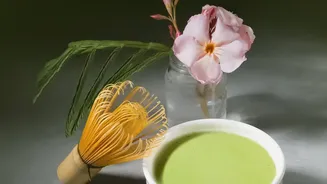
The rising searches for “matcha kit,” “matcha whisk,” and “matcha bowl” indicate that Indians are eager to recreate the experience at home. For beginners, the key is to understand the two main grades. Ceremonial grade is the highest quality, made from the youngest leaves, and is best for drinking on its own with just water. Culinary grade is more robust and slightly bitter, designed to be mixed into lattes, smoothies, and baked goods where its flavour needs to stand out against other ingredients. Preparing a simple matcha latte at home involves sifting the powder to remove clumps, whisking it into a paste with a small amount of hot water, and then topping it with steamed milk and a sweetener of choice.
An Indian Twist on a Japanese Classic
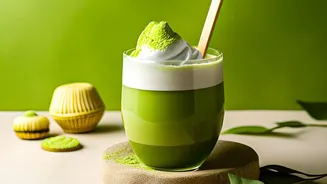
While traditional matcha preparation is a mindful ritual, its versatility is where it truly shines in modern kitchens. Indian consumers are already putting their own spin on the drink. Searches for “mango matcha” and “strawberry matcha” have surged by 200% and 400% respectively, showing a desire to blend the earthy tea with familiar fruit flavours. During the monsoon, interest in “dirty matcha” (a mix of matcha and coffee) and “coconut matcha” also saw breakout growth. The creativity doesn't stop at drinks, with innovative recipes emerging for everything from matcha-infused rasgulla tiramisu to matcha masala dosa tacos, proving this ancient ingredient has found a dynamic new home in the Indian palate.