



The dream of a lush garden is appealing, but the thought of starting can be daunting. What if there was a low-risk way to develop your green thumb? Growing kitchen herbs is the perfect entry point into the rewarding world of gardening.
More Than Just a Hobby
Before you even
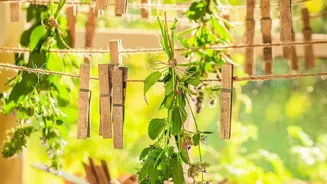
plant a single seed, it’s worth appreciating the immediate rewards of a herb garden. This isn't just practice for bigger projects; it's a lifestyle upgrade. Having fresh herbs on hand transforms your cooking, elevating everyday meals with incredible flavour that store-bought, dried alternatives simply can't match. Imagine snipping fresh coriander for a chutney or mint for a cup of tea. This convenience means you're more likely to cook at home and experiment with healthier, flavourful recipes, often reducing the need for extra salt or processed seasonings. Furthermore, the simple act of tending to your plants can be a calming daily ritual, offering a welcome break from screens and stress. You also save money and reduce waste by harvesting only what you need, when you need it.
Your Simple Starter Toolkit
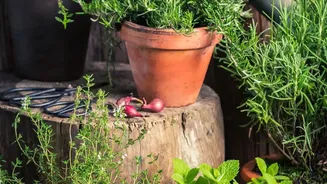
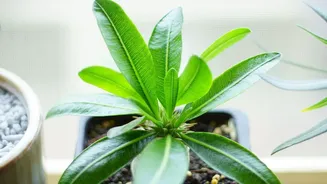
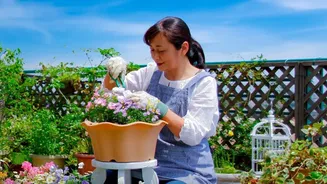
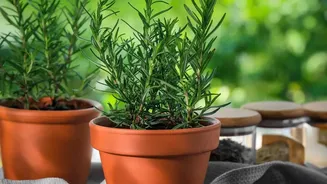
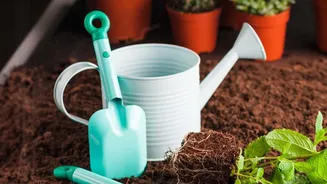
Getting started is less complicated and expensive than you might think. You don’t need a large yard; a sunny windowsill, balcony, or patio is perfectly sufficient. Your basic toolkit includes just a few items. First, choose your containers. Pots should be at least 6-8 inches in diameter and must have drainage holes at the bottom. Herbs despise having 'soggy feet', and proper drainage prevents root rot, one of the most common beginner mistakes. Second, you'll need the right soil. Don't use heavy garden dirt; opt for a light, well-draining potting mix specifically designed for containers. Finally, decide whether to start from seeds or small starter plants (seedlings). For absolute beginners, starting with established seedlings from a local nursery is often easier and provides a confidence boost.
Five Fail-Proof Herbs for Indian Kitchens
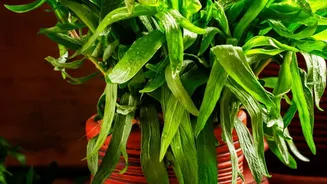
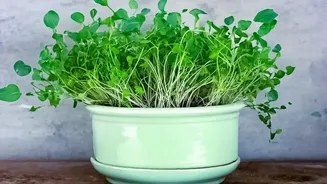
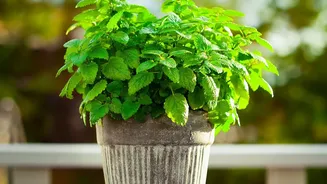
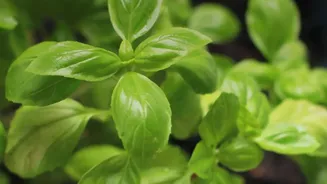
To set yourself up for success, start with herbs that are both easy to grow and frequently used in Indian cuisine. Here are five excellent choices: 1. Mint (Pudina): Incredibly robust, mint thrives in pots and can tolerate both sun and partial shade. Keep it in its own container, as it grows vigorously and can take over. Regular trimming encourages a bushier plant. 2. Coriander (Dhania): A staple in any Indian kitchen, coriander grows quickly. It prefers cooler weather and a spot with indirect light. Harvest the outer leaves regularly to prolong its life before it goes to seed. 3. Holy Basil (Tulsi): Revered for its medicinal properties and a common sight in Indian homes, Tulsi is a resilient and low-maintenance herb. It thrives in sunny spots and with regular watering. 4. Lemongrass: Perfect for adding a citrusy aroma to teas and curries, lemongrass loves full sun. It's also a natural mosquito repellent, making it a great addition to a balcony. 5. Curry Leaves (Kadi Patta): While it may start slow, a curry leaf plant is a long-term investment for any Indian cook. It needs full sun and a large pot to flourish over the years.
Caring for Your New Green Friends
The two most critical elements for herb care are sunlight and water. Most herbs need at least six hours of sunlight per day, so a south- or west-facing spot is ideal. If you see your plants becoming tall and spindly, it's a sign they need more light. When it comes to watering, the golden rule is to check the soil first. Water thoroughly only when the top inch of soil feels dry to the touch. Avoid watering on a fixed schedule, as this often leads to overwatering. Finally, don't be shy about harvesting. Regular snipping actually encourages the plant to become fuller and more productive, giving you a continuous supply of fresh flavours.