


The Protein Perspective
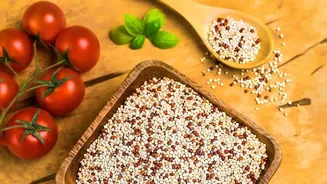
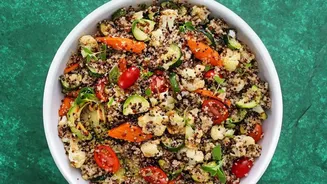
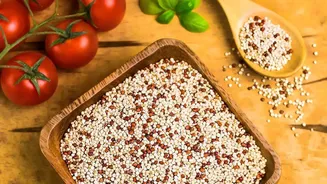
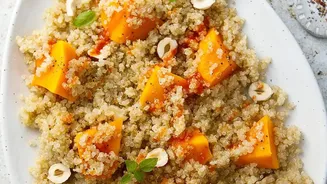
When it comes to protein, quinoa takes a clear lead. A 100-gram serving of uncooked quinoa provides about 14 grams of protein, while the same amount of ragi offers around 7 grams. More importantly, quinoa is a 'complete protein'. This means it contains
all nine essential amino acids that our bodies cannot produce on their own, making it an excellent option for vegetarians, vegans, and anyone looking to build or repair muscle tissue. Ragi's protein is also valuable but needs to be combined with other foods like lentils to provide a complete amino acid profile.
The Calcium Champion
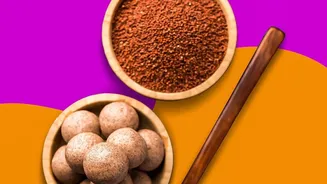
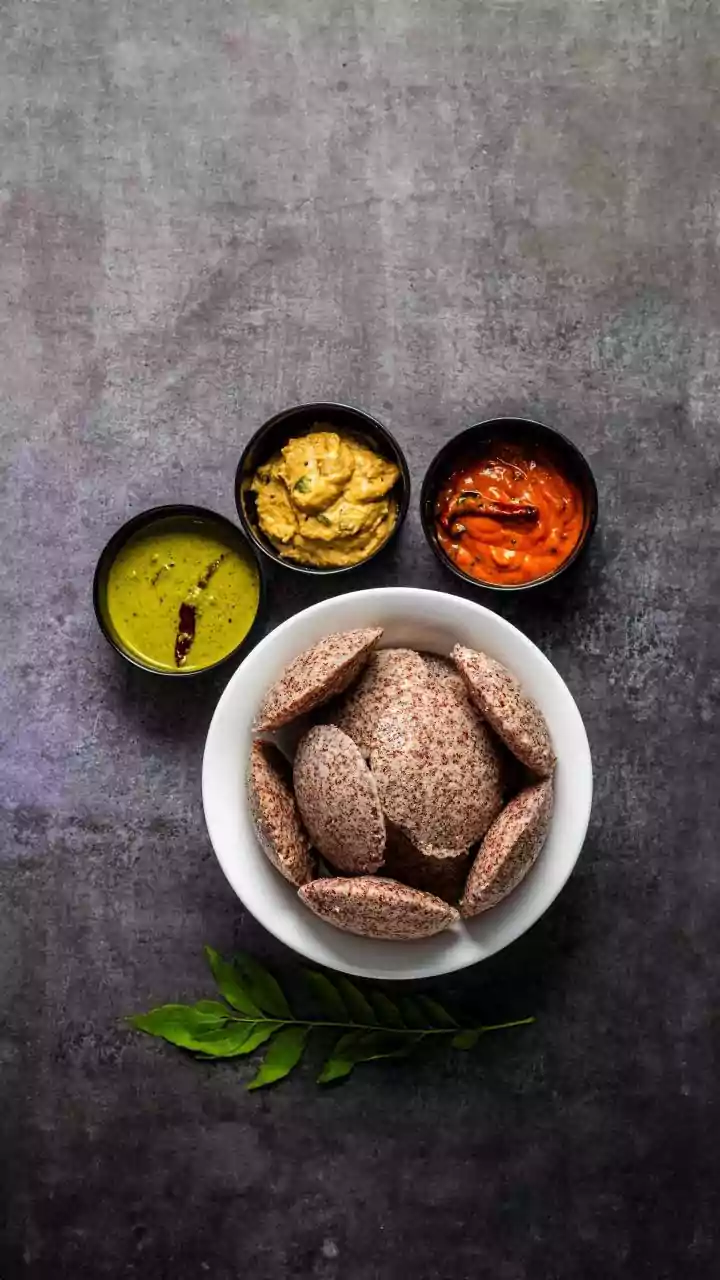
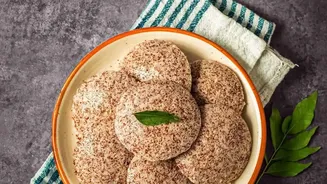
This is where ragi, or finger millet, truly shines and outclasses quinoa. Ragi is a powerhouse of calcium, containing approximately 344 mg per 100 grams. This is significantly higher than quinoa, which contains around 47 mg for the same amount. Ragi's exceptional calcium content makes it one of the best plant-based sources for this mineral, crucial for bone and teeth health. For growing children, ageing adults, and women, incorporating ragi can be a major step towards preventing osteoporosis and maintaining bone density.
Fibre and Digestive Health
Both grains are excellent sources of dietary fibre, which is essential for good digestion, managing blood sugar levels, and promoting a feeling of fullness that can aid in weight management. Ragi has a slight edge here, with some analyses showing it contains around 11 grams of fibre per 100 grams, compared to quinoa's 7 grams. This higher fibre content in ragi can be particularly beneficial for promoting regular bowel movements and supporting a healthy gut microbiome.
A Look at Key Minerals
Beyond calcium, the mineral profiles of these two grains present different strengths. Ragi is a notable source of iron, with about 3.9 mg per 100g, making it beneficial for preventing iron-deficiency anaemia. Quinoa also contains a good amount of iron, sometimes slightly more at around 4.6 mg. However, quinoa stands out for its high levels of magnesium and manganese. Magnesium is vital for muscle and nerve function, while manganese plays a role in metabolism and bone formation. Choosing between them might depend on which specific mineral you need to boost in your diet.
Carbohydrates and Energy Release
Both ragi and quinoa are good sources of complex carbohydrates, which provide sustained energy. Their calorie counts are quite similar, with uncooked quinoa at about 368 calories and ragi at 336 calories per 100g. An important factor is the glycemic index (GI), which measures how quickly a food raises blood sugar. Both grains generally have a low to medium GI, making them suitable for people managing blood sugar levels, including those with diabetes. Ragi, with a GI of around 54, is often highlighted for its ability to provide slow and steady energy release.
The Verdict: Which Grain Is for You?
There is no single winner in this nutritional face-off. The 'better' grain depends entirely on your personal health goals. If your priority is building muscle or ensuring you get a complete plant-based protein, quinoa is the superior choice. If you are focused on strengthening your bones, need a non-dairy calcium source, or want to boost your fibre intake, ragi is the undisputed champion. For those looking to manage iron levels, both are strong contenders. Quinoa's global popularity sometimes comes with a higher price tag, whereas ragi is often more affordable and a traditional part of Indian cuisine.