


The Double-Edged Sword of Melting Ice
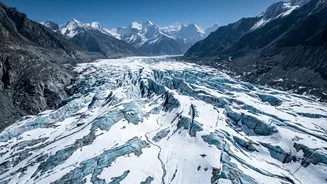
For decades, scientists have warned about the dangers of Glacial Lake Outburst Floods, or GLOFs. These occur when lakes, formed by melting glaciers and dammed by unstable walls of rock and ice, suddenly burst. The result is a terrifying torrent of water,
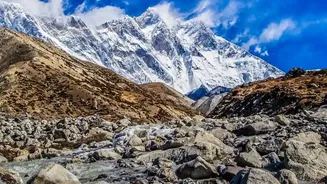
mud, and debris that can wipe out entire communities downstream. Nepal, with its steep terrain and thousands of glacial lakes, is on the front line of this hazard. Historically, the country has experienced dozens of GLOF events, which have destroyed villages, roads, and vital hydropower projects. The fundamental threat isn't new, but its character and intensity have changed dramatically.
Climate Change: The Great Accelerator
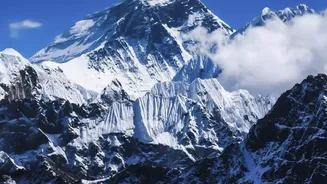
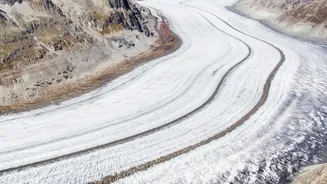
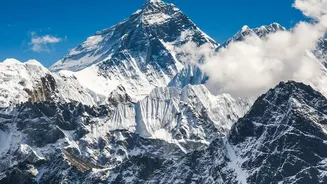
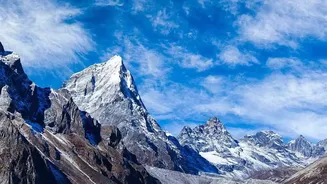
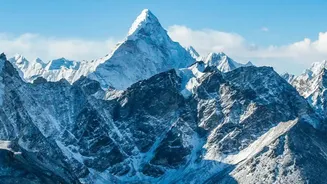
The primary driver of this change is accelerating climate change. The Himalayas are warming at a rate faster than the global average. According to a landmark 2026 report from the International Centre for Integrated Mountain Development (ICIMOD), the rate of glacier melt in the Hindu Kush Himalaya region has doubled since the year 2000. Between 1990 and 2020, the region’s glaciers lost about 12% of their total area. This isn't just a slow, steady retreat. The melting is creating more numerous and larger glacial lakes, with the UN identifying at least 21 in Nepal as potentially dangerous. This rapid expansion significantly increases the probability of a catastrophic dam failure.
A New, More Complex Threat
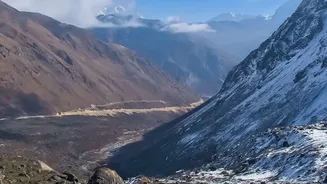
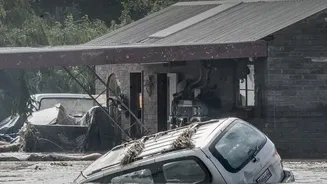
What has changed most recently is the understanding of the risk. It's no longer just about overflowing lakes. Scientists now see a more complex and unpredictable danger: cascading disasters. Recent catastrophic events, like the flash floods in August 2026, were not simple GLOFs but were triggered by a combination of factors. The culprit is often thawing permafrost—the permanently frozen ground that acts like glue, holding high-altitude mountain slopes together. As this 'cryospheric glue' warms and weakens, it makes entire rock faces with glaciers on top of them susceptible to collapse. An entire mountainside can give way, plunging into a river valley and creating a 'tsunami' of rock, ice, and water that travels at immense speed with almost no warning.
From Predictable Floods to Unforeseen Avalanches
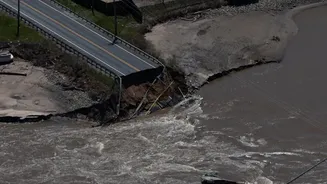
This new dynamic makes the threat much harder to predict. While monitoring glacial lakes for rising water levels is difficult, predicting a sudden rock-ice avalanche is nearly impossible with current technology. A recent devastating flood in Nepal's Rasuwa district, for example, was initially mistaken for an earthquake by seismic sensors because the landslide's impact was so massive. This shift from a relatively understandable GLOF risk to a complex, multi-hazard cascade involving thawing permafrost represents a significant and dangerous escalation. It means communities previously thought to be safe might now be in the path of a new, faster, and more destructive type of flood.
A Race Against a Melting Clock
In response, Nepal and its international partners are shifting their focus from purely reactive measures to proactive risk reduction. Efforts are underway to install more sophisticated early warning systems that can connect scientific data to communities on the ground through sirens and mobile alerts. Projects funded by organisations like the Green Climate Fund are attempting to lower the water levels in the most dangerous glacial lakes and build climate-resilient infrastructure. However, these efforts are hampered by the sheer scale of the challenge and a critical lack of data, with only a tiny fraction of the Himalayas' over 63,000 glaciers being adequately monitored. The recent disasters have served as a tragic wake-up call, with Nepal's government appealing for international support, arguing that the country is paying the price for a climate crisis it did little to create.