




Why More Salt Isn't the Answer
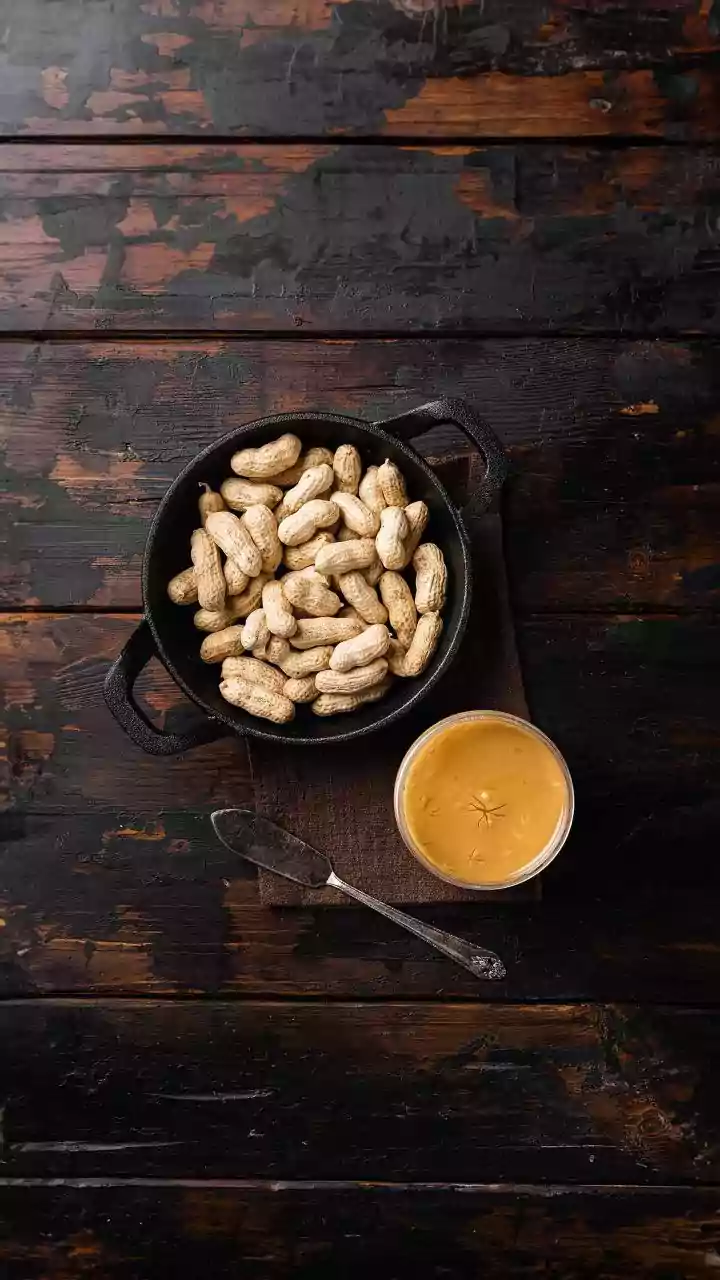
Tossing hot, oily peanuts with a handful of salt seems logical, but it’s often the source of disappointment. When you salt at the end, the seasoning only clings to the oily surface. This leads to an intense, salty hit that quickly gives way to a bland
interior. Furthermore, if the peanuts aren't perfectly cooked, this last-minute seasoning can’t fix a fundamental texture problem. A truly great salted peanut needs the seasoning to be part of its very structure, not just a surface-level coating. The goal is a deep, even flavour that complements the crunch, and that process starts long before the peanuts ever see the heat.
The Science of Crunch: Removing Moisture
The single biggest enemy of a crunchy peanut is moisture. Raw peanuts contain more water than you might think, which gives them a softer, chewier texture. Roasting is fundamentally a process of dehydration. As the peanut heats up, the water inside turns to steam and escapes, causing the nut's internal structure to become rigid and brittle. This is what creates that satisfying snap when you bite into it. If the heat is too low, the peanuts will slowly cook in their own oil and become greasy instead of crisp. If the heat is too high, they can burn on the outside before the moisture in the center has had a chance to evaporate. Mastering the crunch is all about mastering moisture removal.
The Brining Secret: Salting from the Inside Out
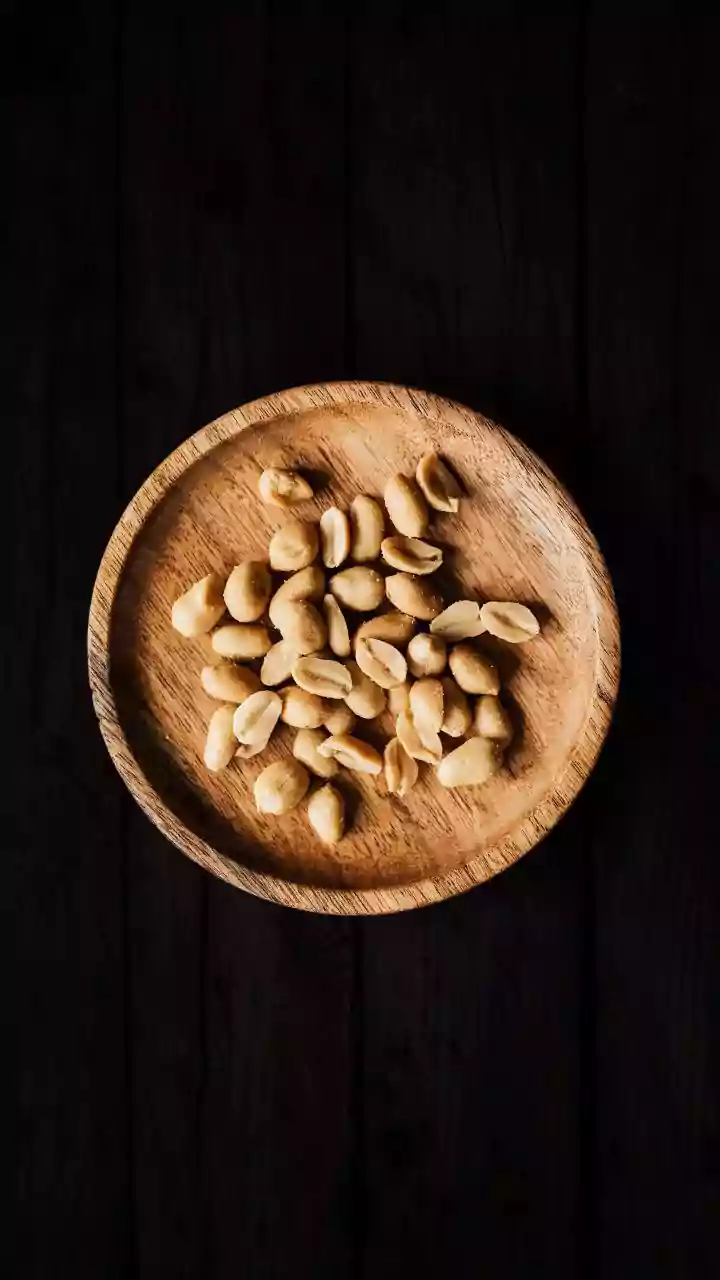
To season peanuts evenly, professionals use a technique common for flavouring proteins like turkey: brining. By soaking raw peanuts in a saltwater solution before roasting, you allow the salt to penetrate deep into the nut. This ensures every part of the peanut is seasoned, not just the outside. Recipes vary, but a common method involves soaking raw, shelled peanuts in salted water for anywhere from 10 minutes to several hours. After soaking, the peanuts must be thoroughly drained and dried before cooking. This step might seem counterintuitive—adding water to something you want to be dry—but the brining process perfectly seasons the nut while preparing it for the crucial dehydration stage in the oven or pan.
Temperature, the Deciding Factor
Once your peanuts are brined and dried, timing the cooking process is critical. Whether you're roasting in an oven or frying in a pan, temperature control is paramount. For oven roasting, a temperature of around 350°F (175°C) is a widely recommended starting point. At this heat, you should roast shelled peanuts for about 15 to 20 minutes, stirring them midway through to ensure they cook evenly. Some cooks prefer a two-stage approach, starting at a lower temperature to dry the nuts out before increasing the heat to achieve the final crunch. For pan-roasting, which can be done in hot salt or a small amount of oil, a consistent medium-low heat is key to prevent burning while driving out moisture.
The Final Transformation: Cooling
Perhaps the most overlooked step is what happens after the peanuts come out of the oven or pan. Peanuts continue to cook from residual heat after you remove them, and they actually become crisp as they cool. If you taste one straight from the baking sheet, it might still seem slightly soft or underdone. This is normal. To achieve that perfect, hard crunch, you must let them cool completely. For best results, spread them in a single layer on a cooling rack or baking sheet. This allows air to circulate freely, preventing them from steaming and ensuring they shed that final bit of moisture to become perfectly crisp. Storing them in an airtight container after they've fully cooled will preserve that crunch for days.