

Why Market Peanuts Are Superior
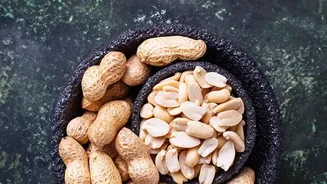
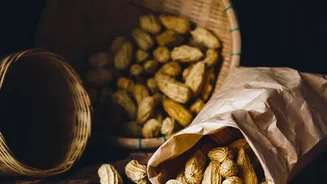
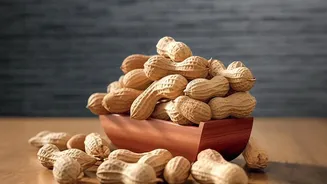
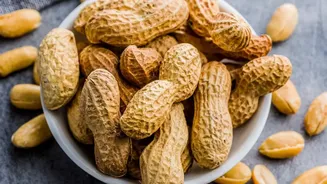
The magic of market-style peanuts, or 'moongfali', lies in the vendor's technique. They use a large kadai, often filled with sand or salt, which distributes low, even heat perfectly. This slow roasting process is key. It drives out moisture from the core
of the nut without burning the outside. Homemade attempts often fail due to impatience and high heat, which leads to a frustrating outcome: peanuts that are burnt on the outside but still soft and raw-tasting on the inside. The goal is not just to cook the peanut, but to dehydrate it into crunchy perfection.
The Pan-Roasting Method: Low and Slow
This is the most authentic way to replicate the market-style crunch at home. You will need a heavy-bottomed pan or kadai. Heat it over a low-to-medium flame. Add your raw peanuts in a single layer. The most crucial part of this process is to stir constantly. Do not walk away from the pan. Continuous movement ensures every peanut gets equal exposure to the heat, preventing burnt spots and ensuring an even roast. This will take longer than you think, perhaps 15-20 minutes. You're looking for a gradual change in colour and a fragrant, nutty aroma. Patience here is not just a virtue; it's a key ingredient.
The Oven Method: For Bigger Batches
If you're making a large batch, the oven offers a more hands-off, though equally effective, alternative. Preheat your oven to around 175°C (350°F). Spread the raw peanuts in a single, even layer on a baking sheet. Overcrowding the pan will steam the peanuts instead of roasting them, leading to a chewy texture. Roast for 15-25 minutes, but don't just set it and forget it. You should pull the tray out and give the peanuts a good stir every 5-7 minutes to promote even cooking. This mimics the constant motion of pan-roasting.
The Science of the Crunch: The Cool-Down
This is the most misunderstood step in the entire process. Peanuts taken directly from the pan or oven will not be crunchy. They may even feel slightly soft when you bite into one. This is normal. The real magic happens as they cool. Roasting brings the oils to the surface and drives out moisture. As the peanuts cool down, the fats solidify again and any remaining internal steam escapes, leaving behind a rigid, brittle structure. This is what creates that signature snap. So, after roasting, spread the peanuts on a plate or tray in a single layer and let them cool completely for at least 15-20 minutes before judging their texture.
Common Mistakes and How to Fix Them
The most common error is using heat that's too high, which scorches the skins before the inside can properly dry out. Another mistake is not stirring enough, resulting in unevenly cooked peanuts with dark and light spots. Finally, a critical error is storing the peanuts before they are completely cool. Sealing them in a container while still warm will trap steam, creating condensation that will undo all your hard work and leave you with soggy nuts. Always wait until they are at room temperature before transferring them to an airtight jar.