





The AI Travel Agent
Artificial intelligence is rapidly moving from a novelty to a necessary travel companion. In 2027, expect AI to become your go-to for planning, but with a twist. While a majority of travellers now use AI for initial research and itinerary building, the
real value is in personalization. These tools are no longer just finding the cheapest flight; they are crafting entire trip suggestions based on your past behaviour, budget, and real-time events. Research shows travellers are embracing AI for its ability to save time and offer tailored recommendations, with many using it for destination discovery and comparing options. However, trust remains a key factor. Most people still want the final say, especially when it comes to payments, preferring to use AI as a powerful research assistant rather than a fully autonomous booking agent.
Slow Travel and Deeper Connection
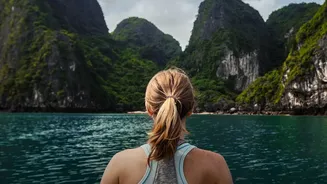
The era of the jam-packed, multi-city sprint is giving way to a more thoughtful approach: slow travel. In 2027, the focus is shifting from 'how much can I see?' to 'how deeply can I experience this place?'. This trend is a direct response to our hyper-connected, fast-paced lives, with travellers seeking to genuinely unplug and immerse themselves in a destination's local rhythm. It means longer stays in fewer locations, prioritizing local connections over crowded tourist hubs, and returning home feeling restored, not exhausted. This approach also champions more sustainable practices, as it often involves supporting local economies and reducing the carbon footprint associated with frantic travel schedules.
The Rise of 'Growth Getaways'
A vacation is no longer just an escape; it's an opportunity for personal growth. This trend, dubbed 'Growth Getaways', sees travellers prioritizing trips that offer more than just relaxation. People are looking for experiences that challenge them, provide a new perspective, and contribute to their personal development long after they've returned home. This can take many forms, from multigenerational trips designed to strengthen family bonds to solo travel focused on wellness and self-discovery. The core idea is that travel should be a catalyst for change, helping you reset, recharge, and recalibrate your life.
Wellness, Rewired
Wellness travel in 2027 is moving far beyond the spa. The new approach is about integrating well-being into the entire travel experience, not just booking a massage. Travellers are seeking environments that support rest and rejuvenation, from accommodations designed with natural light and air to destinations that offer a strong connection to nature. There's also a growing desire for measurable wellness outcomes, with a focus on improving sleep, fitness, and stress levels. This trend blends digital tools with analogue practices, as people look for experiences that calm the nervous system and help them disconnect in ways they can't at home.
Experience Over Everything
The demand for experiential travel continues to surge, with a clear preference for doing over just seeing. Travellers are increasingly spending on meaningful moments and authentic cultural immersion rather than material goods. This trend, sometimes called 'Merch Tourism,' can even involve planning trips around acquiring a specific, hyper-local souvenir. Culinary tourism is a huge part of this, with food and wine becoming a central reason to visit a destination. From cooking classes to local market tours, people want to engage with a culture through its cuisine. Overall, the goal is to create lasting memories and deeper connections, whether it's through adventure, cultural exchange, or personal passion.
The Micro-Travel Mindset
Not every trip has to be a grand two-week affair. The 'micro-travel mindset' is gaining traction, with travellers embracing shorter, more frequent getaways that are easier to plan and fit into a busy life. These trips, often just three or four days, are about maximizing a small window of time. As a result, travellers are prioritizing central locations with plenty to do nearby. This trend reflects a desire to let go of the 'perfect trip' and instead embrace more spontaneous and flexible opportunities for discovery and rest. It proves that even a small break can have a big impact on your well-being.