


The Science of a Shooting Star
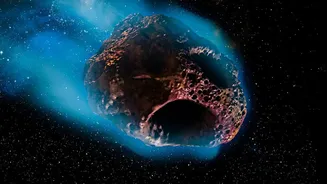
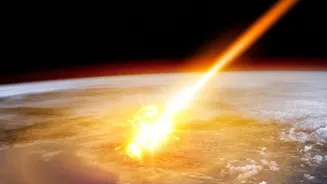
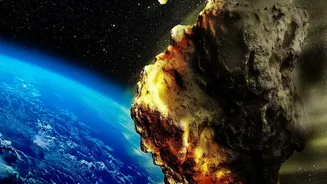
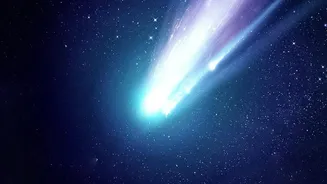
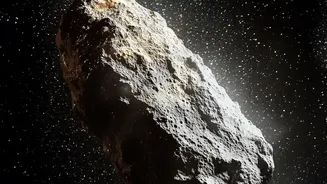
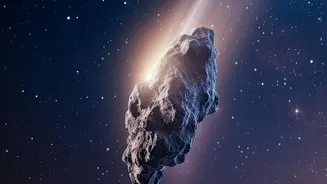
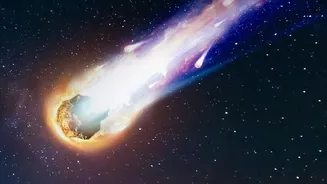
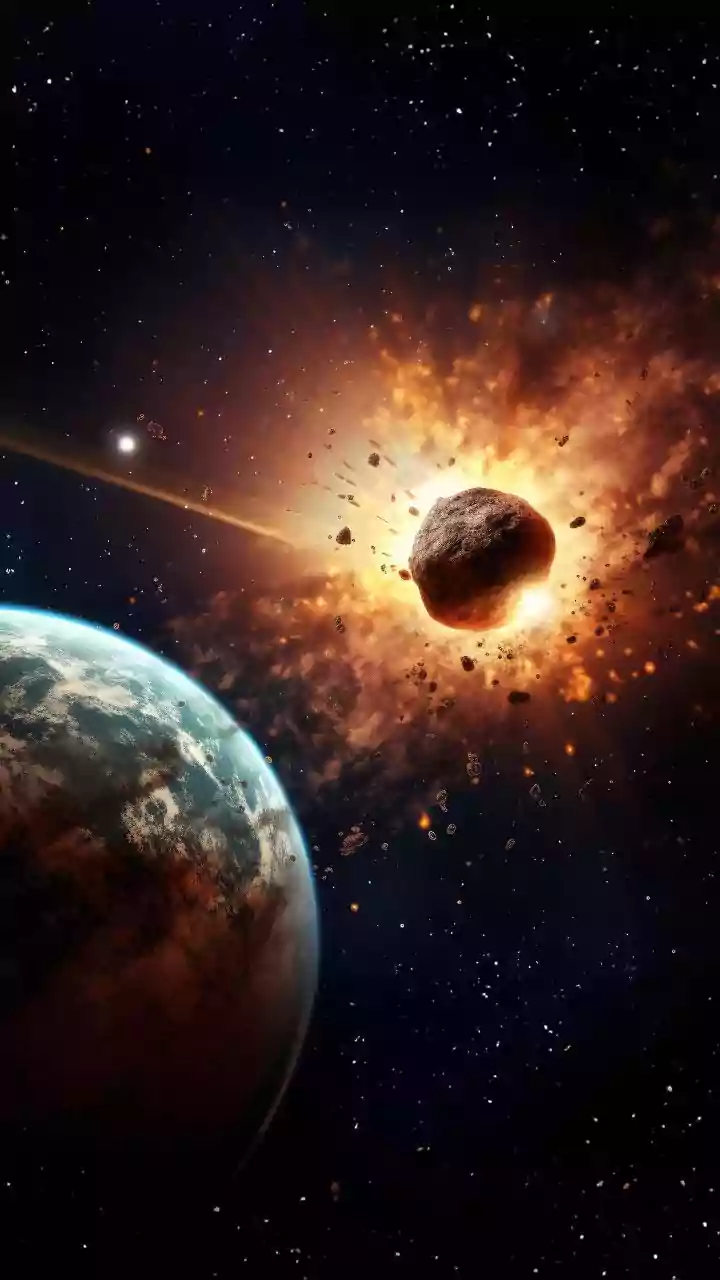
What we call a “shooting star” isn’t a star at all. It’s the visible phenomenon of a meteoroid—a small piece of an asteroid or comet—entering Earth’s atmosphere at incredible speed. The intense light we see is not from the rock burning like a piece of wood,
but rather from a process of extreme heating and compression of the air in front of it. This creates a pocket of superheated plasma around the particle as it vaporises. The glow comes from two primary sources: the chemical elements within the meteoroid itself and the gases in our atmosphere that it excites. Each element, when vaporised, releases light at a specific wavelength, painting a unique colour across the night sky, much like a chemical flame test in a science lab.
A Palette of Cosmic Elements
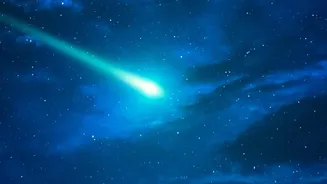
The colour of a meteor provides direct clues to its chemical composition. For instance, a bright orange-yellow flash is often the signature of sodium, while a more purely yellow hue points to the presence of iron, one of the most common elements in meteoroids. If you spot a streak of brilliant green or blue-green, you're likely witnessing a meteor rich in magnesium or nickel. Rarer and more striking colours like violet or purple can indicate a composition that includes calcium. The intensity and visibility of these colours depend on the meteoroid’s size, speed, and the specific mix of minerals it carries from its parent body, be it a comet like Swift-Tuttle for the Perseids or an asteroid like 3200 Phaethon for the Geminids.
The Atmosphere's Contribution
It’s not just the meteoroid’s elements that create the colourful display. Earth’s atmosphere plays a crucial role as well. As a meteoroid plummets, it energises the molecules of nitrogen and oxygen that make up most of the air around us. This interaction typically produces a reddish glow. The speed of the meteor determines which source of light dominates. Faster meteors tend to showcase the colours from their own vaporising elements more prominently. Slower meteors, on the other hand, give the atmospheric gases more time to glow, which can result in more noticeable red hues. In very bright meteors, known as fireballs, you might even see a lingering green afterglow caused by the excitation of neutral oxygen atoms in the air.
Seeing the Colours for Yourself
While professional cameras are excellent at capturing the full spectrum of a meteor’s journey, it is possible to spot these colours with the naked eye. The key is to find a viewing spot with as little light pollution as possible, as city lights can wash out the more subtle hues. Patience is essential; allow your eyes at least 20-30 minutes to fully adapt to the darkness. You don’t need a telescope or binoculars to see the initial streaks, as they can limit your field of view. However, binoculars can be useful for observing the persistent, glowing trails that brighter meteors sometimes leave behind. Annual meteor showers like the Perseids in August and the Geminids in December are famous for producing bright, colourful meteors, making them perfect opportunities for amateur skywatchers to test their new knowledge.