


Ditch the Calendar, Trust Your Fingers
The single most common mistake in caring for a potted lemon tree is watering it on a strict schedule. A "once-a-week" rule simply doesn't work because a plant's thirst changes constantly. The golden rule is to water only when the plant needs it. The most reliable
way to check is with the finger test. Insert your finger into the soil up to your second knuckle, about two inches deep. If the soil feels dry at that depth, it's time to water. If it feels moist, wait another day or two and check again. This simple habit prevents both drought stress and the far more dangerous problem of root rot from overwatering.
The Art of a Thorough Drink
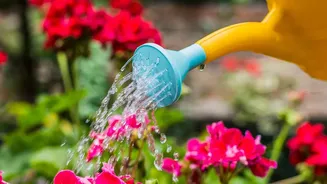
When it is time to water, do it deeply and thoroughly. Pour water evenly over the soil surface until you see it running freely from the drainage holes at the bottom of the pot. This ensures that the entire root ball is saturated. After a deep watering, it's crucial to allow the pot to drain completely. Never let your lemon tree sit in a saucer full of water, as this keeps the soil waterlogged and suffocates the roots, leading to root rot. The goal is a cycle of deep hydration followed by a period of drying out.
Context Is Everything: Key Watering Factors
How quickly your lemon tree's soil dries out depends on several variables. Potted trees dry out much faster than those planted in the ground. The pot's material matters, too; terracotta pots breathe and lose moisture faster than plastic ones. Location is paramount: a tree in a hot, sunny, or windy spot will need water far more frequently than one in a cooler, more sheltered area. Finally, the season plays a huge role. During the active growing season of spring and summer, your tree will be much thirstier than in the cooler, dormant months of autumn and winter, when you should reduce watering frequency significantly.
The Right Foundation: Soil and Drainage
Proper watering is impossible without the right soil. Citrus trees demand excellent drainage. Standard garden soil is too heavy for containers. Instead, use a high-quality, lightweight potting mix specifically formulated for citrus or cacti, which often contain ingredients like peat moss, perlite, or orchid bark. This type of mix retains some moisture but allows excess water to drain away quickly, providing the roots with the oxygen they need to breathe between waterings. Ensure your chosen pot has multiple, large drainage holes. Some experts even recommend elevating the pot slightly on bricks or pot feet to ensure drainage is never obstructed.
Listen to the Leaves: Signs of Distress
Your lemon tree will give you visual cues if its water situation is wrong. Confusingly, both overwatering and underwatering can cause yellowing leaves. However, there are subtle differences. Underwatered leaves often wilt, curl, and feel dry or crispy before they fall. Overwatering is often indicated by yellow leaves that are still soft, and in severe cases, the tips of the branches may turn black. Observing the leaves in combination with checking the soil moisture is the best way to diagnose the problem. If the soil is soggy and leaves are yellow, you are overwatering. If the soil is bone dry and leaves are wilting, the tree is thirsty.