






The AI Power Paradox
The magic of AI, from generating images to powering complex business analytics, comes at a steep energy cost. The massive data centers that train and run these models are packed with thousands of power-hungry servers that run 24/7. According to the Electric
Power Research Institute, data centers could consume up to 9% of all electricity generated in the U.S. by 2030, a significant jump from 4% in 2023. This surge in demand, driven largely by AI, is reversing a years-long trend of flat electricity use. It’s not just about keeping the lights on; these servers generate immense heat, requiring even more energy for constant cooling, often with a significant water footprint. This creates a paradox: a technology designed to propel the future is demanding power in ways that could challenge our climate goals.
New York's Green Gauntlet
Enter New York, a state that has positioned itself as a national leader on climate action. Its landmark 2019 Climate Leadership and Community Protection Act (CLCPA) sets some of the most ambitious environmental targets in the world. The law mandates a 100% zero-emission electricity grid by 2040 and an 85% reduction in statewide greenhouse gas emissions by 2050. These aren't just suggestions; they are legally binding requirements that influence every major infrastructure decision. As a result, any new project that proposes to be a massive energy consumer, like a hyperscale data center, faces intense scrutiny from state regulators like the Public Service Commission and the Department of Environmental Conservation. The state is legally obligated to consider whether a new facility aligns with its climate mandates, turning the approval process into a green gauntlet.
A Moratorium on a Collision Course
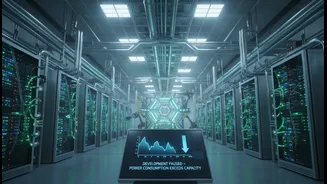
The tension between AI's growth and New York's climate goals came to a head in July 2026. Governor Kathy Hochul signed an executive order imposing a one-year statewide moratorium on permits for new large-scale or 'hyperscale' data centers. Citing concerns about the strain on the energy grid, potential utility bill hikes for residents, and environmental impacts, the state has paused development to create a regulatory framework. With applications for dozens of new data centers pending, the move signals that the era of building massive, power-intensive facilities without a clear climate and community plan is over. The state's research will examine everything from energy and water consumption to noise pollution, with the goal of establishing some of the strongest standards in the nation for data center development.
The Path to Approval: Cleaner Strategies
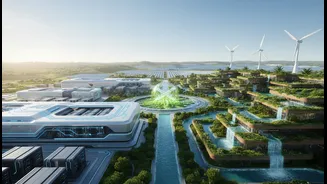
For AI companies, the message is clear: business as usual won't work in New York. To win approvals in the future, they will need to present robust, clean power strategies. This doesn't just mean buying offsets. The solutions will likely involve a portfolio of approaches. Companies may be required to fund their own renewable energy generation, such as large-scale solar or wind projects, to match their consumption. Other strategies include signing long-term Power Purchase Agreements (PPAs) with clean energy providers, investing in next-generation technologies like advanced geothermal energy, or deploying on-site battery storage to help balance the grid. The state is also pushing for data centers to pay their fair share for grid upgrades and contribute to community benefit programs. Ultimately, companies that integrate energy innovation into their business plans—from advanced cooling to waste heat recycling—will have a significant advantage.