


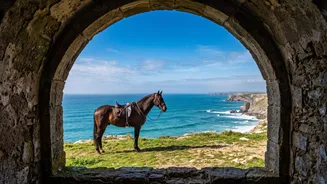
Beyond the Bustling Coast
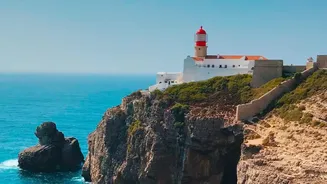
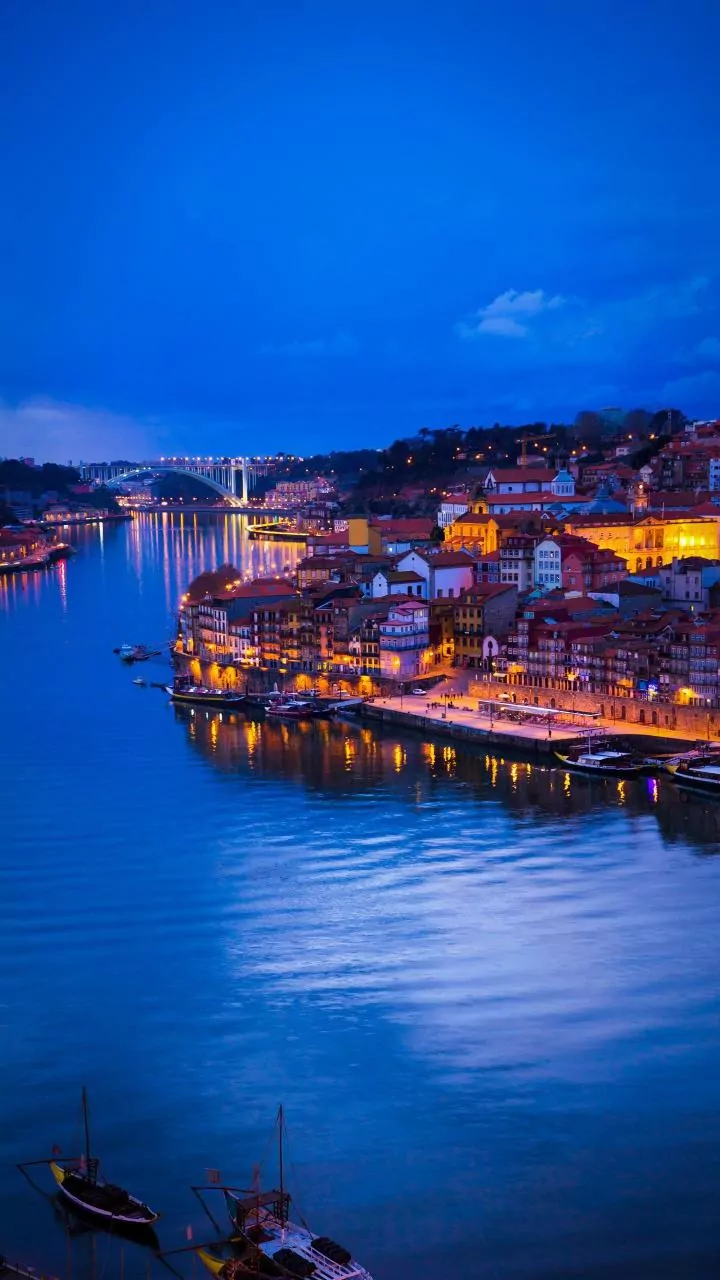
While Lisbon's vibrant streets and the Algarve's golden beaches are well-known, Portugal’s true charm for the slow traveler lies inland. Regions like the Alentejo, with its rolling plains dotted with cork oaks, and the Douro Valley, where vineyards carve
dramatic terraces into the hillsides, offer a different kind of beauty. These areas are less about rushing between sights and more about immersing yourself in a landscape that has been shaped by nature and centuries of tradition. The pace is dictated by the sun, the seasons, and a cultural mindset that values taking one's time.
A Landscape That Invites Wandering
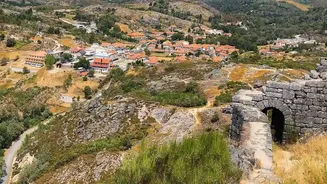
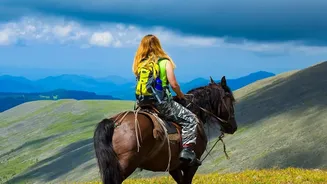
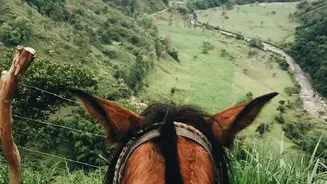
The Portuguese countryside was made for meandering. Whether you're driving the historic National Road 2, which stretches the length of the country, or exploring the signposted hiking trails of the Peneda-Gerês National Park, the journey itself is the destination. Extensive trail networks like the Rota Vicentina along the Alentejo coast or the paths through the schist villages in Central Portugal invite exploration on foot or by bike. This mode of travel allows for spontaneous stops—a deserted river beach, a local market, or a viewpoint that demands a moment of quiet appreciation—that are the essence of scenic, slow-paced discovery.
Accommodations That Are Destinations
A key element encouraging slow travel in Portugal is its unique accommodation. The country has a rich network of 'Turismo Rural' and 'Agroturismo' properties, which range from rustic farmhouses to elegant country estates. Staying in one of these properties often means enjoying home-cooked meals made with local produce, lounging by a pool set amidst olive groves, and getting tips from owners who are deeply connected to their region. Additionally, the 'Pousadas de Portugal' network has transformed historic buildings like castles, monasteries, and convents into luxury hotels. These establishments allow you to literally sleep inside Portugal's history, providing an experience far richer than a standard hotel stay.
A Culture of 'Vagar'
The Alentejo region's successful bid to have Évora named a European Capital of Culture was based on the concept of 'Vagar', a Portuguese philosophy of enjoying life at a slow, deliberate pace. This mindset permeates the countryside. It’s visible in the long lunches that are a daily ritual, the local festivals that celebrate age-old traditions, and the general unhurried nature of the people. This cultural disposition is a natural fit for the slow travel movement, which itself grew out of the Slow Food philosophy of valuing quality, tradition, and connection. Engaging with this rhythm means you’re not just seeing Portugal; you're experiencing it in a more authentic and meaningful way.
A Feast for the Senses
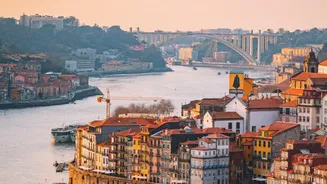
Slow travel and slow food are natural partners. Portugal’s countryside is a culinary treasure trove, where each region has its own specialties based on the bounty of the land. In the Douro, it's about tasting port wine at the 'quintas' (wine estates) where it is produced. In the Alentejo, it’s about savoring dishes made with black pork, fresh-pressed olive oil, and artisan bread. This connection between landscape and plate encourages a deeper appreciation for the food you eat. Taking the time to visit a local market, participate in an olive oil tasting, or simply enjoy a meal made with ingredients from the farm you're staying on is a profoundly rewarding travel experience that can’t be rushed.