
A Lifeline of the British Raj
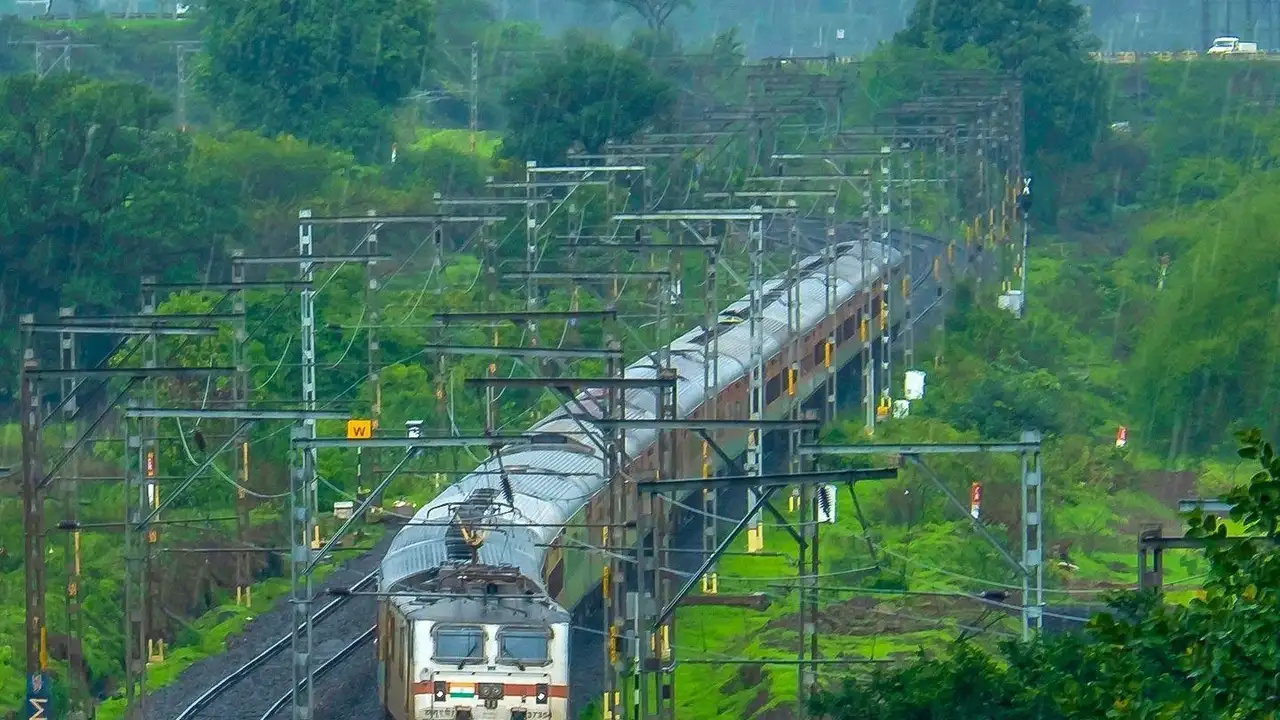
Before it was a border, the railway line through Attari was a vital artery of commerce and travel in undivided Punjab. The Amritsar-Attari section was completed in 1862, part of the broader effort to connect Lahore with Multan and Amritsar. This line,
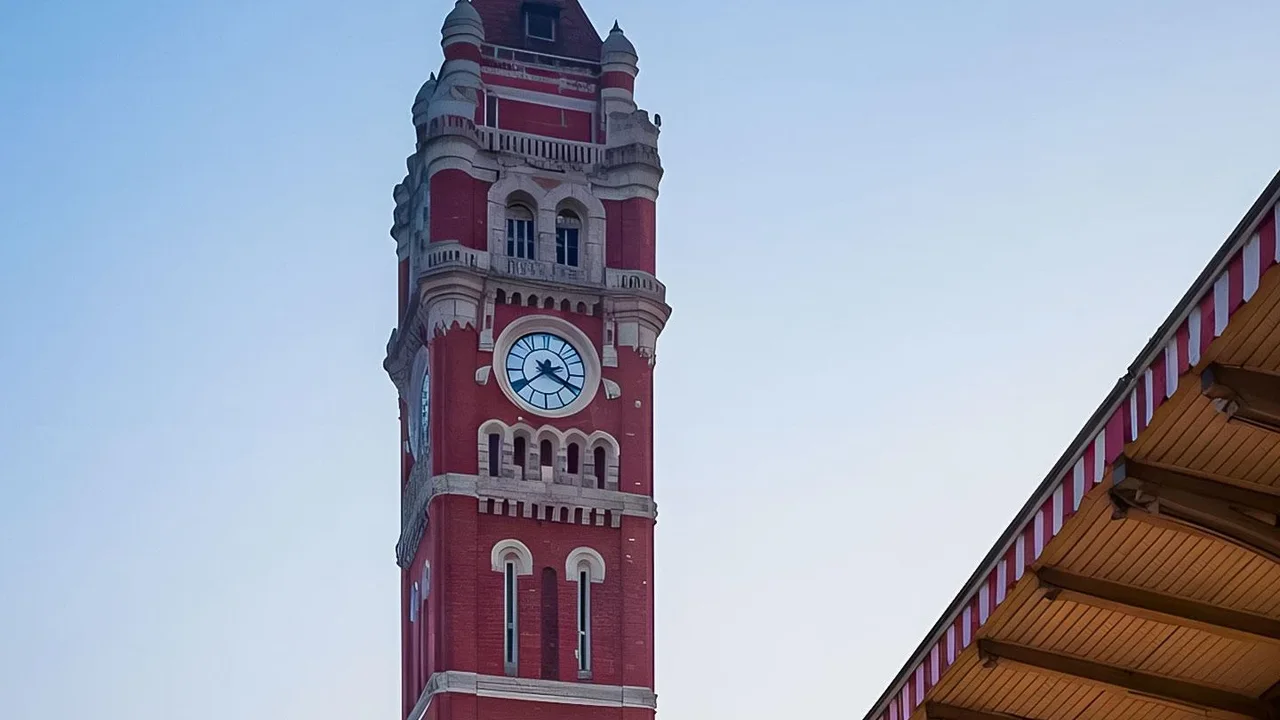
a classic example of British Indian railway engineering, transformed the region into a logistics hub. Attari station, with its blend of utilitarian design and decorative flourishes, became the last major stop before Lahore, stimulating trade and cementing its place in the region's economic growth. It was a symbol of a connected, bustling province, an era that would come to an abrupt and violent end.
The Scars of Partition
In 1947, Attari station was transformed overnight from an internal transit point into a border outpost on a newly drawn, bloody line. The railway became an unexpected frontline of the Partition. The station and the tracks leading to it bore witness to immense human suffering, as trains packed with refugees moved in both directions. So-called 'ghost trains' arrived carrying the victims of communal violence, silent monuments to the brutal division of a land and its people. The station that had once facilitated unity now stood as a stark, sorrowful gateway, marking the end of one nation and the birth of two.
The Samjhauta Express: A Bridge of Peace
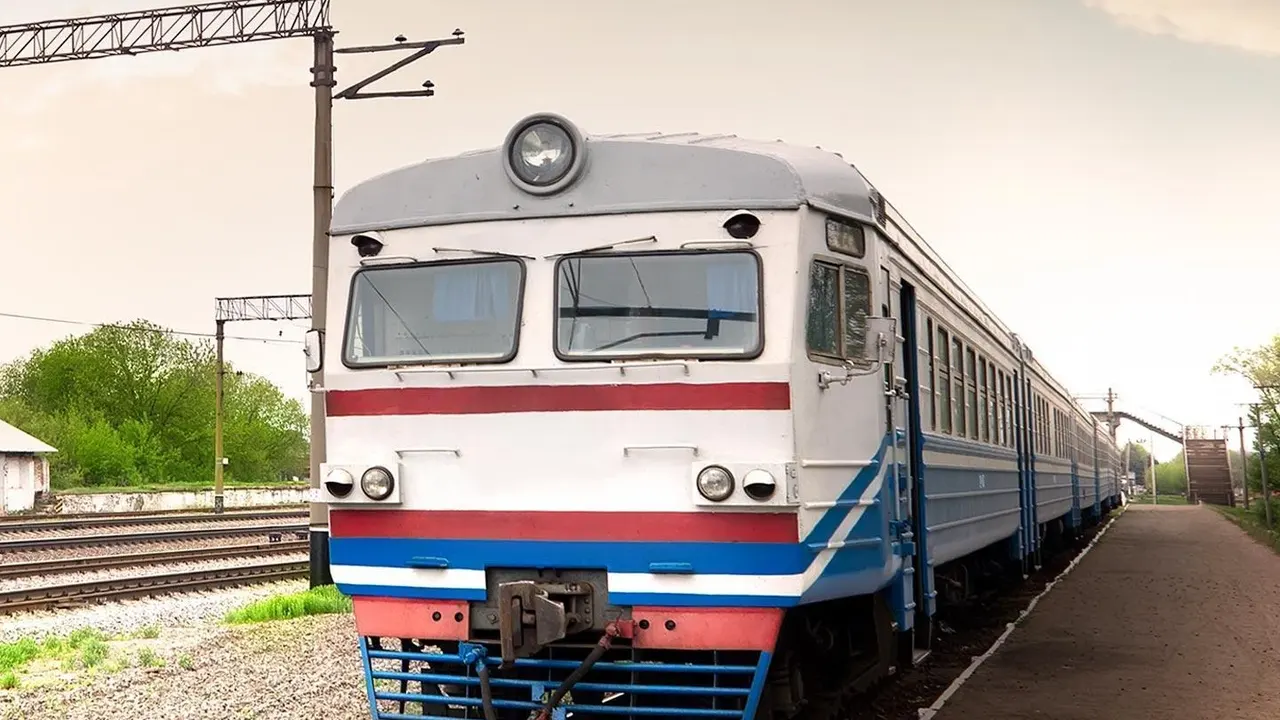
Decades later, in a bid to mend ties, the rails were revived for a new purpose. Following the Simla Agreement, the Samjhauta Express—the 'Agreement Express'—began its journey on July 22, 1976, running between Amritsar and Lahore. This peace train was a powerful symbol, reuniting families and offering a glimmer of hope. For security reasons, the service was eventually terminated at Attari, where customs and immigration checks took place. From there, passengers would cross the short 3-km distance to Wagah in Pakistan. The service was not without peril; it was suspended multiple times due to political tensions and tragically targeted in a terrorist bombing in 2007.
A Station Frozen in Time
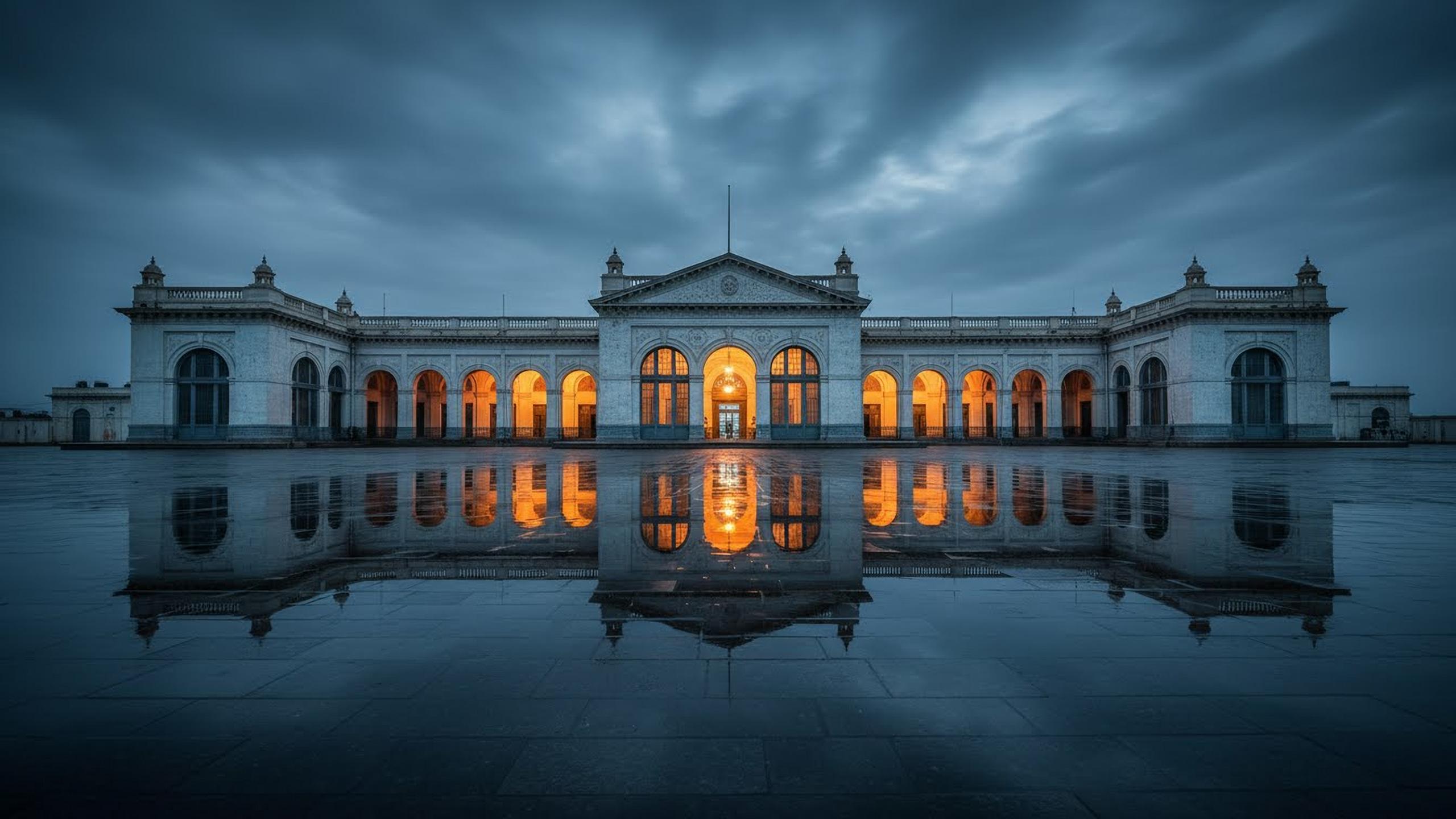
The final whistle for the Samjhauta Express blew in August 2019. Pakistan suspended the service following India's revocation of Article 370 in Jammu and Kashmir. This followed an earlier suspension by India the same year due to a sharp decline in passengers after the Pulwama terror attack. Today, the passenger platforms of Attari station are mostly silent and deserted. The Indian rake of the train remains parked in Pakistan, and the Pakistani rake in India, a physical manifestation of the diplomatic stalemate. The once-bustling station, which in 2015 was renamed in honour of Sikh general Sham Singh Attariwala, now serves as a quiet reminder of a connection that was, but is no longer.
More Than Just Passenger Rails
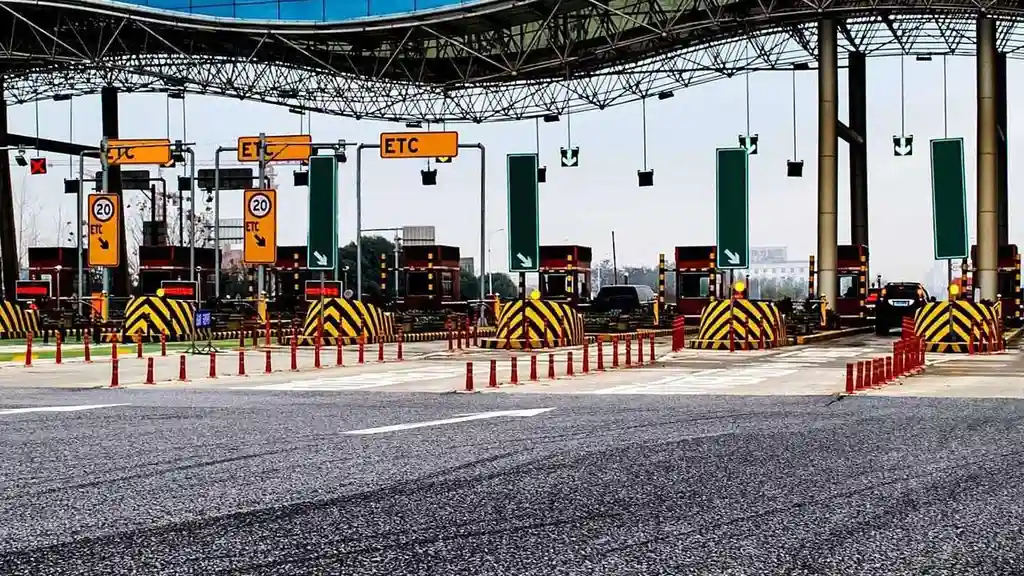
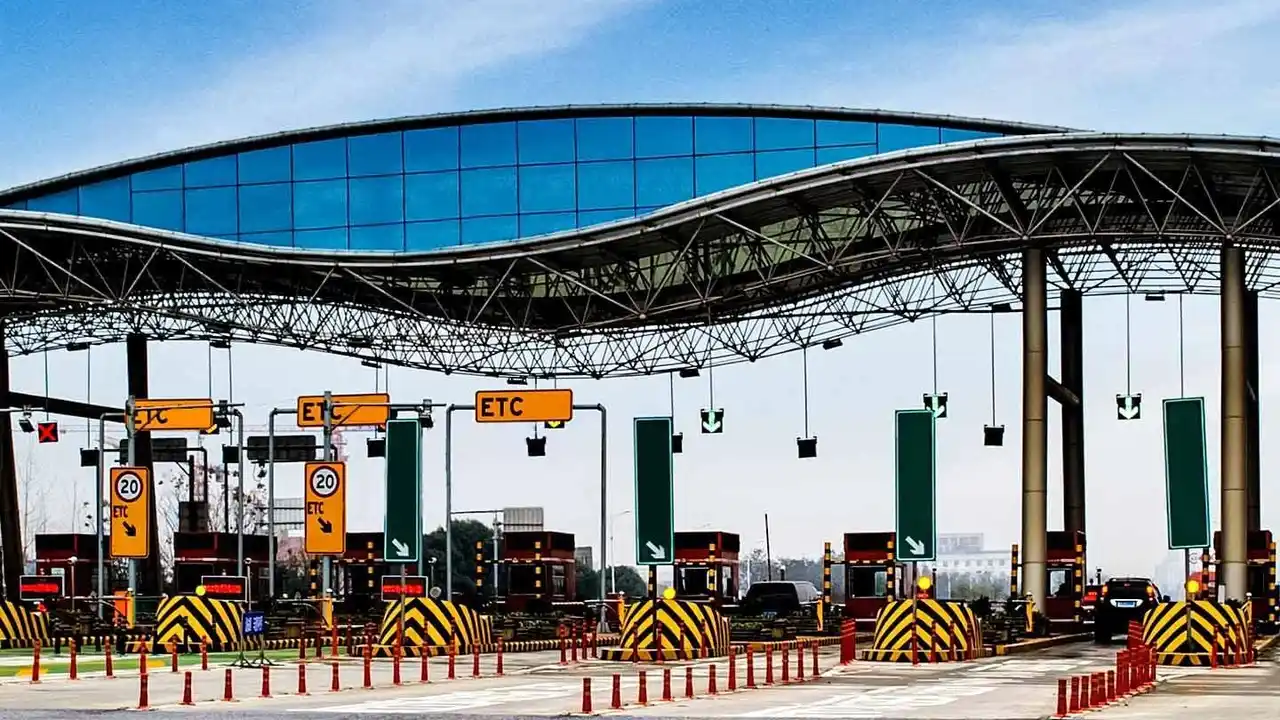
While the passenger trains have stopped, Attari's role as a major trade gateway has continued, albeit with its own set of interruptions. The Integrated Check Post (ICP) at Attari, inaugurated in 2012, was built to handle a significant volume of truck-based trade between India and Pakistan. It also serves as a crucial transit route for goods from Afghanistan to India. However, this trade has been highly susceptible to political instability, with significant downturns following the 2019 Pulwama attack and other security incidents. Recent reports from 2025 and 2026 indicate further suspensions of trade at the ICP, impacting local economies in Punjab that depend on cross-border commerce. As of August 2026, the Attari border has been added as an entry point for e-visa holders, though this does not apply to Pakistani passport holders.