





The Myth of Muscle Soreness
In the world of fitness, delayed onset muscle soreness (DOMS) is often seen as the ultimate sign of a successful workout. It's that familiar, tender ache that sets in 24 to 72 hours after you’ve pushed your body. Many people wear this soreness like a trophy,
believing it’s direct proof that their muscles are growing and they’ve worked hard enough. This mindset leads to a common mistake: if a workout doesn’t result in soreness, it must not have been effective, and therefore, it should be repeated sooner than planned. This belief is so pervasive that some feel their workout was a waste if they can comfortably walk down the stairs the next day. But equating soreness with progress is a long-standing fitness myth that can do more harm than good.
What Really Causes That Ache?
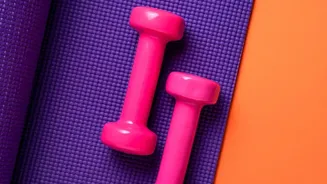
To understand why soreness is a poor measure of success, we need to know what it is. DOMS is caused by microscopic tears in your muscle fibres, particularly after you’ve performed an exercise that's new to your body or more strenuous than usual. Eccentric movements, which involve lengthening a muscle under tension—like lowering a dumbbell in a bicep curl or running downhill—are notorious for causing these micro-tears. Your body responds to this damage with inflammation, which is part of the repair process that ultimately makes the muscle stronger. However, this response is strongest when the stimulus is novel. As your body adapts to a particular exercise, it becomes more efficient at handling the stress, and you'll experience less soreness over time, even if the workout remains challenging and effective.
Better Signs of an Effective Workout
If soreness isn't the goal, what should you be tracking? The gold standard for progress in strength and fitness is the principle of progressive overload. This means you are gradually increasing the demands on your body over time. Instead of chasing a feeling, focus on measurable improvements. Are you able to lift slightly more weight than you did last month? Can you complete more repetitions or sets with good form? Maybe your rest periods between sets are getting shorter, or you simply feel stronger and have more energy during your workouts and daily life. These are the true indicators that your body is adapting and growing stronger. A productive workout is one that moves you closer to your quantifiable goals, not one that just leaves you aching.
The Dangers of Chasing Soreness
Repeating a workout too soon just because you don't feel sore can be counterproductive and even dangerous. Your muscles don't get stronger during the workout itself; they grow during the recovery period that follows. By not allowing adequate rest, you interrupt this crucial repair and adaptation process. This can lead to overtraining syndrome, a state where your performance declines despite your efforts. Signs of overtraining include persistent fatigue, decreased strength, mood disturbances, poor sleep, and a weakened immune system. Furthermore, constantly pushing your body without enough recovery significantly increases your risk of injury, from muscle strains to more serious issues. Remember, rest and recovery are just as important as the training itself.