




What is the Sirpur Cultural Landscape?
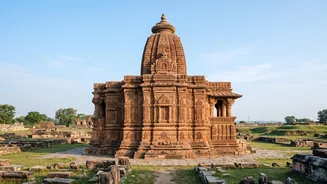
Sirpur, historically known as Shripur or 'the city of abundance', is an archaeological marvel located in the Mahasamund district of Chhattisgarh, about 78 kilometres from Raipur. It’s not just a single monument but a sprawling landscape of temples, monasteries,
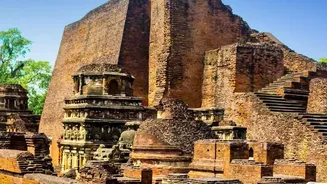
and urban structures dating from the 5th to the 12th centuries CE. What makes Sirpur truly exceptional is the peaceful coexistence of Hindu, Buddhist, and Jain traditions within a single, shared settlement. The site contains the remains of 22 Shiva temples, five Vishnu temples, 10 Buddhist viharas (monasteries), and three Jain viharas, offering a rare glimpse into a period of remarkable religious harmony.
A Historical Crossroads of Faiths
Sirpur rose to prominence as the capital of the Dakshina Kosala (South Kosala) kingdom, flourishing under the patronage of dynasties like the Sharabhapuriyas and, most notably, the Panduvamshis in the 7th century CE. The reign of the Panduvamshi king Mahashivagupta Balarjuna is considered Sirpur's golden age. Although a devout Shaivite himself, Balarjuna was a generous patron of Buddhist monasteries, a fact that highlights the region's spirit of tolerance. The famous 7th-century Chinese traveler Xuanzang (also known as Hiuen Tsang) visited Sirpur and documented its prosperity and the strength of its Buddhist community, noting the presence of about 10,000 Mahayana monks living in over 100 monasteries.
The Journey to UNESCO Recognition
Becoming a World Heritage Site is a multi-step process. The first crucial step is inclusion in a country's Tentative List. In September 2026, India's Permanent Delegation to UNESCO formally submitted the proposal for the 'Sirpur Cultural and Archaeological Landscape'. This was successful, and Sirpur is now officially on UNESCO's Tentative List. This inclusion acknowledges that the site has outstanding universal value. The nomination highlights two key UNESCO criteria: its role in the exchange of human values in architecture and town planning, and as an outstanding example of a landscape illustrating significant stages in human history. The core zone proposed for nomination includes nine key sites, such as the famous brick-built Lakshmana Temple, the Anandaprabhu Kuti Vihara, and the royal palace complex.
Key Architectural Marvels
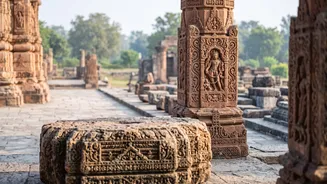
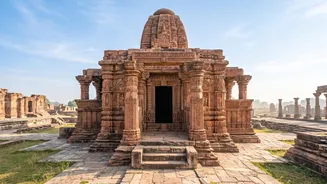
Among Sirpur's many treasures, the Lakshmana Temple stands out. Dating to the 7th century, it is considered one of India's oldest and best-preserved brick temples. Another significant structure is the Teevardev monastery, a large complex that housed a monolithic statue of Avalokiteshvara. The city's builders also made unique use of local stromatolite rocks—fossilised microbial reefs—which give the ancient structures a distinctive texture. Excavations, which began in earnest in the 1950s and have continued since, have unearthed thousands of artifacts, including bronze sculptures, coins, and even a goldsmith's complete toolset, painting a vivid picture of a bustling commercial and artistic hub.
What Recognition Would Mean for Sirpur
Achieving full World Heritage status would be a monumental achievement for Chhattisgarh and India. This global recognition would not only boost tourism but also unlock international support and expertise for the site's ongoing conservation and research. For centuries, Sirpur was a melting pot of cultures and a beacon of religious syncretism. Its placement on the Tentative List is the first step in ensuring this incredible legacy is preserved and celebrated globally. The journey from a 'lost' city swallowed by jungle to a potential World Heritage Site is a testament to its enduring historical and cultural significance, promising to bring its story of harmony and architectural genius to a worldwide audience.